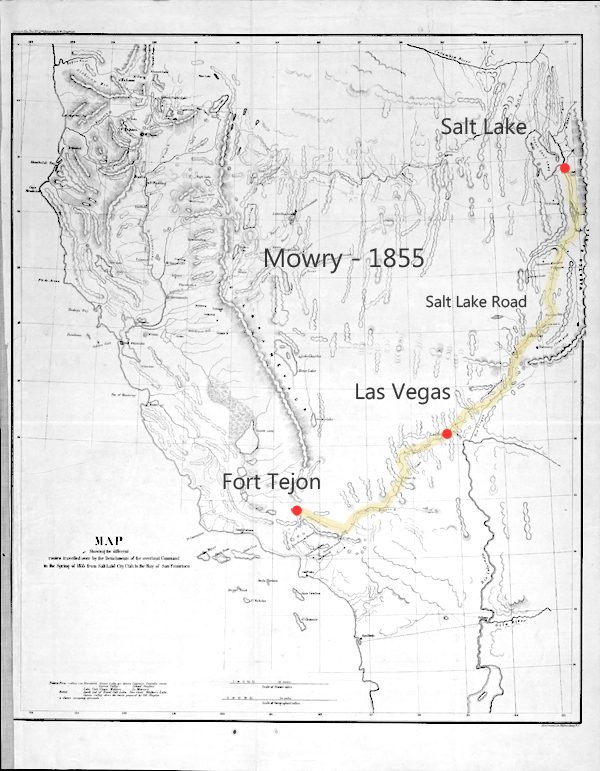
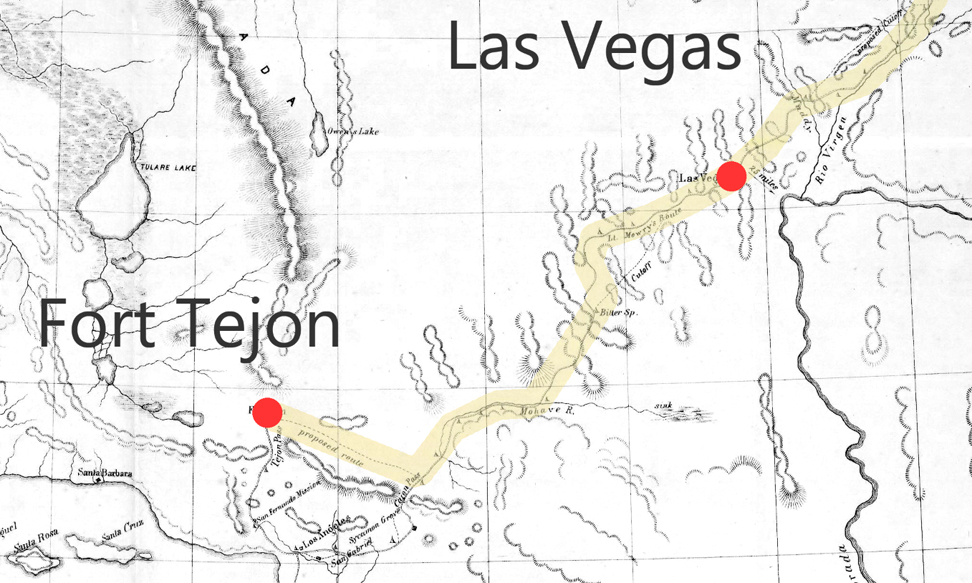
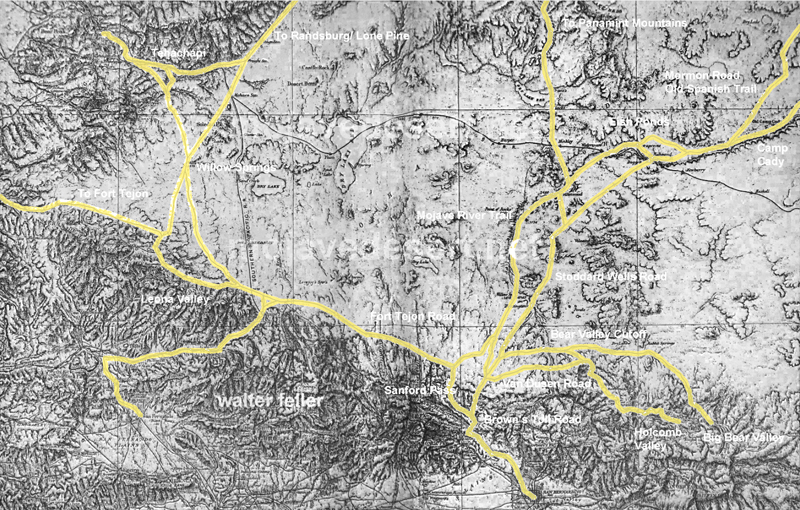
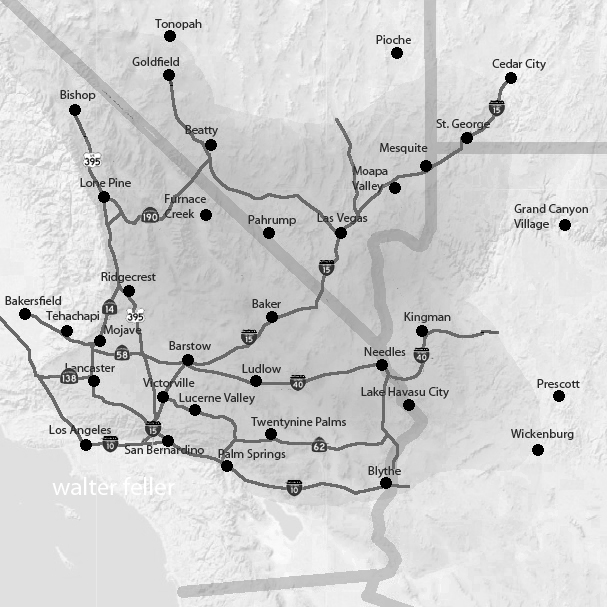
In 1855, Lt. Sylvester Mowry led a military detachment from Salt Lake City to Fort Tejon via Cedar City, Santa Clara, Las Vegas, Resting Springs, and the Mojave River. The men traveled south to reinforce the California post. Arthur Woodward’s later history of Fort Tejon identifies the detachment as 85 recruits.
Mowry followed an established road between Utah and Southern California. An 1851 waybill already listed its watering places, distances, and road conditions. Travelers crossing the desert relied on springs and the Mojave River for water and looked for grass to feed their animals.
Mowry documented the march in a report and route sketch. His map also showed the Kingston route as a proposed cutoff that would shorten the desert crossing. His detachment traveled the older route through Resting Springs.
At Las Vegas, Mowry learned of Mormon efforts to investigate navigation on the Colorado River. After reaching Fort Tejon, he recommended surveying the river upstream to the head of navigation, then examining an overland route to Salt Lake City. He offered to lead the survey, but did not receive the assignment. His recommendation added another proposal to the growing interest in a river connection with Utah.
References
Bailey, Lynn R., editor. “Lt. Sylvester Mowry’s Report on His March in 1855 from Salt Lake City to Fort Tejon.” Arizona and the West 7, no. 4 (Winter 1965): 329-346.
Giffen, Helen S., and Arthur Woodward. The Story of El Tejon. Los Angeles: Dawson’s Book Shop, 1942. See p. 62.
Warren, Elizabeth von Till, and Ralph J. Roske. Cultural Resources of the California Desert, 1776-1880: Historic Trails and Wagon Roads. Bureau of Land Management, 1981. See the Kingston Cut-Off discussion and military-expedition entry II-63.
Hafen, LeRoy R., and Ann W. Hafen, editors. Journals of Forty-Niners: Salt Lake to Los Angeles. The Far West and the Rockies Historical Series, vol. 2. Glendale, California: Arthur H. Clark, 1954. See pp. 321-324 for the 1851 Mormon waybill.
Smith, Melvin T. “Before Powell: Exploration of the Colorado River.” Utah Historical Quarterly 55, no. 2 (Spring 1987): 105-118. See p. 114.
Map Showing the Different Routes Travelled Over by the Detachments of the Overland Command in the Spring of 1855: From Salt Lake City, Utah, to the Bay of San Francisco. Washington, D.C., 1855-1856. University of Michigan, Clark Library Maps collection.
Regional and local knowledge are not competitors—they are nested and interdependent.
To better understand this relationship, think of it as a hierarchy.
Local knowledge answers questions such as:
Who lived here?
Where was the spring?
Which road did they use?
What did people call this place?
In essence, local knowledge is intimate, detailed, and place-specific.
For example, someone in Lucerne Valley might know:
which ranch occupied a particular parcel,
where an old school stood,
How Rabbit Springs changed over time,
who built a specific road,
or where grinding slicks are found.
That knowledge may never have been published.
Regional knowledge asks a different question:
“How does Lucerne Valley fit into the Mojave Desert?”
It connects the local story to larger patterns.
For example:
Lucerne Valley was not simply a farming community.
Regional knowledge recognizes that it was:
part of the traditional homeland of the Serrano and Vanyume,
connected to the San Bernardino Mountains through seasonal travel,
influenced by nearby mining districts,
shaped by the Mojave River watershed,
linked to Cajon Pass and later highways,
affected by regional groundwater use,
and economically tied to Victor Valley and beyond.
Ultimately, the regional perspective explains why Lucerne Valley developed as it did.
Importantly, the relationship between local and regional knowledge works in both directions.
Local knowledge builds regional knowledge.
Imagine a thousand communities, springs, mines, ranches, and canyons.
Each contributes a piece of the puzzle.
Individual site ↓Local history ↓Community history ↓Regional history ↓Understanding the Mojave Desert
At the same time, regional knowledge also strengthens local knowledge.
Suppose someone finds an old wagon road near Newberry Springs.
A local historian can describe the road.
A regional historian may recognize it as:
part of the Mojave Road,
a branch of the Old Spanish Trail,
a military supply route,
a mining freight road,
or an early automobile route.
Without the regional context, the road is just an old road.
With the regional context, it becomes part of a much larger story.
This is why regional historians often act as connectors. They recognize that events separated by hundreds of miles are actually related.
For example:
A discovery in Holcomb Valley affects freight traffic through Cajon Pass.
That increases travel through Victor Valley.
This leads to the creation of new stations along the Mojave River.
This eventually influences settlement at Barstow.
Which changes transportation across the entire desert.
A local historian may document one link.
A regional historian explains the chain.
I think this is where your work naturally fits.
For instance, you’ve written local histories of places like Hesperia, Lucerne Valley, Newberry Springs, Ridgecrest, and Summit Valley. Yet your websites consistently connect those places to broader themes: Indigenous travel networks, the Mojave River, geology, mining booms, transportation corridors, military history, ecology, and settlement.
You’re not replacing local history; rather, you’re integrating it into the larger history of the Mojave Desert.
A useful way to express the relationship is:
Local knowledge tells us what makes a place unique. Regional knowledge explains why that place matters.
Neither is complete alone. Local knowledge gives detail; regional knowledge gives context. Together, they create a fuller understanding of the place and its larger landscape.
necessary gaps between the two
That’s an insightful question. There are necessary gaps between local and regional knowledge. If there weren’t, the two would simply be the same thing at different scales.
Those gaps are actually where much of the work of a regional historian takes place.
Some examples:
1. Scale
A local historian can know nearly everything about one town or valley.
A regional historian cannot know every detail of every community. Instead, they identify the details that matter beyond the local setting.
For example, a Lucerne Valley historian may know every schoolteacher, store owner, and election. A regional historian asks, “How did Lucerne Valley contribute to the development of the Mojave Desert?”
Some local details remain local—and that’s appropriate.
2. Perspective
Local knowledge often looks inward.
Regional knowledge looks outward.
Local:
“This spring supplied our community.”
Regional:
“This spring was one stop in a chain of water sources connecting the Colorado River to the San Gabriel Mountains.”
Both are true, but they answer different questions.
3. Completeness
No regional work can contain every local story.
If it tried, it would become an encyclopedia measured in hundreds of volumes.
Instead, regional knowledge abstracts.
It asks:
What is representative?
What changed the region?
What illustrates larger processes?
Many local details remain intentionally omitted because they do not change the regional picture.
4. Expertise
Local historians often possess knowledge unavailable anywhere else.
Regional historians rely upon them.
Conversely, local historians sometimes don’t see how their own community fits into larger patterns.
The relationship is complementary.
5. Interpretation
This is perhaps the largest gap.
Facts alone don’t create regional knowledge.
Someone must recognize relationships.
For example:
A local historian writes:
wagon road
spring
ranch
mining camp
A regional historian recognizes:
transportation corridor
watershed
settlement pattern
economic network
The same facts become a different understanding.
For your own work, I think there is another gap.
You often bridge disciplines.
A page about a canyon isn’t only about the canyon.
It’s also about:
its geology,
Native use,
exploration,
mining,
wildlife,
transportation,
photography,
and modern recreation.
That interdisciplinary connection is difficult to produce because few people work across all of those fields.
The rarest step is regional understanding—recognizing the forces that have shaped an entire landscape over centuries.
That’s where the enduring value of a regional reference lies. It doesn’t just preserve information; it helps readers see patterns that are invisible when viewed in isolation.
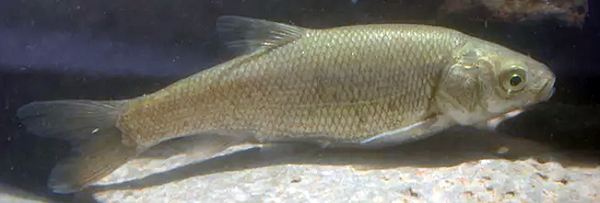
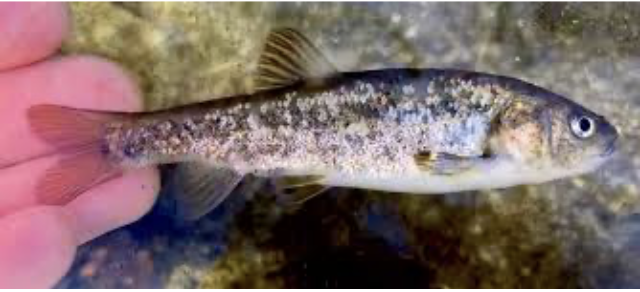
Mohave tui ChubPhoto – Joe Ferreia, California Fish & Wildlife
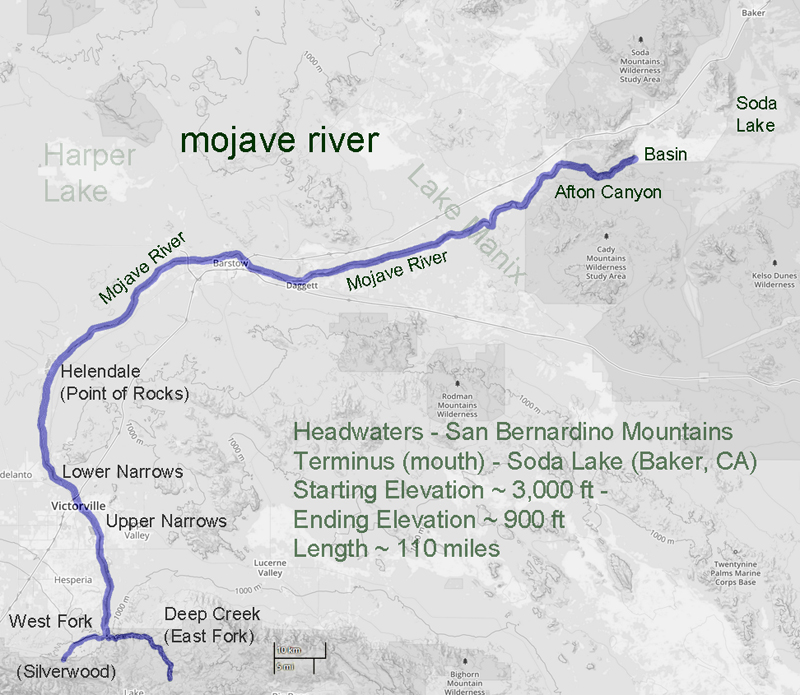
The Mohave tui chub (Siphateles bicolor mohavensis), formerly Gila bicolor mohavensis, is the only fish native to California’s Mojave River. It once lived throughout the river–inhabiting deep pools, sloughs, marshes, and backwaters from the Forks of the Mojave near the San Bernardino Mountains to Soda Lake near Baker. Now, it survives only in a few isolated refuges, making it one of the rarest native fishes in the American Southwest.
Mojave River map
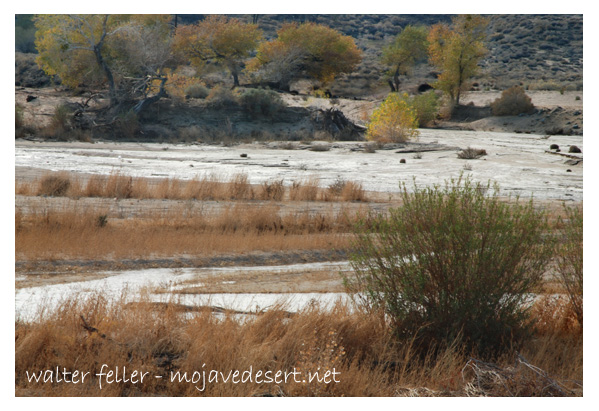
The Mojave River is unlike most North American rivers. It courses about 100 miles from the San Bernardino Mountains into the Mojave Desert, with most of its water underground. Surface flows occur only where bedrock forces groundwater to the surface, or when storms cause runoff. Despite being intermittent, the river once supported a rich aquatic ecosystem, including the Mohave tui chub.
The fish is a chunky, large-scaled minnow with a small terminal mouth, olive-brown to brassy back, and silver-white belly. Adults are usually 4 to 6 inches long; some reach 9 inches. Mohave tui chub feed on insect larvae, algae, and organic debris. Spawning runs from February to October, when females deposit thousands of adhesive eggs on aquatic plants.
For thousands of years, the species did well in the Mojave River basin. Its decline began in the early twentieth century as dams, groundwater pumping, and water diversions altered the river’s flow. Yet, habitat modification alone did not cause its disappearance.
Arroyo chub (Gila orcutti) – Hank Baker
Around 1930, arroyo chub (Gila orcutti), native to coastal Southern California streams, were introduced into reservoirs in the San Bernardino Mountains. Likely released by trout anglers or accidentally during fish stocking, they spread throughout the Mojave River after major floods in March 1938.
Unlike many introduced species that compete with native wildlife, the arroyo chub threatened the Mohave tui chub by interbreeding with it. Studies by Carl Hubbs and Robert Miller documented extensive hybridization and backcrossing. Over time, the native fish was absorbed into the introduced population. By the 1960s, pure Mohave tui chubs had disappeared from the Mojave River, and by 1970, the species was effectively extirpated from its native habitat.
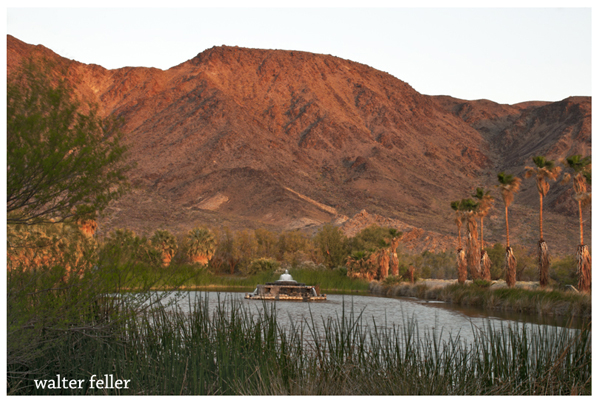
Lake Tuendae
Fortunately, a small population survived in isolated ponds at Soda Springs near the lower end of the watershed. These fish formed the foundation for all subsequent recovery efforts.
Authorities immediately recognized the species’ precarious status. The Mohave tui chub was listed as endangered under federal law in 1970, and the State of California followed in 1971. California also designated it as a Fully Protected species. In 1984, the U.S. Fish and Wildlife Service completed a recovery plan to prevent extinction and to establish secure refuge populations.
Today, genetically pure Mohave tui chubs survive in only a few places: Lake Tuendae at Zzyzx, Camp Cady Wildlife Area, MC Spring, and the Lark Seep system at China Lake. The China Lake population is regarded as the most secure. Since the mid-1990s, annual surveys there have estimated the number of fish in thousands. Water quality monitoring, invasive species control, habitat management, and vegetation removal help maintain suitable conditions.
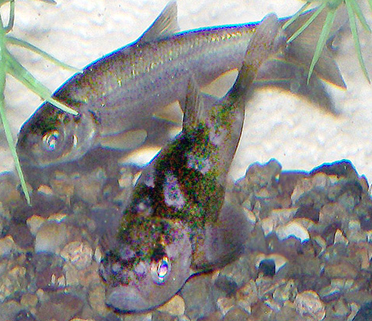
Modern genetic studies have greatly improved the understanding of the species. Yongjiu Chen, Steve Parmenter, and Bernie May used microsatellite DNA analysis to examine surviving populations and compare them with fish from the Mojave River. Their results confirmed that refuge populations remain genetically pure Mohave tui chubs, while fish occupying the Mojave River today are pure arroyo chubs.
Mohave tui Chub – Arroyo Chub – photo Walter Feller
The study revealed key differences among populations. Lake Tuendae and China Lake have high genetic diversity and are genetically similar. Camp Cady has lower diversity because it was founded by only 10 fish. MC Spring shows the lowest diversity, likely due to long isolation and genetic change. The researchers recommended boosting gene flow among populations and creating new ones from the most diverse sites.
While the Mohave tui chub survived, the Mojave River itself continued to change. By 2002, at least twenty-two non-native fish species had entered the watershed. Introduced species dominated fish communities in the middle and lower Mojave River. Researchers documented six exotic species in their study reaches and found evidence of continued hybridization among non-native fishes. In some locations, other introduced species displaced even the arroyo chub.
Many scientists concluded restoration of Mohave tui chub to its historic range would be very difficult. The river’s ecology has been fundamentally changed by invasive species, water development, habitat modification, and altered hydrology. While some reintroductions might be possible within controlled settings, restoring the species throughout the Mojave River now appears unlikely.
Despite these challenges, important habitat remains. One example is the Transition Zone of the Mojave River, where perennial surface water supports a fifteen-mile corridor of cottonwood and willow forest. Conservation measures have protected portions of this habitat, including the 1,647-acre Palisades Ranch. The property contains approximately 3.5 miles of Mojave River frontage and hundreds of acres of riparian forest, supporting a remarkable diversity of wildlife.
Species benefiting from the protection of the river corridor include the southwestern willow flycatcher, least Bell’s vireo, western yellow-billed cuckoo, Mojave River vole, southwestern pond turtle, arroyo toad, desert tortoise, Mohave ground squirrel, burrowing owl, and Mohave shoulderband snail. The area also contains habitat that could support Mohave tui chub if biological and hydrological obstacles are overcome.
The story of the Mohave tui chub is both a conservation success and a cautionary narrative. The species disappeared from the river where it evolved, not primarily because of direct predation or habitat destruction, but because it was replaced by genetic introgression from an introduced relative. Yet biologists, land managers, and conservation agencies worked together to save the fish from extinction.
Now, the Mohave tui chub is a living remnant of the earliest Mojave River ecosystem. Its survival depends on protected refuges, careful genetic management, and protection of remaining river stretches. As the only fish native to the Mojave River basin, it is a key symbol of the desert’s natural heritage.
The Mojave River, a hidden gem in the arid landscapes of California, serves as a vital lifeline in the Mojave Desert. This remarkable river spans approximately 110 miles and offers a diverse ecosystem, historical significance, and recreational opportunities for nature enthusiasts and history buffs.
Geography and Formation:
The Mojave River originates in the San Bernardino Mountains and meanders through the Mojave Desert, eventually dissipating into Soda Lake. Its path encompasses various landscapes, including rugged canyons, barren deserts, and lush riparian habitats. The river’s formation can be traced back thousands of years ago when geological processes and the ever-changing climate of the region shaped its course.
Ecological Importance:
Despite the harsh Mojave Desert conditions, the Mojave River sustains a surprising array of flora and fauna. The river’s riparian zones provide an ideal habitat for a variety of plant species, such as willows, cottonwoods, and mesquite trees. These lush areas attract diverse wildlife, including birds, reptiles, and mammals, seeking refuge in this desert oasis.
Historical Significance:
The Mojave River holds a significant place in the history of California. Native American tribes, such as the Mojave, Serrano, and Chemehuevi, once relied on the river’s resources for sustenance and survival. European explorers, including Spanish missionaries and fur trappers, ventured along its banks, leaving behind a legacy of cultural exchange and exploration.
Moreover, during the mid-1800s, the Mojave River played a crucial role in the development of the Old Spanish Trail and the Mojave Road. These historic trade routes linked the Spanish colonies of California with the eastern United States, facilitating trade and migration.
Recreational Opportunities:
For outdoor enthusiasts, the Mojave River offers a plethora of recreational activities. Hiking trails, such as the Mojave Riverwalk Trail, provide opportunities for exploration, allowing visitors to immerse themselves in desert scenery. Camping facilities and picnic areas along the river’s banks provide the most idyllic setting for a peaceful getaway amidst nature’s tranquility.
Conservation Efforts:
Recognizing the importance of preserving this vibrant ecosystem, numerous conservation organizations and government agencies have worked to protect and restore the Mojave River. These initiatives focus on sustaining river water quality and preserving riparian habitats.
Conclusion:
The Mojave River stands as a testament to the resilience of nature in the face of adversity. Its meandering path through the Mojave Desert provides a lifeline for both wildlife and humans, offering a sanctuary amidst the arid landscapes. Whether you are a nature lover, history enthusiast, or adventure seeker, the Mojave River is a destination that promises a unique and memorable experience. So, embark on a journey to this desert oasis, and let the Mojave River captivate you with its beauty and allure.
I like geology because it transforms how I see the desert. Geology explains why the land looks the way it does, why water follows certain paths, why mountains rise, or basins sink, and why springs appear. It shows how natural forces shape human choices: trails, roads, mines, railroads, and settlements emerge from the land’s history. Geology turns the desert from empty space into a record that can be read.
To many people, the desert looks still and silent. They see rocks, dry washes, cliffs, playas, distant mountains, and open ground. However, geology reveals that the desert is not still at all. It is the result of movement, pressure, heat, erosion, faulting, volcanism, uplift, and time. Every ridge, canyon, lava flow, terrace, wash, spring, and fault scarp has a reason for being there. While the land may not speak plainly, it leaves evidence.
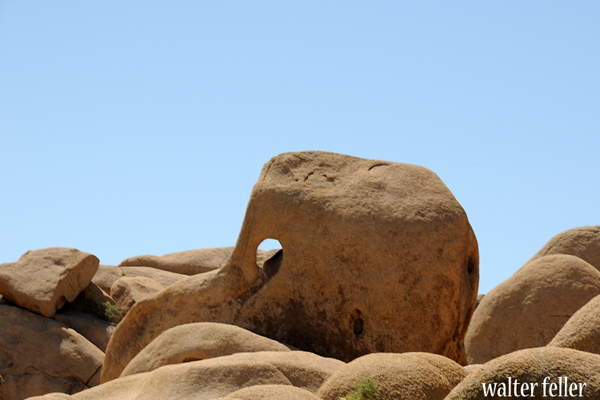
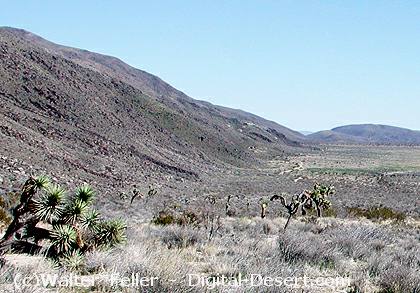
Jumbo Rock – Joshua Tree National Park
That is one reason geology appeals to me. It is based on visible proof. A geologist can look at a cliff face, a broken hillside, a tilted layer of rock, a dry lakebed, or a mine dump and begin to understand what happened. The evidence may be old, weathered, scattered, or partly hidden, but it is still there. Geology rewards careful observation. It asks a person to slow down, look closely, compare patterns, and respect what the land is showing.
For about nine years, I wandered and explored the desert simply by going out there. I moved from one point of interest to another, mostly staying to myself. Instead of following a formal course or guided route, I learned by looking, walking, comparing places, and remembering what I had seen. A canyon led to a spring. A spring led to a wash. A wash led to a road. A road led to a mine, a pass, a dry lake, or a faulted hillside. Over time, the separate places began to connect, further deepening my understanding.
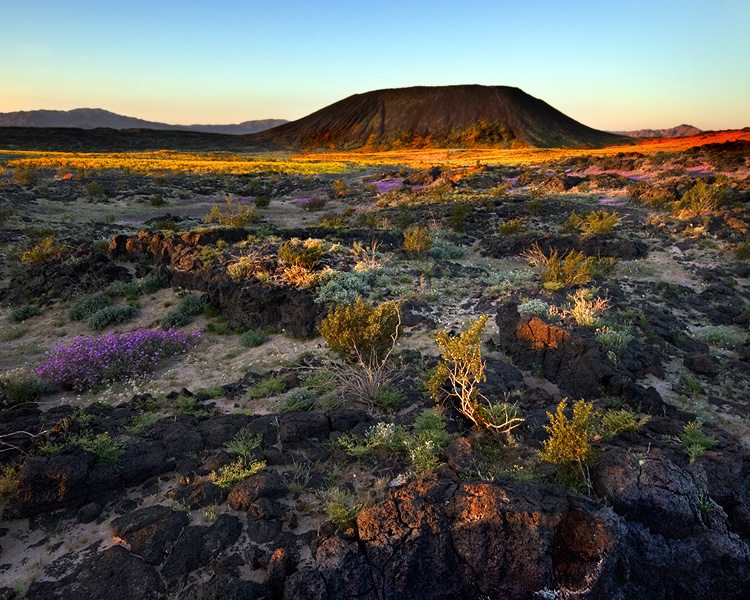
Amboy Crater
That kind of wandering gave the desert time to teach me. I was not trying to master it all at once. Some places made sense right away. Others stayed confusing until I saw another place that explained them. Over time, the desert became less like a collection of isolated sites and more like one connected landscape.
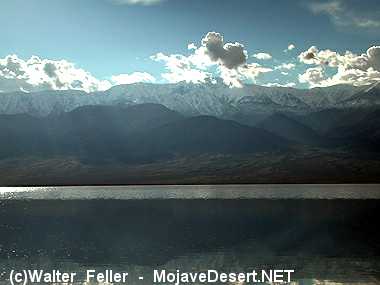
Lake Manly – Death Valley
In making these connections, I began to see that geology and history both seek to explain the past, but in different ways. History asks who came through a place, what they did, what they called it, and what they left behind. Geology, in contrast, asks deeper questions: Why is this pass here? Why did the river cut through at this place? Why did the lake disappear? Why was ore found in this mountain and not another? Why did a spring appear along one route and not another? Ultimately, human history depends on the shape and structure of the earth beneath it.
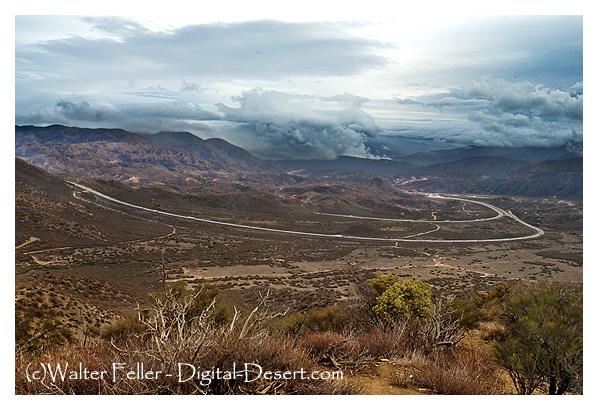
Blue Cut Fault – Joshua Tree National Park
This is especially true in the Mojave Desert. The Mojave is a land of corridors, barriers, basins, mountains, playas, springs, faults, and washes. People did not move across a blank map. They followed water, passes, dry lake margins, river channels, and openings between ranges. Trails, wagon roads, railroads, highways, mining camps, and towns were all influenced by geology. To understand the Mojave well, a person has to understand the ground.
Geology also explains why the desert can feel so old. Human history may reach back a few hundred or a few thousand years, but geology reaches into deep time. It deals with ancient seas, vanished lakes, old volcanoes, buried rivers, moving faults, and mountains worn down and raised again. It reminds us that the land existed long before us and will remain long after us. That perspective gives the desert dignity.
I admire geologists because they know how to read the earth without needing it to speak plainly. They can stand before a canyon wall, a fault zone, a lava field, or a dry lake and see more than scenery. They see time, force, sequence, and evidence. They understand that the land is not random. It has structure. It has a history. It has a record, even when that record is difficult to read.
I also admire the dedication and discipline geology requires. It is not casual work. It takes field study, maps, measurements, samples, notes, old reports, and comparison. A geologist must be willing to walk rough ground, endure heat and distance, and keep looking when the answer is not obvious. The earth does not reveal its story all at once. Understanding comes one observation at a time.
That kind of work requires humility. A good geologist cannot force the land to fit an easy explanation. The evidence has to lead. If the rocks say one thing and the theory says another, the theory must change. That respect for facts is one of the strongest parts of geology. It is disciplined curiosity. It combines imagination with restraint.
The Desert Studies Center at Zzyzx belongs in this story because it represents desert study put into practice. With this focus shifting from theory to place, it is a center where students, teachers, and researchers can go into the Mojave itself and learn directly from the land. Set near Soda Dry Lake, at the end of the Mojave River system, it stands in one of the best natural classrooms in the desert.
That setting matters. Around Zzyzx are dry lake beds, springs, salt flats, rocky slopes, volcanic features, desert plants, old shorelines, and evidence of water, heat, faulting, erosion, and long-term change. A person studying there is not learning geology only as an abstract subject. He is standing inside the evidence.
The Desert Studies Center also shows why geology requires discipline. Field science is not guessing from a distance. It means walking the ground, taking notes, checking maps, and comparing what is seen with what has been written. That is the kind of work I admire. It takes order and respect for facts.
In that sense, Zzyzx is more than a place on the map. It serves as a bridge between curiosity and discipline, and as a living example of how the Mojave Desert continues to be studied and interpreted. The Desert Studies Center turns admiration for geology into practical learning. Connecting students and researchers directly with the land shows that the desert itself remains the best teacher.
Geologists also help preserve meaning in places that might otherwise be overlooked. A dry wash is not just a wash. A playa is not just a flat place. A fault is not just a crack. A mine is not just a hole in the ground. Building on this, each one belongs to a larger story. Geology connects small details to big forces. It turns scattered features into a pattern.
That is why geology makes the desert understandable. Instead of seeing emptiness, geology reveals the bones and memory of the landscape. The Mojave is not barren, but layered with evidence of violence, patience, age, movement, and history. Geology’s explanation brings order and beauty to the surface, grounded in the evidence it preserves.
I like geology because it deepens every desert visit. Once you begin to see the land geologically, ordinary places become more interesting. A roadcut becomes a lesson. A wash becomes a process. A spring becomes a clue. A mountain front becomes evidence of movement. A dry lake becomes the trace of a vanished world.
Most of all, I like geology because it sharpens attention and deepens understanding. Geology rewards patience, discipline, and respect for the past. It reminds us that the earth has a story older than our own, and the Mojave Desert, far from being empty, vividly displays that story. With geology, the desert becomes readable and meaningful.
The Salt Lake Route, the Mojave River, and the Safer Passage of 1849
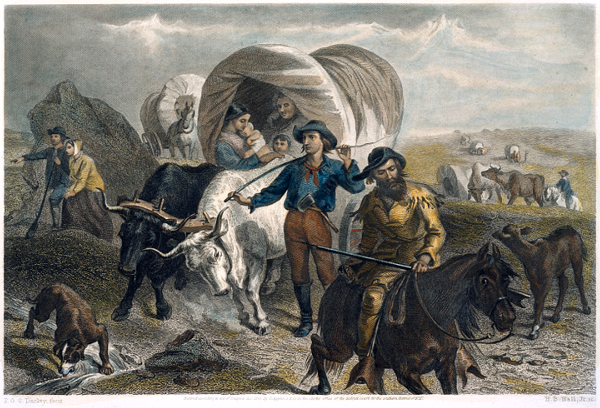
Emigrants crossing the plains / F.O.C. Darley, fecit ; H.B. Hall, Jr. sc.
Walter Van Dyke, a young Cleveland lawyer, joined the 1849 rush to California. Reaching Salt Lake too late to cross the Sierra safely, he turned south with a guided party under Captain Jefferson Hunt. His account records the successful Salt Lake-to-Los Angeles route via the Old Spanish Trail, Santa Clara, the Virgin River, Las Vegas, the Mojave River, and the Cajon Pass. It is valuable for showing the southern road that worked, not the Death Valley disaster.
The California Gold Rush is often remembered as a westward rush: across the plains, over the Sierra Nevada, or around the Horn and through Panama. These routes shaped the classic Forty-niner image: ox-team emigrant, sea passenger, red-shirted miner, speculator, and gold-seeker. Stewart Edward White divided the movement into three channels: the Cape Horn voyage, the overland road, and the Panama route. The overland road drew hardier emigrants, whose property was wagons, livestock, and farm equipment. White also highlighted the heavy price: cholera, failed animals, abandoned wagons, alkali deserts, and exhaustion from the Humboldt and Sierra crossings. The ordeal was a “trial by fire.” Reaching California, in the end, changed the emigrant.
Yet the overland story was a web of routes, decisions, delays, guides, mistakes, and improvisations. The best-known road led to the Humboldt and the Sierra. By 1849, however, lateness changed everything. Those late to Salt Lake faced a hard choice: attempt the Sierra and risk disaster, winter in Utah, or turn south toward Los Angeles on the Old Spanish Trail—a safer but longer route. At this juncture, Van Dyke’s “Overland to Los Angeles, by the Salt Lake Route in 1849” proves valuable, as his party avoided Death Valley by joining Captain Jefferson Hunt’s guided movement south and west toward the Mojave River and Cajon Pass.
Van Dyke started as an ordinary gold seeker. He was recently admitted to the bar in Cleveland. In spring 1849, he joined a company and left for California via Chicago, Iowa, Council Bluffs, the Platte, Fort Laramie, the Sweetwater, and Salt Lake City. His plain, late-life recollection preserves a useful chronology: leaving Chicago on June 6. Crossing the Mississippi on June 18. Leaving the Missouri on July 24. Reaching Salt Lake City on October 8. Then, waiting as the season closed, the Sierra route. Like many emigrants, they were late. However, unlike many, they accepted the consequences. The Donner disaster was a fresh warning that still shaped their choices.
In Salt Lake, Van Dyke’s party learned from Mormons returning from the mines that crossing the Sierra before winter was impossible. While they hesitated, the Pomeroy brothers, Missouri traders, prepared to take livestock and freight wagons to Southern California. Consequently, the emigrants joined them and hired Captain Jefferson Hunt as a guide. This decision put Van Dyke’s party on a different road from most Forty-niners, making their success reliant on guidance, water, forage, and discipline—not speed.
They left Salt Lake on 3 November 1849, heading south along the Wasatch. Near Utah Lake’s south end, they struck the Old Spanish Trail, which Van Dyke calls the northern route between Los Angeles and Santa Fe. This is important: the party did not create a new road, but entered an old corridor of travel, trade, and survival. They passed Spanish Fork, Sevier County, Mountain Meadows, Santa Clara, Virgin, Las Vegas, Mojave River, and Cajon Pass. The route was difficult but clear, with known camps, springs, river bottoms, and a familiar guide.
Van Dyke’s southern-route account should be read with the context provided by Will Bagley in Across the Plains, Mountains, and Deserts. Bagley’s bibliography demonstrates the scale of the overland documentary record: thousands of primary accounts, guidebooks, gazetteers, later wagon-travel sources, and secondary works. However, he warns that the California Trail’s southern route is less represented than the northern and central routes. This gap matters. Because of it, Bagley’s coverage is selective. He directs readers to Harlan Hague and Patricia Etter for more detail. This caution is important: Van Dyke is not just another emigrant reminiscence. For the Mojave and southern-route studies, he is a firsthand witness in a thin documentary field.
The contrast with White’s narrative is sharp. In his “Across the Plains” chapter, White spotlights catastrophic features: the Humboldt Sink, Sierra, broken wagons, dead animals, cholera graves, and emigrant trains collapsing under haste and poor preparation. Van Dyke’s account is different. There are hardships, hunger, snow, poor feed, and exhausted stock, but not disaster. The southern road remained challenging, not easy. The crucial distinction lay in route choice. By turning south, Van Dyke’s party exchanged the Sierra wall for a long desert road with intermittent water, warmer weather after Utah, and a descent through Cajon Pass into Southern California.
The Mojave River was the final desert threshold for Van Dyke’s party. Provisions nearly failed. About a dozen men went ahead for relief. They reached the Mojave River on the second day from the main camp, near present-day Barstow. They followed the Old Spanish Trail up the river to Cajon Pass. This short passage matters: it shows the Mojave River as the practical approach to Southern California. The river led emigrants to the pass and from the desert to the settlement.
The emotional climax is at Cajon Pass. Out of food and aided by moonlight, Van Dyke’s advance party went through the pass at night. They emerged in the valley around four o’clock on February 1. Van Dyke’s memory fixes on the contrast. The day before, they were in a harsh desert. Now, they walked through flowers and wild clover, with fragrant morning air. The passage is conventional–a classic arrival scene–, but its power lies in its geography.
Cajon Pass marked the divide between ordeal and relief.
At Cucamonga Rancho, the advance party found food, milk, and butter. A few days later, they reached Chino Ranch, linked to Colonel Isaac Williams, who had sent relief that season. Soon after, Van Dyke went to Los Angeles with a horse and guide, carrying letters and packages. The rest of the Cleveland party arrived with the train about a week later. The crossing took eight months. All arrived alive and healthy. Van Dyke knew this was rare. He had seen graves along the Platte and Black Hills and knew many had endured worse.
Van Dyke drew a larger lesson from their survival. That winter brought early rains and deep Sierra snow. No ordinary party could have crossed the Sierra. His group traveled from Salt Lake to Southern California with ox teams and heavy wagons, delayed primarily by weakened stock. He used this fact to argue that the Salt Lake-to-Los Angeles corridor was the natural railroad route to the Pacific—lighter grades, fewer snow sheds. This is retrospective route advocacy. However, it is grounded in their successful winter passage when the Sierra route was closed.
White frames what Van Dyke omits: the allure of the mines and San Francisco. White’s world rushes toward gold. It sorts into miners, merchants, teamsters, speculators, lawyers, gamblers, and citizens of a new commonwealth. The Gold Rush was a social furnace as well as a migration. Van Dyke confirms this from the south. In Los Angeles, he found a small Spanish pueblo with little business beyond stock raising. Even southern route emigrants kept moving north. The mines remained the magnet.
The three sources, therefore, work best together. Bagley supplies the research architecture: how to think about diaries, journals, recollections, reminiscences, guidebooks, and the uneven survival of trail records. White gives the broad synthetic frame. The Gold Rush was a migration, ordeal, social leveling, urban explosion, and civic improvisation. Van Dyke gives the local route witness. A Cleveland emigrant who reached Salt Lake too late. He turned south under guidance, followed the Old Spanish Trail, came by the Mojave River and Cajon Pass, and arrived safely in Los Angeles. Used together, these accounts show that the Forty-niner story was not simply a rush to California. It was a series of choices made under pressure. The right road, at the right season, could mean the difference between disaster and survival.
For Death Valley and Mojave work, that distinction is essential. The southern route is often remembered through the dramatic failure of the Death Valley parties. Van Dyke preserves the counterexample: the guided road that worked. His party suffered from hunger, snow, poor forage, and failing cattle. But it did not fall into catastrophe. It stayed with Hunt’s route. They kept to the Old Spanish Trail, used known water corridors, and entered Southern California through Cajon Pass. In that sense, Van Dyke’s account is not merely a reminiscence. It is evidence for the practical geography of survival in 1849.
The better historical question, then, is not simply why some Forty-niners suffered. All suffered in some measure. The sharper question is why some parties survived intact while others broke apart. Timing, leadership, route knowledge, livestock condition, water, forage, and the discipline to abandon the wrong ambition at the right moment–that made the difference. Van Dyke’s party wanted the gold fields. But at Salt Lake, they accepted winter’s terms.
The better historical question, then, is not simply why some Forty-niners suffered. All suffered in some measure. The sharper question is why some parties survived intact while others broke apart. Timing, leadership, route knowledge, livestock condition, water, forage, and the discipline to abandon the wrong ambition at the right moment—that made the difference. Van Dyke’s party wanted the gold fields. But at Salt Lake, they accepted winter’s terms. That decision sent them south, through the Mojave, and into Los Angeles alive.
References
Bagley, Will, ed. Across the Plains, Mountains, and Deserts: A Bibliography of the Oregon-California Trail, 1812-1912. Prepared for the National Park Service, National Trails Intermountain Region. Salt Lake City: Prairie Dog Press, 2015.
Van Dyke, Walter. “Overland to Los Angeles, by the Salt Lake Route in 1849.” Historical Society of Southern California.
White, Stewart Edward. The Forty-Niners: A Chronicle of the California Trail and El Dorado. New Haven: Yale University Press, 1918.
Transmogrification, though it carries a slightly literary, almost mythic tone, suggests not just change but a deep and strange transformation into something fundamentally different.
For much of its recorded history, the Mojave Desert was primarily understood as a physical region. Its identity arose from terrain and climate. Dense or permanent human occupation played little role. Early travelers, surveyors, geologists, and writers described it using the language of the landform. They noted broad basins, isolated mountain ranges, dry lakes, volcanic fields, alluvial fans, dunes, washes, and the intermittent course of the Mojave River. The desert was seen as a geographical system. Uplift, erosion, aridity, and distance formed it. Its boundaries were often indistinct. The Mojave was not yet a tightly organized human landscape. It was seen as open country, with character shaped by the land’s form.
In that earlier conception, geography imposed limits upon people. Travel followed springs, canyon mouths, and natural passes through the mountains. Camps and settlements clustered where water permitted survival. Roads bent around lava flows, crossed playas, or traced older Indigenous routes refined over generations of movement through the desert. Human activity existed within conditions dictated by climate and terrain. The desert remained the dominant force, and people adapted themselves to it.
Even with these earliest permanent intrusions, the long-standing dynamic between people and landscape was not immediately overturned. Mining camps rose and disappeared as ore deposits and water supplies fluctuated. Wagon roads faded when springs failed. Small railroad towns appeared abruptly but often remained fragile in the face of the scale and hostility of the surrounding landscape. Much of the Mojave still retained the appearance of a place shaped principally by geology rather than by civilization.
Over time, a shift occurred: the Mojave, once defined by natural systems, increasingly came to be structured around human needs. The first key shift came with railroads, which established artificial centers in previously insignificant locations—places that had mattered only as crossings or water stops. Afterward, elements like highways, aqueducts, transmission corridors, military reservations, utility infrastructure, suburban expansion, recreational development, industrial agriculture along the margins, and large-scale energy production continued this trend. These forces did not simply occupy the desert; they actively reorganized it.
A modern map of the Mojave clearly reveals this shift: vast military boundaries now dominate entire valleys and mountain ranges. Meanwhile, interstate highways create strong directional corridors across what were once diffuse travel landscapes. Utility-scale solar developments, visible for miles, convert open basins into industrial energy fields. Transmission towers march across dry lakes and bajadas. Off-road recreation networks carve repeating tracks into fragile terrain. Finally, conservation areas and national preserves add another layer of organization by establishing access restrictions, managing habitats, providing tourism infrastructure, and developing preservation policies.
Increasingly, the Mojave is understood less through watersheds and landforms than through jurisdiction and use. One valley becomes associated with military training, another with renewable energy, others with recreation, habitat protection, logistics, or suburban expansion. This shift is reflected in the language used to describe the desert. Whereas earlier generations emphasized playas, volcanic mesas, spring systems, or mountain passes, modern discussions focus on renewable energy zones, conservation plans, transportation corridors, protected acreage, groundwater management, housing pressure, and recreational access.
Yet the older desert has not disappeared beneath these overlays. The geology remains the controlling framework beneath every human system. Basin-and-range topography still governs drainage and movement. Mountain ranges still create rain shadows and isolate valleys. Heat still limits settlement density. Water scarcity still defines possibility. Dry lakes still gather runoff after storms, just as they did centuries ago. In many places, the desert resists permanent transformation. Every generation is reminded that the underlying landscape remains older and more powerful than any system laid upon it.
Building on these evolving layers of meaning, what has changed most is not simply the Mojave’s physical appearance but its significance. The desert has shifted in its conceptual role: initially perceived as a natural form, then as a landscape of use, and now increasingly as a landscape of negotiation.
The central question is no longer merely “What is the Mojave?” but “What is the Mojave for?” Different groups now approach the same landscape with competing visions: energy developers see open basins suitable for solar fields and transmission infrastructure; conservationists see fragile ecosystems, migration corridors, and biological continuity; tribes see ancestral homelands, sacred sites, and cultural memory in the terrain itself. The military sees strategic training space, defined by isolation and open airspace, while residents see communities and livelihoods. Recreationists seek freedom, mobility, solitude, and escape, while cities beyond the desert offer land, water, transportation routes, and energy supplies.
As these pressures intensify, nearly every part of the Mojave acquires overlapping claims—emptiness itself becomes contestable. Open land is no longer simply open; instead, it becomes designated, managed, leased, protected, restricted, industrialized, or defended. Consequently, the future Mojave is likely to be shaped not by a single activity, but by tensions among many competing systems, all operating simultaneously across the same terrain.
In this evolving context, the Mojave is entering a third historical phase. Initially, it was defined by its physical landforms. Next, human activities and uses became the defining factors. Now, the Mojave’s identity may increasingly depend on negotiations and conflicts over its meaning, access, and purpose.
The old desert will still remain beneath these arguments. The playas will still whiten under summer heat. Winds will still sweep across creosote flats. Mountain ranges will still rise abruptly from broad basins at dusk. Seasonal floods will still cut across washes after sudden storms. The geological skeleton of the Mojave will endure. However, as human systems become more extensive and entangled, the experience and interpretation of the desert will continue to change.
The future Mojave will be governed as a layered landscape. No single authority will determine its fate: federal agencies will control vast public lands; counties will regulate roads, zoning, and development pressure; tribes will press claims rooted in sovereignty, memory, and sacred geography; energy and mining companies will seek permits, leases, and corridors; conservation groups will defend habitat and species; recreationists will demand access; and residents will argue for the right to live within the desert, not just be managed from outside. In light of these overlapping interests, governance will become less about drawing boundaries and more about arbitrating between claims. The desert will be administered through plans, lawsuits, permits, consultations, closures, leases, and exceptions. Its future will not be decided all at once; instead, it will be determined valley by valley, corridor by corridor, and project by project.
The Mojave functions as both an ancient physical landscape and a modern human one. While it is no longer shaped solely by tectonics, erosion, and climate, it is no longer defined solely by railroads, highways, military reservations, and energy development. Increasingly, the desert is formed by negotiations over how such a landscape should exist. Thus, what once was defined by its form is now shaped by the competing meanings people assign to it.
Combined timelines of Victorville, Hesperia & Apple Valley, CA.
Pre-1800s: Indigenous Presence and Trade
The Serrano and Vanyume tribes lived along the Mojave River, relying on the river’s intermittent flow for food and trade.
Trails used by these tribes would later become parts of the Mojave Road, Old Spanish Trail, and Salt Lake Road.
1850s–1870s: Pioneer Waystations and Early Ranching
1858: Aaron G. Lane establishes Lane’s Crossing on the Mojave River (present-day Oro Grande/Victorville area), offering rest and resupply to travelers heading west.
Lane is considered the first permanent American settler along the Mojave River.
Summit Valley, near present-day Hesperia, sees increased grazing by early ranchers.
The Summit Valley Massacre (1866): A conflict between settlers and Native groups over livestock thefts and land disputes—an often overlooked but significant local tragedy.
1880s: Railroads and Town Foundations
1885: The California Southern Railroad, part of the Atchison, Topeka and Santa Fe system, reaches the High Desert.
A telegraph and railroad station named Victor is established, later renamed Victorville in 1901 to avoid confusion with Victor, Colorado.
Jacob Nash Victor, the railroad manager, is the town’s namesake.
The Hesperia Land and Water Company, led by James G. Howland, promotes Hesperia. It lays out plans for an agricultural colony and resort town, though irrigation plans fall short.
1900s–1930s: Modest Growth and Agriculture
Hesperia experiments with vineyards, orchards, and dairy farms, but water shortages and harsh conditions hinder success.
Victorville grows as a railroad shipping center and stopover for travelers crossing the desert.
The Victor Elementary School District is formed in 1906.
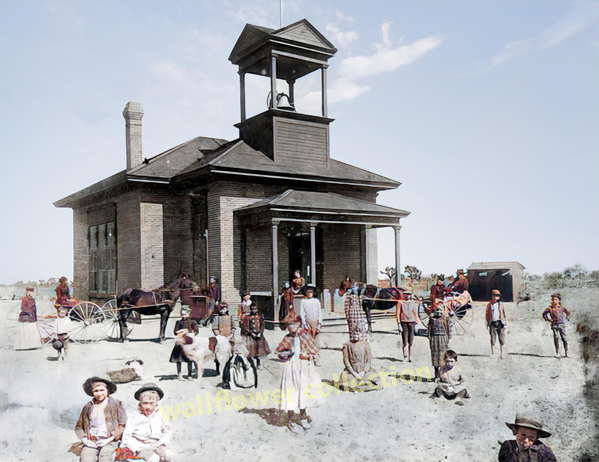
Early buildings still visible include the Hesperia Schoolhouse (Main St. and C Ave.).
1940s: War Changes Everything
1941: Victorville Army Airfield (later George Air Force Base) is established on the western edge of Victorville.
The base brings thousands of military personnel, rapid infrastructure growth, and federal investment.
Apple Valley remains mostly desert ranchland, but interest grows due to its mild climate and open space.
1948–1950s: Apple Valley Booms
1948: Apple Valley Inn opens, built by Newt Bass and Bud Westlund to attract investors and wealthy land buyers.
Stars like Bob Hope, Marilyn Monroe, John Wayne, and President Eisenhower stayed at the inn.
Murray’s Dude Ranch (founded earlier, 1920s–30s): One of the few Black-owned resorts in the country. It hosted African American guests during segregation and was used in Black-cast Western films.
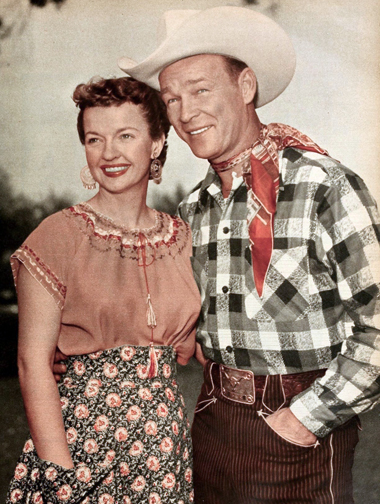
Roy Rogers and Dale Evans purchase a ranch in Apple Valley and become its most notable residents, eventually opening Roy Rogers’ Apple Valley Inn.
1950s–1960s: Expansion and Identity
Hesperia Inn and the Hesperia Golf & Country Club try to rekindle resort dreams. Jack Dempsey, the former boxing champion, lends his name to a museum at the inn.
Victorville grows with new housing and infrastructure to support the military population.
Route 66 runs right through Old Town Victorville, lined with diners, motels, and neon signs.
1970s–1980s: Steady Growth and Cultural Legacy
Apple Valley becomes a desirable retirement destination, marketing itself as a “Better Way of Life.”
Civic leaders like Bud Westlund and Newton Bass help shape the town’s modern layout and community services.
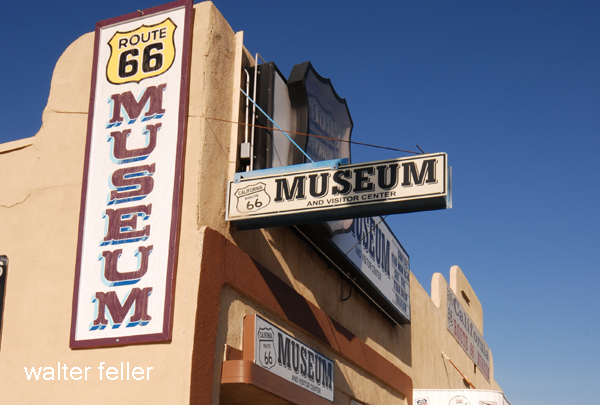
The California Route 66 Museum opens in Victorville in a former café, preserving the highway’s local legacy.
1992–2000s: Transformation and Reinvention
1992: George Air Force Base closes under federal military restructuring, dealing a blow to Victorville’s economy.
The base is repurposed into Southern California Logistics Airport (SCLA), an international freight and aerospace hub.
Apple Valley, Hesperia, and Victorville begin to urbanize, growing into commuter towns for the Inland Empire and the Los Angeles area.
2000s–Present: Modern Challenges and Historic Preservation
Victor Valley College, founded in 1961, continues to serve the region.
Old Town Victorville Revitalization Project aims to preserve the historic downtown.
Apple Valley promotes its Western heritage through the Happy Trails Highway and events honoring Roy Rogers and Dale Evans.
Hesperia Lake Park, Silverwood Lake, and local trails draw new visitors and recreation seekers.
The earliest desert people were not simply residents; they were formed by the land itself. Groups such as the Mojave people and Southern Paiute lived within a system defined by scarcity, timing, and precision.
Water determined everything. Springs, washes, and seasonal flows organized movement. Knowledge was practical and inherited, not optional. A person needed to know where to go, when to move, and how to use what was available.
This produced a distinct human type:
Memory-based knowledge of place
Endurance and adaptability
Careful use of limited resources
Cultural continuity is tied directly to the landscape
The desert was not something to overcome. It was something to understand.
2) Transitional figure: The crosser and builder
In the 19th century, a different kind of person entered the desert: traders, soldiers, freighters, miners, ranchers, and surveyors. Routes like the Old Spanish Trail carried people across the region rather than within it.
These individuals did not have generations of accumulated knowledge, but they still had to respect the desert’s limits. Many adapted quickly; others did not last.
Their traits were different:
Practical, experience-driven learning
Willingness to take risks
Dependence on known routes and water points
Early shift toward ownership, extraction, and control
They began reshaping the desert, but they had not yet escaped its authority.
3) Industrial desert people: Workers of the corridor
With the arrival of large-scale infrastructure, the desert produced a different kind of person. Railroads such as the Atchison, Topeka, and Santa Fe Railway and the Southern Pacific Railroad, followed by highways like Route 66, transformed the region into a corridor.
The people of this phase were workers tied to systems: railroad crews, station agents, mechanics, miners, motel owners, and military personnel.
Their relationship to the desert shifted:
Less reliance on natural water and terrain knowledge
Greater reliance on infrastructure
Identity tied to function (rail hub, highway stop, base town)
Continued toughness, but within organized systems
The desert still mattered, but it mattered indirectly. The system stood between the person and the land.
4) Contemporary condition: Layered and divided identities
Today, desert populations are not uniform. In places like Victorville and Apple Valley, people of many types coexist, often with very different relationships to the land.
These include:
Long-time residents with inherited knowledge
Commuters tied to outside economies
Logistics and warehouse workers are connected to national systems
A) The Mojave River spine (Colorado River → eastern Mojave springs → Mojave River corridor → Cajon Pass → San Bernardino/LA)
Mojave Indian Trail; Mojave River Trail; Mojave Road; Old Spanish Trail (where it drops into/uses Mojave River and related desert crossings); Beale’s Wagon Road (in its CA desert segment); Brown’s Toll Road (as the Cajon gateway upgrade); plus the generic “Wagon Roads” label when you’re talking about the 19th-century wagonable evolution of the same line.
The idea is simple: reliable water spacing and a workable pass dictated the alignment. The Mohave Trail conceptually underlies the later Mojave Road, and the NPS explicitly treats the Mojave Road through Mojave National Preserve as a branch of the Old Spanish National Historic Trail. Beale’s route description also ties his Mojave Desert segment to the Mojave Trail/Old Spanish Trail network, then notes the junction with the Mormon Road at the Mojave River. Brown’s Toll Road is best understood as “the Cajon Pass switch” that made the desert–coast connection more serviceable (toll/improvement era), not a whole new long-distance corridor by itself.
B) The LA ↔ Salt Lake “southern route” family (good-roads era branding laid over older travel)
Salt Lake Road; Old Spanish Trail (northern route pieces); Arrowhead Trails Highway; and again “Wagon Roads” as the pre-auto baseline.
This is the family that turns into the famous LA–Las Vegas–Salt Lake motor corridor in the auto-trails era. The BLM’s Arrowhead Trails Highway page is blunt about the lineage: the proposed/marketed auto route followed the late-19th-century “Old Mormon Road” and the earlier Old Spanish Trail. The Arrowhead Trail’s “association/branding layer” starts in 1916 (organized/incorporated that year) and is essentially a named-trail wrapper on that corridor.
C) “Good Roads” transcontinental overlays (names that often ride on top of existing roads, then feed into numbered highways)
National Old Trails; Midland Trail; Route 66 (as the numbered successor in the Southwest); and sometimes Arrowhead Trails Highway where it shares pavement with the NOTR in Southern California.
The key point: these aren’t necessarily new alignments end-to-end; they’re promotional/organizational systems that sign and improve what counties and states already had. FHWA and other summaries describe the National Old Trails Road Association as one of the early major named-trail movements (founded 1912). In the West, big stretches of the NOTR were later folded into US 66, which was established/commissioned in 1926 (signing followed). The Midland Trail is another early signed transcontinental auto trail (signed by 1913) that overlaps conceptually with the named-trails era rather than replacing everything on the ground.
D) The Sierra/Eastern Sierra north–south family (LA ↔ Mojave ↔ Owens Valley and beyond)
Sierra Highway / El Camino Sierra.
This one is its own long corridor family, and it intersects the desert east–west systems at junction towns rather than duplicating them. It’s commonly framed as an early 20th-century promoted route (established/advertised early, with later highway rebuilds) connecting Los Angeles into the Eastern Sierra.
E) The Tejon/Tehachapi gateway family (LA Basin ↔ San Joaquin Valley crossings)
Fort Tejon Road; Ridge Route.
Think “northbound exit from the LA Basin” rather than “Mojave crossing.” The Los Angeles–Fort Tejon Road is described as a successful wagon road solution over/near the Tehachapi barrier, completed in 1855. The Ridge Route is the early engineered state highway-era answer (opened 1915) that finally made that link paved and direct in the automobile age.
F) San Bernardino/San Gabriel mountain connectors (coast ↔ mountain communities, not trans-desert corridors)
Rim of the World Drive; Angeles Crest Scenic Drive (Angeles Crest Highway); Van Dusen Road.
These are “mountain access projects” more than “interregional desert crossings.” Rim of the World Drive is documented as opening in 1915 to connect San Bernardino with Big Bear through the range. Angeles Crest Highway construction begins in 1929 and the completed through-route opens much later (mid-20th century). Van Dusen Road sits here as an earlier wagon-road era Big Bear/Holcomb access line tied to the 1860–61 gold rush logistics (often described as a wagon road built in 1861).
West Side Road (Death Valley); Road to Panamint; Eichbaum’s Toll Road (same as “Eichbaum Toll Road”).
This family is its own ecosystem: borax-era freight roads, mining camp supply lines, then purpose-built access to resorts/tourism. NPS frames the borax era as transport over “primitive roads” (1883–1889). The Eichbaum Toll Road is well-documented as a 1925–26 build from near Darwin to Stovepipe Wells (i.e., a deliberate west-side entry improvement). “Road to Panamint” is best treated as the umbrella for the Panamint Valley/Skidoo/Rhyolite road-pushing phase in the 1906–1907 window and its successors; NPS history material and HAER/other documentation talk explicitly about wagon-road development and the Rhyolite–Skidoo road beginning in 1906 and being in use by 1907. West Side Road is the park backroad line on the valley floor’s west side (modern status aside), squarely in the “Death Valley internal access” bucket.
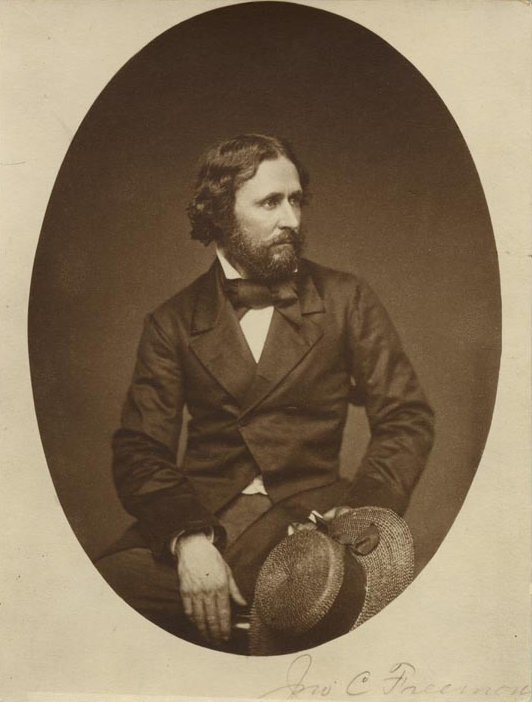
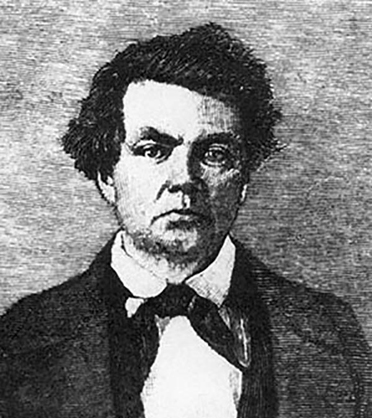
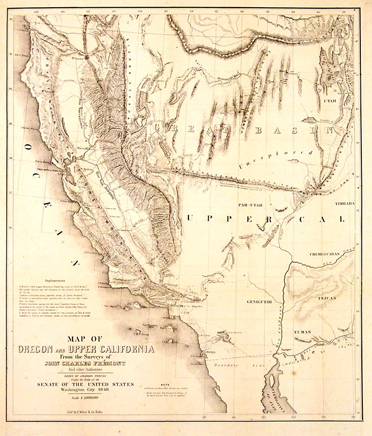
The relationship between John C. Fremont and his chief surveyor, Charles Preuss, was a mixture of professional interdependence and deep personal tension. Both men were indispensable to each other—Fremont as the ambitious public face and commanding officer, Preuss as the trained cartographer and topographic backbone of the expeditions—but their temperaments could hardly have been more different.
John C. Fremont
Preuss, a German-born topographer and mapmaker, brought a meticulous scientific discipline and European technical education to Fremont’s ventures. He was responsible for producing the maps that gave Fremont’s reports their authority, accuracy, and ultimate political impact. Fremont depended heavily on Preuss’s precision and methodical fieldwork—his astronomical observations, triangulations, and record-keeping were the foundation upon which Fremont’s reputation as “the Pathfinder” was built.
Charles Preuss
However, the relationship was far from harmonious. Preuss’s surviving diary-often dry, caustic, and skeptical—shows frequent frustration with Fremont’s impulsiveness and his flair for drama. A telling remark from his journal reads, “I feel better because of Fremont’s absence,” reflecting how strained the interpersonal atmosphere could become in the field expeditions of John Fr. Fremont, for his part, maintained formal respect for Preuss’s abilities but rarely mentioned him by name in official correspondence, reinforcing the imbalance between Fremont’s fame and Preuss’s quiet technical role.
Despite their tension, their collaboration was crucial to their success. Preuss translated Fremont’s raw exploration data into accurate maps that guided westward migration and railroad planning for decades. Fremont provided the narrative that captured public imagination, while Preuss provided the empirical skeletonthat made those narratives credible.
In short, theirs was a mutually dependent but uneasy partnership. This partnership combined Fremont’s ambition and charisma with Preuss’s scientific rigor, yielding one of the 19th century’s most influential bodies of cartographic and exploratory work.
“He names mountains and rivers as a poet writes verses, quickly and without measure.” — 1843, eastern Nevada
Barstow, California, from the 1870s through the present, with all key details preserved and arranged chronologically:
Barstow stands today at the center of the Mojave Desert’s long story of ranching, mining, railroads, and highways. Its history reflects the layered development of the Mojave River corridor, where water, transportation, and enterprise have drawn people across the desert for more than a century and a half.
In the years following the Civil War, the upper Mojave River region supported a few scattered cattle ranches and wagon stations. Before Barstow existed, the country between Oro Grande and Daggett was known for its open range and desert pastures. Herds were grazed along the Mojave River, using its shallow pools, seeps, and hand-dug wells. During the 1870s and 1880s, ranchers moved stock between the high country of the San Bernardino Mountains and the desert valleys, following trails that paralleled the river. Stations at places such as Lane’s Crossing and Fish Ponds served as watering points for stock and travelers. As the Santa Fe Railroad advanced across the desert, freight access to distant markets encouraged limited agriculture along the riverbanks. By the early 1900s, alfalfa, grain, and small orchards appeared in Victor Valley, and a few experimental plots extended downstream toward Barstow. The Arrowhead Reservoir and Power Company began purchasing riparian tracts between Victorville and Barstow to secure water rights, recognizing that the Mojave River would control the future of settlement. Though the arid climate limited cultivation, these early ranches and farms laid the foundation for the region’s first lasting economy before industry and highway travel arrived.
Barstow’s founding dates to the early 1880s, when the Atlantic & Pacific Railroad, later part of the Atchison, Topeka & Santa Fe system, pushed its line westward from Needles toward Mojave. In 1883, the mainline was completed across the desert, and a division point was established to centralize maintenance, crew changes, and fueling. This camp, called initially Waterman Junction, became the nucleus of Barstow. The town was renamed in 1884 for William Barstow Strong, president of the Santa Fe, and quickly became the railroad’s desert headquarters. Roundhouses, repair shops, and supply depots were built to serve the trains moving freight and passengers across the Mojave.
While Barstow developed as a railroad town, the nearby community of Daggett became the milling and shipping center for the Calico silver mines. The Calico district boomed in the early 1880s, with more than a hundred mines producing ore that was hauled to Daggett for reduction and shipment east. In 1898, a short branch line was built from Daggett to Calico to carry ore directly to the Santa Fe main line. This small spur improved mining transport but did not found Barstow; the town was already well established as a division headquarters long before. Barstow’s location on the main transcontinental line—roughly midway between San Bernardino and Needles—gave it strategic importance that would outlast the mining booms around it.
As the 1890s ended and silver prices dropped, mining declined, but the railroad presence ensured Barstow’s survival. The town expanded with railroad housing, stores, and services for workers and travelers. The Mojave River valley became a modest agricultural district, producing hay, fruit, and dairy products for local use. By 1910, Barstow had schools, churches, and small businesses serving both rail employees and the surrounding ranch country.
In 1911, the Fred Harvey Company constructed the Casa del Desierto, a grand Mission Revival depot and Harvey House that brought elegance and permanence to the desert town. The building served as a hotel, restaurant, and railroad office, offering travelers comfort along the route between Los Angeles and the Colorado River. It quickly became Barstow’s social center and symbol of progress. The Santa Fe expanded its shops, roundhouse, and yards, reinforcing the town’s position as a key maintenance and operating base.
At the same time, the automobile age arrived. The National Old Trails Highway followed the corridor of the railroad, and by the 1920s, U.S. Route 66 brought a steady stream of motorists through town. Gas stations, garages, and cafes appeared along the main street, which paralleled the railroad tracks. Barstow became a vital service stop for travelers crossing the Mojave Desert, bridging two eras of transportation—steam and motor—and transforming from a company town into a crossroads community.
The Great Depression slowed new growth, but Barstow endured. The flow of automobiles along Route 66 kept the economy alive, while the railroad continued to carry freight and passengers across the desert. By the late 1930s, the town’s main street was lined with motor courts, diners, and filling stations.
World War II brought another surge of activity. Barstow’s location on both the Santa Fe main line and Route 66 made it ideal for military supply and logistics. The Marine Corps established the Nebo Depot just west of town, handling ordnance and supplies for the Pacific war effort. Additional facilities at Daggett and Yermo supported troop movements and desert training exercises. Troop trains, fuel convoys, and war freight filled the region, and the population grew rapidly as railroad workers, servicemen, and civilian contractors arrived.
By the late 1940s, Barstow had become the true hub of the Mojave. Mining had faded, but rail, highway, and military operations kept the town busy. Route 66 was in its prime, bringing travelers east and west through a landscape alive with neon lights and the constant hum of engines. Barstow’s economy rested on three pillars: the Santa Fe Railroad, the Marine base, and the steady flow of cross-country traffic.
After the war, the new interstate system reshaped the desert. The Marine Corps Logistics Base at Nebo expanded during the 1950s, and the Yermo Annex was developed for vehicle storage and repair. Together, they became major employers for the region. Barstow’s population grew as families settled near the base, supported by trucking companies, service stations, and small industries. Route 66 reached its height during this period, and Barstow’s main street glittered with motels, diners, and bright neon signs welcoming motorists.
By the late 1960s, however, the new Interstate 15 and Interstate 40 began to bypass the older downtown route. Travel patterns shifted, and many classic roadside businesses declined. Still, the same geography that had favored Barstow from the start—its place at the meeting of routes—kept it alive. The Santa Fe Railroad remained one of the town’s largest employers, operating extensive classification yards. The Marine bases continued their vital supply missions, and long-haul trucking replaced some of the lost highway trade.
Through the 1970s, Barstow adapted to the new interstate era. Truck stops and logistics centers replaced many of the old motor courts. Route 66, though decommissioned later, remained a nostalgic symbol of the town’s mid-century heyday. The Casa del Desierto depot closed in 1973 when passenger rail service declined, but the building survived. Preservation efforts during the 1980s and 1990s restored it as a civic landmark housing the Western America Railroad Museum and the Route 66 Museum offices. The restored depot reopened to the public, honoring the legacy of the Harvey Girls and the long railroad heritage that gave the town its start.
Today, Barstow continues to serve as the crossroads of the Mojave Desert. It stands at the junction of Interstates 15 and 40, serving travelers, truckers, and freight moving between Southern California and the interior West. The BNSF Railway, successor to the Santa Fe, operates one of its largest freight classification yards in town, handling thousands of cars daily. The Marine Corps Logistics Base remains a major employer, linking Barstow to the modern defense and transportation economy.
Though much has changed, the pattern remains the same. The Mojave River still winds below the town, the rails still hum with freight, and the highways still carry travelers across the vast desert plain. Barstow’s story—from cattle ranching and mining to railroads and freeways—reflects the larger history of the Mojave itself: a land shaped by endurance, movement, and the constant meeting of past and present at the desert’s enduring crossroads.
All right, here’s the whole story. No jargon, no technical formatting, just the history of how Lauren Wright and Bennie Troxel shaped our understanding of Death Valley, Tecopa, and the southern Mojave region.
Eagle Mountain
Lauren Wright and Bennie Troxel spent their lives in the desert. Starting in the early 1950s, they mapped the roughest country in Death Valley and beyond. What others called chaos, they patiently untangled, rock by rock. Over the years they became two of the most trusted voices in Basin and Range geology, known for their steady field habits, clean maps, and deep respect for what the land itself could tell them.
They began in Death Valley, working through the twisted terrain east of Badwater and Furnace Creek. There, scattered fault blocks looked like a puzzle someone had shaken apart. Wright and Troxel figured out that this “Amargosa Chaos” wasn’t random at all. It was the result of the crust stretching and tearing at low angles, lifting old rocks and dropping young ones. Their maps from the 1960s and 70s showed that the Valley wasn’t just a crack in the earth, but part of a much larger system in which the crust itself was thinning.
They studied the Furnace Creek and Death Valley fault zones and showed that the sideways, or strike-slip, motion wasn’t as massive as some believed. The land was moving both sideways and downward — sliding, stretching, and rotating all at once. Their careful work stopped wild speculation and grounded future studies in what could actually be seen in the rocks.
Later, when the field began to recognize “detachment faults” — those broad, low-angle breaks deep in the crust — Wright and Troxel were already there. They had mapped them years before anyone had a name for them. Their diagrams of tilted mountain blocks, uplifted footwalls, and sinking basins became the foundation for how geologists now picture the Basin and Range province.
Their influence spread southward, into the Tecopa and Shoshone area. Tecopa Basin, once thought of as just a dried-up lake, became under their framework a living tectonic basin — a place still moving, still changing. The basin sits between the Resting Spring Range on the east and the Nopah Range on the west, both tilted blocks bounded by faults. Wright and Troxel’s regional mapping explained how those ranges rose and the basin sank, all part of the same crustal stretching that shaped Death Valley.
The Resting Spring Range, they showed, is a footwall block lifted on a west-dipping detachment fault. That fault likely channels the hot water that feeds Tecopa’s springs. Across the basin, the Nopah Range tilts the other way, dropping the valley floor between them. The lake beds and alluvial fans that fill the basin record every stage of that movement. Their approach — always linking sediments, structure, and landscape — became the standard way of reading desert basins.
Following their line of thought south, the fault belt continues through Sperry Wash to the Kingston Range. There the crust was pulled so thin that deep rocks rose to the surface. Later researchers would prove the Kingston Range to be a metamorphic core complex, but it was Wright and Troxel’s earlier insight into Death Valley’s structure that pointed the way. They showed that the same forces that opened Death Valley also lifted the Kingston Range and dropped the Tecopa Basin between them.
At the southern edge of this chain lies the Avawatz Mountains, a natural hinge between the stretching Basin and Range and the sliding Mojave block. Wright and Troxel understood this as the turning point — where extension gives way to sideways shear. The Garlock Fault lies just to the south, a great east-west fracture that shifts motion from one style to another. They were among the first to argue that these systems are connected, not separate. The Garlock doesn’t stop Death Valley; it redirects it.
South of the Avawatz, the story continues through Soda and Silver Lakes, the broad dry basins near Baker. These, too, line up along the same fault trend. The Mojave River, flowing northward from the mountains through Barstow, traces that same old scar in the crust. The river’s course isn’t random — it follows a tectonic path carved long before any water ran through it. Every terrace, canyon, and dry lake along its route echoes the same pattern Wright and Troxel mapped farther north.
By the time the river reaches Afton Canyon and the dry sinks of Cronese and Soda Lake, it’s running through the tail end of their structural corridor. The ground here still moves, slowly and quietly, along the Lenwood, Lockhart, and Helendale faults. These smaller strands pick up the motion of the Garlock and pass it westward toward the San Andreas. The Mojave River flows right through the middle of it all — a living reminder of how deep-seated tectonics shape even the surface flow of water.
Wright and Troxel’s gift was not just their data but their way of seeing. They treated the desert as a single, connected organism — every basin, every fault, every dry lake part of the same long rhythm of motion. Where others saw disjointed ranges, they saw a story of continuous transformation, stretching from Furnace Creek to Barstow and beyond.
Their maps still hang in field camps and classrooms, and the Geological Society of America’s Wright–Troxel Award continues to support students studying these same basins. The accuracy of modern GPS and seismic work has only confirmed what they drew by hand half a century ago.
In the end, their legacy is both scientific and human. They showed that patient fieldwork, careful observation, and respect for the land can turn confusion into clarity. Thanks to them, the Mojave and Death Valley are no longer a tangle of broken hills but a single, coherent landscape — one long story written in the language of stone.
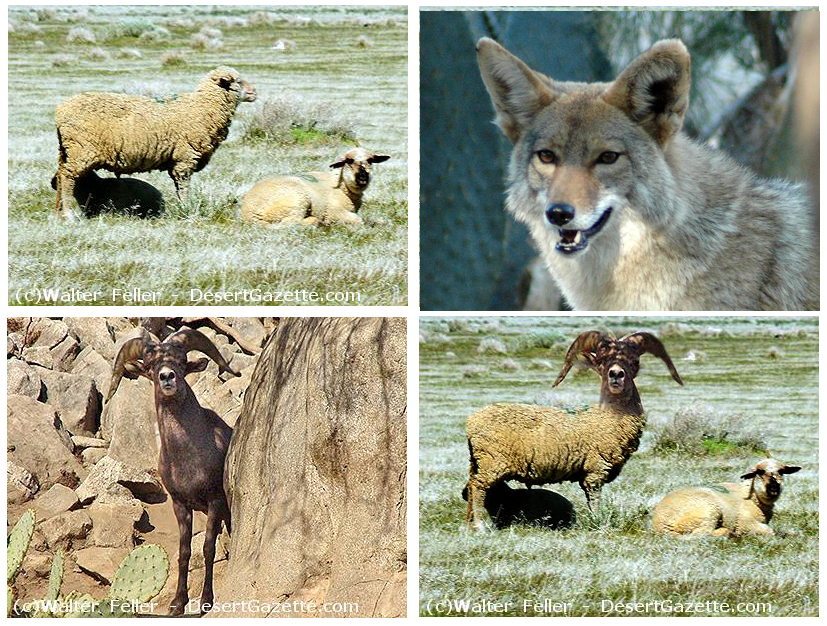
Bill Frakes was a gentleman from Argentina who brought sheep out to his claim at the old Camp Cady along the Mojave River. As soon as he got there, it seemed he had sheep problems. They kept dying. They kept dying because the sheep had coyote problems. The coyotes had issues because they always seemed hungry, and the sheep were so tasty.
Bill Frakes noticed the coyotes rarely messed with the local bighorn sheep. The bighorn would kick the hell out of the coyotes and cause them more coyote problems than the meal was worth–like broken bones, punctured lungs, and death and stuff…
Bill Frakes had an idea on how to solve everyone’s problems–to interbreed the bighorn with the domestic sheep. He would make coyote killers, and Bill Frakes would be on Easy Street raising flocks and flocks of bad-ass sheep.
The details of what happened next are left in the gray fog of best-forgotten history, but there were rumors that several unfortunate and disturbing creatures were tied to a shed, and at night strange animal-like crying and sobbing could be heard.
Bill Frakes’ plan failed miserably with a possible exception; up there in the hills, a hybrid ram is said to have escaped; too ugly to die, too ugly to let itself be seen, the King Mutant Ram’s wailing and moaning can be heard to these very modern times in the mysterious night winds of the Afton Canyon highlands . . .
The End
Fiction inspired by a true event as described in “Daggett, Life in a Mojave Frontier Town,” by Dix Van Dyke – Edited by Peter Wild.