Victor Valley Timeline

Combined timelines of Victorville, Hesperia & Apple Valley, CA.


Pre-1800s: Indigenous Presence and Trade

  • The Serrano and Vanyume tribes lived along the Mojave River, relying on the river’s intermittent flow for food and trade.
  • Trails used by these tribes would later become parts of the Mojave Road, Old Spanish Trail, and Salt Lake Road.

1850s–1870s: Pioneer Waystations and Early Ranching
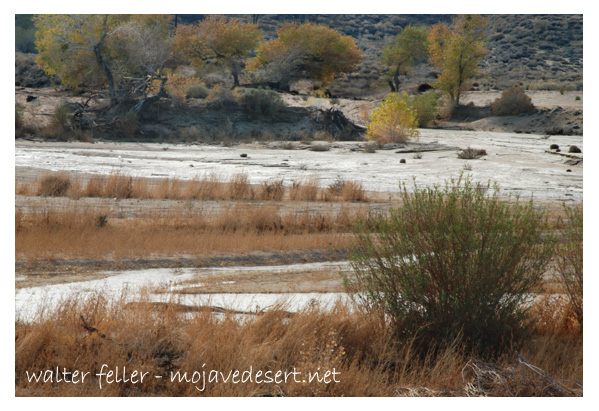
  • 1858Aaron G. Lane establishes Lane’s Crossing on the Mojave River (present-day Oro Grande/Victorville area), offering rest and resupply to travelers heading west.
  • Lane is considered the first permanent American settler along the Mojave River.
  • Summit Valley, near present-day Hesperia, sees increased grazing by early ranchers.
  • The Summit Valley Massacre (1866): A conflict between settlers and Native groups over livestock thefts and land disputes—an often overlooked but significant local tragedy.
1880s: Railroads and Town Foundations

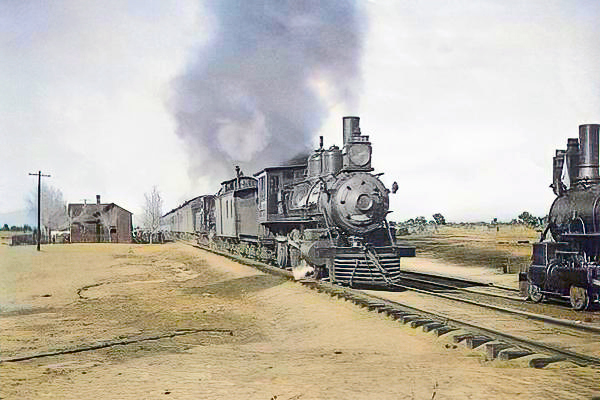
  • 1885: The California Southern Railroad, part of the Atchison, Topeka and Santa Fe system, reaches the High Desert.
  • A telegraph and railroad station named Victor is established, later renamed Victorville in 1901 to avoid confusion with Victor, Colorado.
  • Jacob Nash Victor, the railroad manager, is the town’s namesake.
  • The Hesperia Land and Water Company, led by James G. Howland, promotes Hesperia. It lays out plans for an agricultural colony and resort town, though irrigation plans fall short.

1900s–1930s: Modest Growth and Agriculture
  • Hesperia experiments with vineyards, orchards, and dairy farms, but water shortages and harsh conditions hinder success.
  • Victorville grows as a railroad shipping center and stopover for travelers crossing the desert.
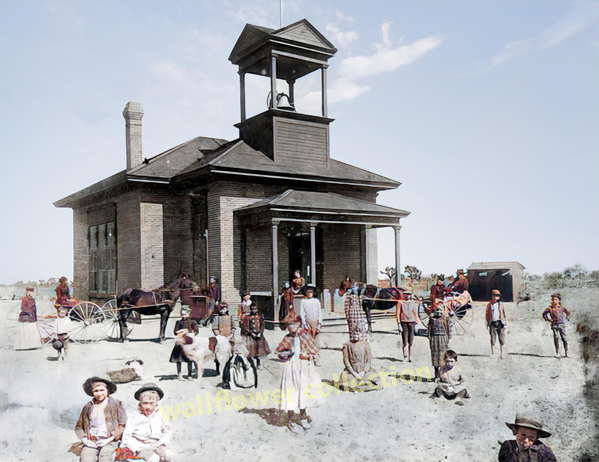
  • The Victor Elementary School District is formed in 1906.
  • Early buildings still visible include the Hesperia Schoolhouse (Main St. and C Ave.).

1940s: War Changes Everything

  • 1941Victorville Army Airfield (later George Air Force Base) is established on the western edge of Victorville.
  • The base brings thousands of military personnel, rapid infrastructure growth, and federal investment.
  • Apple Valley remains mostly desert ranchland, but interest grows due to its mild climate and open space.

1948–1950s: Apple Valley Booms
  • 1948Apple Valley Inn opens, built by Newt Bass and Bud Westlund to attract investors and wealthy land buyers.
  • Stars like Bob HopeMarilyn MonroeJohn Wayne, and President Eisenhower stayed at the inn.
  • Murray’s Dude Ranch (founded earlier, 1920s–30s): One of the few Black-owned resorts in the country. It hosted African American guests during segregation and was used in Black-cast Western films.
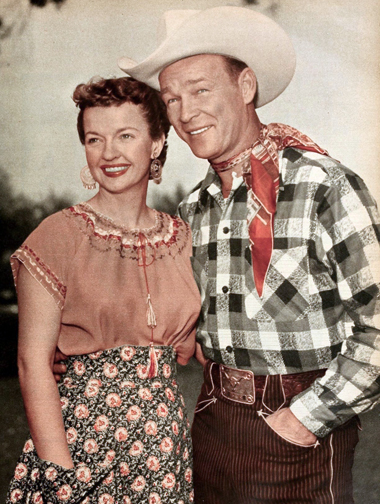
  • Roy Rogers and Dale Evans purchase a ranch in Apple Valley and become its most notable residents, eventually opening Roy Rogers’ Apple Valley Inn.

1950s–1960s: Expansion and Identity
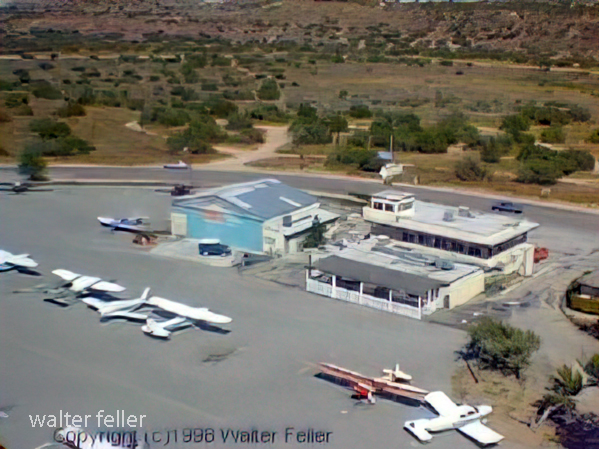
  • Hesperia Inn and the Hesperia Golf & Country Club try to rekindle resort dreams. Jack Dempsey, the former boxing champion, lends his name to a museum at the inn.
  • Victorville grows with new housing and infrastructure to support the military population.
  • Route 66 runs right through Old Town Victorville, lined with diners, motels, and neon signs.

1970s–1980s: Steady Growth and Cultural Legacy
  • Apple Valley becomes a desirable retirement destination, marketing itself as a “Better Way of Life.”
  • Civic leaders like Bud Westlund and Newton Bass help shape the town’s modern layout and community services.
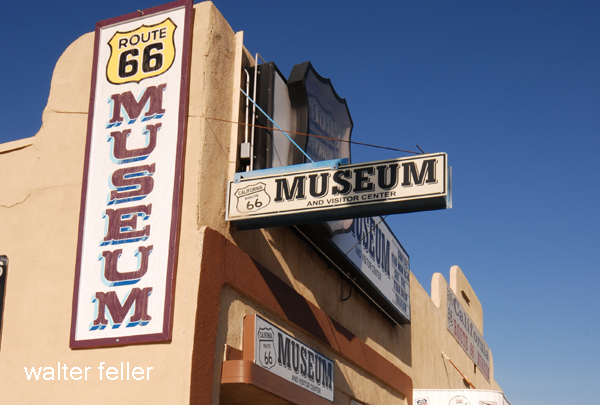
  • The California Route 66 Museum opens in Victorville in a former café, preserving the highway’s local legacy.

1992–2000s: Transformation and Reinvention

  • 1992George Air Force Base closes under federal military restructuring, dealing a blow to Victorville’s economy.
  • The base is repurposed into Southern California Logistics Airport (SCLA), an international freight and aerospace hub.
  • Apple Valley, Hesperia, and Victorville begin to urbanize, growing into commuter towns for the Inland Empire and the Los Angeles area.

2000s–Present: Modern Challenges and Historic Preservation

  • Victor Valley College, founded in 1961, continues to serve the region.
  • Old Town Victorville Revitalization Project aims to preserve the historic downtown.
  • Apple Valley promotes its Western heritage through the Happy Trails Highway and events honoring Roy Rogers and Dale Evans.
  • Hesperia Lake ParkSilverwood Lake, and local trails draw new visitors and recreation seekers.
The Desert Character of Its People

1) Foundation: People shaped by limits

The earliest desert people were not simply residents; they were formed by the land itself. Groups such as the Mojave people and Southern Paiute lived within a system defined by scarcity, timing, and precision.

Water determined everything. Springs, washes, and seasonal flows organized movement. Knowledge was practical and inherited, not optional. A person needed to know where to go, when to move, and how to use what was available.

This produced a distinct human type:

  • Memory-based knowledge of place
  • Endurance and adaptability
  • Careful use of limited resources
  • Cultural continuity is tied directly to the landscape

The desert was not something to overcome. It was something to understand.


2) Transitional figure: The crosser and builder

In the 19th century, a different kind of person entered the desert: traders, soldiers, freighters, miners, ranchers, and surveyors. Routes like the Old Spanish Trail carried people across the region rather than within it.

These individuals did not have generations of accumulated knowledge, but they still had to respect the desert’s limits. Many adapted quickly; others did not last.

Their traits were different:

  • Practical, experience-driven learning
  • Willingness to take risks
  • Dependence on known routes and water points
  • Early shift toward ownership, extraction, and control

They began reshaping the desert, but they had not yet escaped its authority.


3) Industrial desert people: Workers of the corridor

With the arrival of large-scale infrastructure, the desert produced a different kind of person. Railroads such as the Atchison, Topeka, and Santa Fe Railway and the Southern Pacific Railroad, followed by highways like Route 66, transformed the region into a corridor.

The people of this phase were workers tied to systems: railroad crews, station agents, mechanics, miners, motel owners, and military personnel.

Their relationship to the desert shifted:

  • Less reliance on natural water and terrain knowledge
  • Greater reliance on infrastructure
  • Identity tied to function (rail hub, highway stop, base town)
  • Continued toughness, but within organized systems

The desert still mattered, but it mattered indirectly. The system stood between the person and the land.


4) Contemporary condition: Layered and divided identities

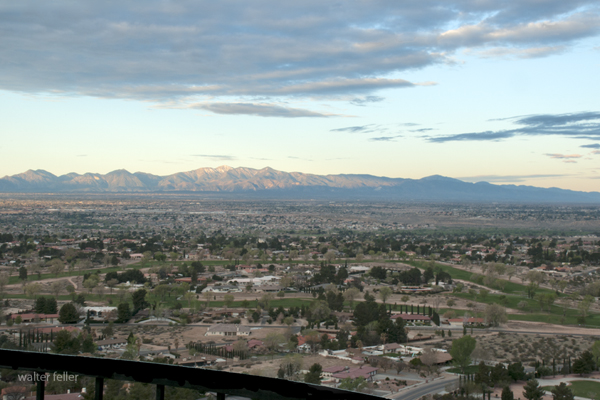
Today, desert populations are not uniform. In places like Victorville and Apple Valley, people of many types coexist, often with very different relationships to the land.

These include:

  • Long-time residents with inherited knowledge
  • Commuters tied to outside economies
  • Logistics and warehouse workers are connected to national systems
  • Retirees seeking space and climate
  • Recreational users (off-roaders, hikers, tourists)
  • Preservation-focused individuals
  • Developers and energy interests

These groups do not share a single understanding of what the desert is.

Modern traits tend to include:

  • Reduced dependence on local ecological knowledge
  • High mobility and population turnover
  • Identity is shaped by lifestyle rather than landscape
  • Fragmented sense of place

The desert person is no longer one type. It is a mix of overlapping roles.


5) Structural shift: From land-taught to system-supported

The core change can be stated clearly:

Desert people moved from being shaped by the land to being supported by systems that buffer them from it.

Earlier conditions:

  • Knowledge was necessary for survival
  • Mistakes had immediate consequences

Modern conditions:

  • Infrastructure absorbs risk (water systems, roads, services)
  • Direct knowledge of the land is no longer required for daily life

This shift did not remove the desert’s influence, but it reduced its direct control over behavior.


6) Continuities: What has not disappeared

Some traits persist where the desert still exerts pressure:

  • Toughness and endurance
  • Independence and skepticism of outside control
  • Improvisation under constraint
  • Strong attachment to space and openness

These qualities remain evidence of the older desert character, still present beneath modern conditions.


7) Cultural consequence: A divided meaning of the desert

The modern desert holds multiple meanings at once:

  • Home
  • Opportunity
  • Hardship
  • Scenery
  • Memory
  • Resource

Because people no longer depend on the land in the same way, they no longer share a single desert identity.


Bottom line

Desert people evolved through three broad stages:

  • Land-taught inhabitants shaped by necessity and knowledge
  • Transitional builders and workers balancing constraint and control
  • Modern system-supported populations living within a layered infrastructure

The deeper shift is this:

from direct dependence on the land
to mediate life within systems built across it

But the underlying desert remains unchanged, and it still quietly determines what is possible

The Waning Character of the Victor Valley: A Reflection on Change

Introduction:

The Victor Valley, once known for its vibrant character and idyllic charm, has witnessed a gradual decline in its unique essence over the years. Let us examine the factors contributing to the waning character of the Victor Valley and reflect upon the changes that have shaped its present state.

The Historical Significance:

The Victor Valley has a rich history, deeply rooted in the California Gold Rush and the railroad system development. These historical events played a pivotal role in shaping the valley’s character, attracting settlers, prospectors, and entrepreneurs seeking opportunities. The region blossomed with small communities, bustling industries, and a strong sense of community.

Urbanization and Economic Shifts:

Over time, the Victor Valley has undergone significant urbanization and economic shifts, which have profoundly impacted its character. With the expansion of cities and towns, vast open spaces have been replaced by commercial developments and residential neighborhoods. This rapid growth has led to a loss of natural beauty and a decline in historical landmark preservation.

Furthermore, economic changes have influenced the character of the Victor Valley. The decline of traditional industries, such as agriculture and mining, has resulted in a shift towards a service-based economy. While this has brought economic stability and employment opportunities, it has also contributed to a loss of the valley’s unique identity as small businesses struggle to compete with larger corporate chains.

Cultural Shifts and Loss of Community Spirit:

Another significant factor contributing to the waning character of the Victor Valley is the cultural shifts experienced by its residents. As the valley has become more diverse, the sense of community and shared values that once defined its character has diminished. People are now more connected virtually than physically, and the traditional community spirit has given way to individualism and isolation.

The Impact of Modernization:

The advent of modern technology and social media has further eroded the character of the Victor Valley. The constant connectivity and virtual interactions have replaced face-to-face communication, making it harder for residents to connect and engage with each other. The valley’s unique charm, once fostered by personal connections and local events, now struggles to compete with the allure of the digital age.

Preserving the Victor Valley’s Character:

Despite Victor Valley’s challenges, there is hope for preserving its character. Community-driven initiatives, historical preservation efforts, and a renewed focus on local businesses can help restore the valley’s identity. By embracing sustainable development practices and promoting cultural events celebrating the valley’s heritage, residents and local authorities can work together to attempt to revive the character that once defined the Victor Valley.

Conclusion:

The waning character of Victor Valley reminds us of the ever-changing nature of our society. The forces of urbanization, economic shifts, cultural changes, and technological advancements have left an indelible mark on the valley’s identity.