Nature
Nature is the living and physical world: plants, animals, landforms, weather, water, soil, and the natural processes that shape them. In the Mojave Desert, rainfall, temperature, elevation, wind, and water determine where life can grow and survive.Water
Water is scarce in the Mojave Desert. Rain may fall only a few times each year, but seasonal storms, springs, seeps, washes, and groundwater support much of the region's plant, animal, and human life.Geology
The Mojave Desert was shaped over millions of years by moving faults, volcanic activity, erosion, wind, and water. Its mountains, valleys, dry lakes, canyons, mineral deposits, and exposed rock layers tell the story of an ancient and still changing landscape.Environment & Ecology
The Mojave is shaped by dry air, strong sunlight, wind, changing temperatures, and limited rainfall. Its ecology is the relationship between the land, climate, water, plants, animals, and people who live here.Wildlife
Desert wildlife includes insects, reptiles, birds, and mammals adapted to heat, cold nights, and long dry periods. Many find shelter underground, are active during cooler hours, or depend on small sources of food and water.Plants
Mojave plants survive by conserving water, growing deep or widespread roots, shedding leaves during drought, or waiting as seeds until favorable weather returns. Their flowers, seeds, and shelter support the desert food web.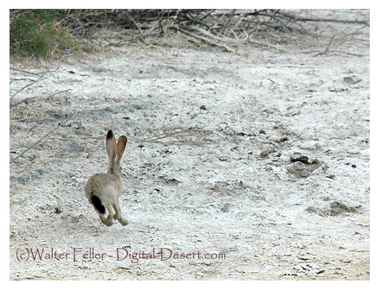
Wildlife
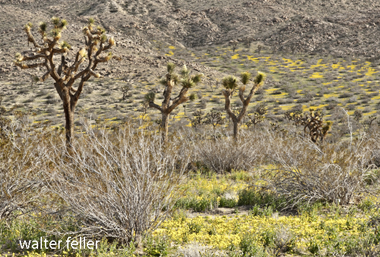
Plants
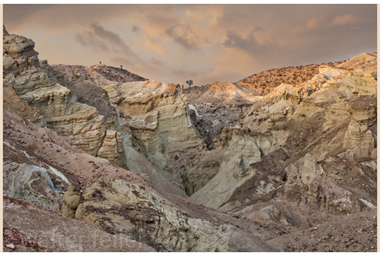
Geology