Desert Parks, Forests & Public Lands
The desert is shaped as much by its protected lands as by its towns, roads, and mines. National parks, forests, preserves, wildlife refuges, wilderness areas, and local parks protect remarkable landscapes ranging from high mountain forests and ancient bristlecone pines to dry lakebeds, volcanic fields, spring-fed wetlands, and deep desert canyons.These places offer room to explore, learn, and simply be outdoors. Some are well-known destinations with paved roads and visitor services; others require preparation, respect for distance and weather, and a willingness to travel slowly. Together, they preserve much of the natural character, wildlife, geology, and human history of the desert West.
National Parks, Preserves & Other Areas
National parks, preserves, and other protected areas safeguard some of the desert West's most remarkable landscapes. They range from Joshua tree woodlands and deep valleys to river canyons, high plateaus, mountains, and vast open desert, preserving natural scenery, wildlife habitat, and places of long human history.Joshua Tree - Death Valley - Lake Mead - Mojave National Preserve - Red Rock Canyon NCA (Nevada) - Grand Canyon - Yosemite - Zion
National Forests
National forests include much of the mountain country along the Mojave Desert's edge. Their forests, watersheds, high-elevation trails, and campgrounds offer a cool-season contrast to the open desert while protecting wildlife habitat and the headwaters of important desert streams.San Bernardino National Forest - Angeles National Forest - Inyo National Forest (Bristlecone Pine Forest)
National Natural Landmarks & Areas
National natural landmarks and other special areas protect distinctive features of the desert landscape. Volcanic craters, unusual rock formations, fossil beds, canyons, and ancient lake deposits help explain the natural forces that shaped the Mojave Desert.Trona Pinnacles - Rainbow Basin - Amboy Crater - Cinder Cone - Afton Canyon
National Wildlife Refuges (NWR)
National Wildlife Refuges protect important habitat for desert wildlife, especially at springs, wetlands, river corridors, and other places where water supports a rich variety of plants and animals. These refuges provide shelter for resident and migratory birds, fish, reptiles, mammals, and rare species found nowhere else.Ash Meadows - Havasu
National Historic Highways
National historic highways carried travelers, settlers, freight, and commerce across the desert during the early automobile age. Route 66 and the National Old Trails Road followed practical routes between water, rail centers, passes, and growing communities, helping to shape many of the towns and roadside places that remain today.Route 66 - National Old Trails Road
Wilderness Areas
Wilderness Areas protect some of the most remote and least-developed country in the Mojave Desert. These public lands preserve broad valleys, rugged mountains, dry lakes, dunes, canyons, and wildlife habitat with few roads and little permanent development. They offer opportunities for solitude, hiking, camping, photography, and quiet exploration while protecting the natural character of the desert for the future.State and County Parks, Reserves and Recreation Areas
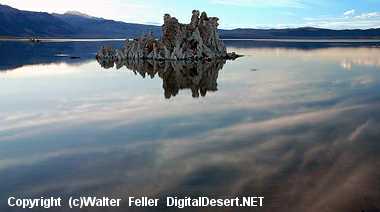
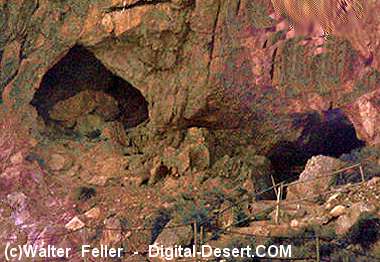
State and county parks, reserves, and recreation areas protect many of the desert's most accessible natural and historic places. They include canyons, lakes, volcanic landscapes, desert woodlands, historic forts, mining towns, and places for hiking, camping, picnicking, and learning about the region.Big Morongo Canyon - Red Rock Canyon (California) - Mitchell Caverns - Saddleback Butte - California State Poppy Reserve - Fort Tejon - Ripley Desert Woodland - Valley of Fire (Nevada) - Mono Lake Tufa State Reserve - Bodie State Park - Calico Ghost Town County Park - Devil's Punchbowl County Park - Hualapai Mountain Park - Silverwood Lake SRA - Vasquez Rocks - Mojave Narrows
 -
-