Victor Valley Timeline

Combined timelines of Victorville, Hesperia & Apple Valley, CA.


Pre-1800s: Indigenous Presence and Trade

  • The Serrano and Vanyume tribes lived along the Mojave River, relying on the river’s intermittent flow for food and trade.
  • Trails used by these tribes would later become parts of the Mojave Road, Old Spanish Trail, and Salt Lake Road.

1850s–1870s: Pioneer Waystations and Early Ranching
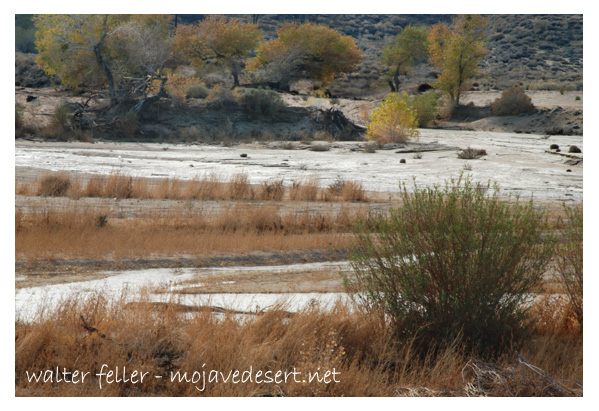
  • 1858Aaron G. Lane establishes Lane’s Crossing on the Mojave River (present-day Oro Grande/Victorville area), offering rest and resupply to travelers heading west.
  • Lane is considered the first permanent American settler along the Mojave River.
  • Summit Valley, near present-day Hesperia, sees increased grazing by early ranchers.
  • The Summit Valley Massacre (1866): A conflict between settlers and Native groups over livestock thefts and land disputes—an often overlooked but significant local tragedy.
1880s: Railroads and Town Foundations

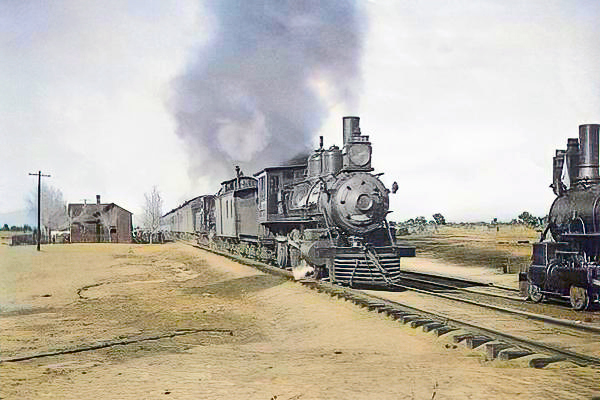
  • 1885: The California Southern Railroad, part of the Atchison, Topeka and Santa Fe system, reaches the High Desert.
  • A telegraph and railroad station named Victor is established, later renamed Victorville in 1901 to avoid confusion with Victor, Colorado.
  • Jacob Nash Victor, the railroad manager, is the town’s namesake.
  • The Hesperia Land and Water Company, led by James G. Howland, promotes Hesperia. It lays out plans for an agricultural colony and resort town, though irrigation plans fall short.

1900s–1930s: Modest Growth and Agriculture
  • Hesperia experiments with vineyards, orchards, and dairy farms, but water shortages and harsh conditions hinder success.
  • Victorville grows as a railroad shipping center and stopover for travelers crossing the desert.
  • The Victor Elementary School District is formed in 1906.
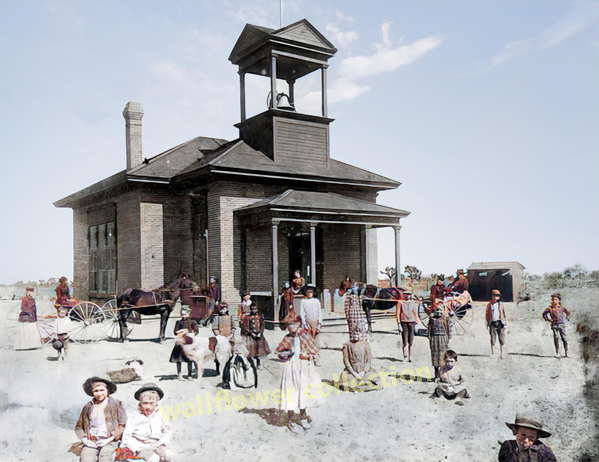
  • Early buildings still visible include the Hesperia Schoolhouse (Main St. and C Ave.).

1940s: War Changes Everything

  • 1941Victorville Army Airfield (later George Air Force Base) is established on the western edge of Victorville.
  • The base brings thousands of military personnel, rapid infrastructure growth, and federal investment.
  • Apple Valley remains mostly desert ranchland, but interest grows due to its mild climate and open space.

1948–1950s: Apple Valley Booms
  • 1948Apple Valley Inn opens, built by Newt Bass and Bud Westlund to attract investors and wealthy land buyers.
  • Stars like Bob HopeMarilyn MonroeJohn Wayne, and President Eisenhower stayed at the inn.
  • Murray’s Dude Ranch (founded earlier, 1920s–30s): One of the few Black-owned resorts in the country. It hosted African American guests during segregation and was used in Black-cast Western films.
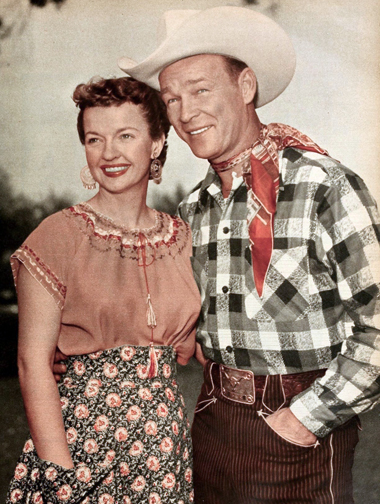
  • Roy Rogers and Dale Evans purchase a ranch in Apple Valley and become its most notable residents, eventually opening Roy Rogers’ Apple Valley Inn.

1950s–1960s: Expansion and Identity
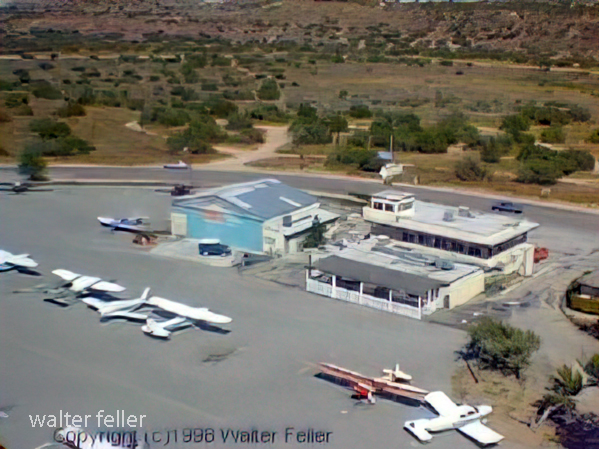
  • Hesperia Inn and the Hesperia Golf & Country Club try to rekindle resort dreams. Jack Dempsey, the former boxing champion, lends his name to a museum at the inn.
  • Victorville grows with new housing and infrastructure to support the military population.
  • Route 66 runs right through Old Town Victorville, lined with diners, motels, and neon signs.

1970s–1980s: Steady Growth and Cultural Legacy
  • Apple Valley becomes a desirable retirement destination, marketing itself as a “Better Way of Life.”
  • Civic leaders like Bud Westlund and Newton Bass help shape the town’s modern layout and community services.
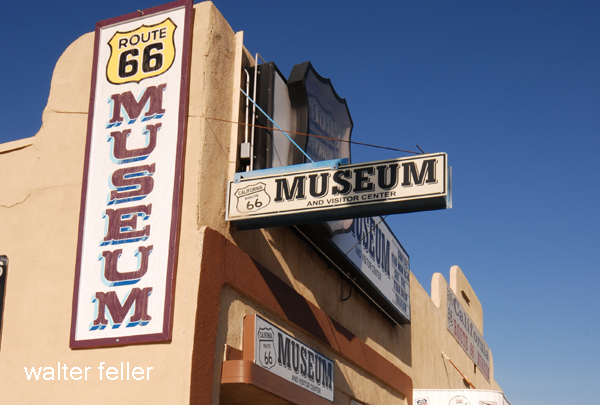
  • The California Route 66 Museum opens in Victorville in a former café, preserving the highway’s local legacy.

1992–2000s: Transformation and Reinvention

  • 1992George Air Force Base closes under federal military restructuring, dealing a blow to Victorville’s economy.
  • The base is repurposed into Southern California Logistics Airport (SCLA), an international freight and aerospace hub.
  • Apple Valley, Hesperia, and Victorville begin to urbanize, growing into commuter towns for the Inland Empire and the Los Angeles area.

2000s–Present: Modern Challenges and Historic Preservation

  • Victor Valley College, founded in 1961, continues to serve the region.
  • Old Town Victorville Revitalization Project aims to preserve the historic downtown.
  • Apple Valley promotes its Western heritage through the Happy Trails Highway and events honoring Roy Rogers and Dale Evans.
  • Hesperia Lake ParkSilverwood Lake, and local trails draw new visitors and recreation seekers.

The Evolution of Muroc: From Desert Wasteland to Aviation and Racing Hub

Geological and Environmental Background

Pleistocene Era (circa 2.5 million years ago) The origins of Rogers Dry Lake, located in the Antelope Valley within the Mojave Desert, trace back to the Pleistocene Era, around 2.5 million years ago. As a pluvial lake, it boasts an incredibly flat, smooth, and hard surface, which can withstand pressures up to 250 psi. These unique geological characteristics made Rogers Dry Lake a natural choice for aviation and automotive speed trials. Covering approximately 65 square miles, the lakebed forms a rough figure eight and is known for its harsh climate, experiencing extreme temperatures, violent dust storms, and mesmerizing sunsets.

Early Settlement and Development

Pre-1876: Sparse Population and Railroad Expansion Before significant settlement, the area was primarily inhabited by occasional prospectors searching for mineral wealth. The Southern Pacific Railroad established a water stop near the lakebed in 1876. In 1882, the Santa Fe Railroad extended westward from Barstow toward Mojave, establishing another water stop at the edge of what was then called Rodriguez Dry Lake. By the early 1900s, the name “Rodriguez” had been anglicized to “Rogers.”

1910: The Corum Family and the Founding of Muroc In 1910, the Corum family settled at the lakebed, naming the area “Muroc” by reversing their last name after their original choice, “Corum,” was rejected due to its similarity to “Coram, California.” The Corum family established a general store and post office, attracting other homesteaders and helping to develop the area. Their efforts laid the foundation for what would become a significant site in both aviation and automotive history.

Early Racing Events

1920s: The Dawn of Speed Events Muroc Dry Lake became a prominent site for American Automobile Association (AAA) sanctioned speed events during the 1920s. The affordability and modifiability of the Model T made it the preferred vehicle for early hot rodders. Roadsters were favored among racers, but touring cars were also frequently raced. In May 1923, Joe Nikrent set a speed record of 108.24 miles per hour in a stripped-down Buick. The following year, Tommy Milton achieved 151.26 mph in a Miller-powered race car. In 1927, Frank Lockhart reached a speed of 171 miles per hour, further cementing Muroc’s reputation as a premier racing venue.

October 9, 1927: Southern California Champion Sweepstakes One of the most significant early racing events was the Southern California Champion Sweepstakes, held on October 9, 1927. Organized by Earl Mansell from Pasadena, California, the event featured five classes of competition:

  1. Ford Roadsters: Open to any Ford roadster with or without fenders or windshields, requiring a hood and turtle deck.
  2. Ford Coupes: Required fenders, hood, windshield, and doors.
  3. Ford Touring Cars: Fenders and windshields were optional.
  4. Special Flathead Race: Open to any body style with a flathead engine, offering refunded entry fees to winners of the previous events.
  5. Championship Sweepstakes: Open to any roadster, coupe, or touring car, with the option to race without windshield or fenders.

Organized Racing and the SCTA

1931: The First Organized Speed Trials In 1931, one of the first known organized amateur speed trials took place at Muroc, sponsored by Gilmore Oil Company of Los Angeles and organized by George Wight, owner of Bell Auto Parts. Recognizing the need for coordinated rules and regulations, Wight invited hot rodders to an organizational meeting in East Los Angeles. Early rules categorized cars based on engine types, including Model T flatheads, Model T Rajos, Model T Frontenacs and Chevrolets, Model A flatheads, and Model A overhead valve conversions. Supercharged cars were not allowed to compete. The first organized meet was held on March 25, 1931, followed by another on April 19, 1931. Safety measures were implemented, such as a 40 mph speed limit for returning cars and penalties for jumping the start.

Formation of the Muroc Racing Association By the end of 1931, the Muroc Racing Association was formed, complete with officers and a race program. The association collected a one-dollar entry fee to cover expenses, and the Purdy Brothers developed an electrical timer to clock the cars’ speeds, further formalizing the events.

1932-1933: Changes in Classification In 1932, the trials continued under the same rules, but significant changes in car classification were introduced. Cars were now categorized as either stock-bodied or modified. Stock-bodied cars could have certain parts removed, while modified cars were significantly altered. Between the 1932 and 1933 seasons, classifications shifted to speed and body type, with new classes based on potential top speeds. This change aimed to ensure fairness and safety, with measures like painting speedometers with white shoe polish to prevent drivers from knowing their exact speed.

Military Establishment and World War II

September 1933: The Arrival of the Army In 1933, the United States Army arrived at Muroc, recognizing the lakebed’s potential as an airfield. The Muroc Bombing and Gunnery Range was established, and by 1937, the United States Army Air Corps set up Muroc Air Field for training and testing purposes.

World War II and the Establishment of Muroc Army Air Base During World War II, Muroc Army Air Base was activated, serving as a major training site for bomber crews and fighter pilots. The flat, hard surface of Rogers Dry Lake was ideal for aircraft testing, including early jet planes like the Bell XP-59A and the Lockheed XP-80. On October 1, 1942, the Bell XP-59A Airacomet, America’s first jet plane, made its first flight at Muroc. The base played a crucial role in the war effort, training crews and testing new aircraft.

Post-War Developments After the war, Muroc continued to be a central hub for aviation research and development. The Bell X-1, piloted by Capt. Charles E. “Chuck” Yeager, broke the sound barrier on October 14, 1947, marking a significant milestone in aviation history. The base was renamed Edwards Air Force Base in February 1948 in honor of Capt. Glen W. Edwards, who died in a test flight accident. By 1950, Edwards Air Force Base was officially dedicated and recognized as the U.S. Air Force Flight Test Center (AFFTC).

The Hot Rodding Era

Post-War Racing and El Mirage The end of World War II marked a transition from racing activities at Muroc to El Mirage, another dry lakebed south of the air base. While El Mirage was not as ideal as Muroc, it continued to host hot rodding events. The SCTA (Southern California Timing Association) organized several “reunion” races at Muroc in 1995, bringing together a generation of racers who had participated in early SCTA events. However, racing activities at Muroc were halted following the events of September 11, 2001, due to security concerns.

Legacy and Continued Significance

Aviation and Hot Rodding Heritage Muroc’s dual legacy as a pioneering site for both aviation and hot rodding remains significant. Edwards Air Force Base continues to be a premier flight testing center, contributing to numerous advancements in aerospace technology. Meanwhile, the early days of hot rodding at Muroc are fondly remembered by enthusiasts and are considered a foundational period in the history of American motorsports.

Current Status and Future Prospects While racing activities at Muroc have ceased, El Mirage remains an active site for hot rodding events. The SCTA continues to organize races, preserving the spirit and tradition of early speed trials. There is hope that, in the future, Muroc might once again host racing events, allowing the sands to echo with the sounds of high-speed automotive competition.

In conclusion, Muroc’s history is a testament to its unique geographical features and its adaptability, serving as a critical site for both military aviation and automotive racing. The integration of these diverse historical elements highlights Muroc’s significant contribution to American technological and cultural heritage.