Beginning photographers are drawn to cemeteries because they offer strong subjects without needing access, models, money, or complicated logistics.
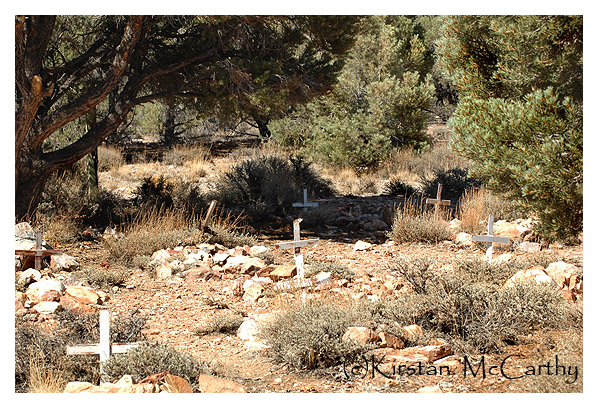
A cemetery gives a novice several useful things at once: quiet, stillness, interesting light, readable shapes, texture, inscriptions, age, symbolism, and emotion. The subject does not move, so the photographer can slow down and practice composition, focus, depth of field, close-ups, shadows, and framing. Headstones, fences, trees, paths, statues, flowers, flags, and weathered surfaces naturally create visual structure.
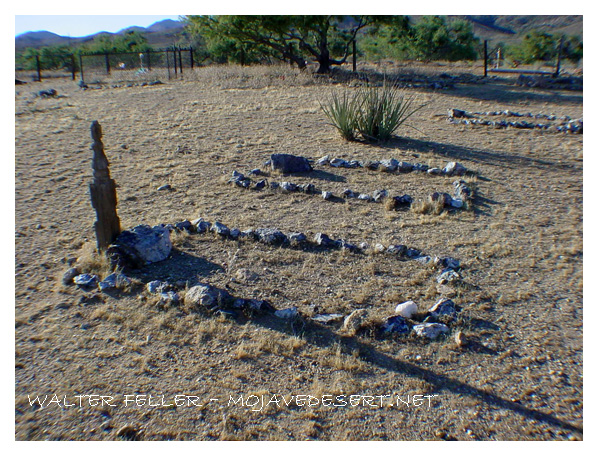
They also feel meaningful. A beginner often wants photographs to say something, not merely show something. Cemeteries come preloaded with themes: memory, loss, time, ancestry, mystery, abandonment, faith, and neglect. That can make the pictures feel more profound than the photographer’s technical skill can yet produce elsewhere.
There is also a long-standing romantic and gothic pull. Old cemeteries provide atmosphere: leaning stones, carved angels, iron gates, winter grass, late-afternoon light. They can look dramatic even when photographed simply.
But that is also the trap. Cemetery photography can become easy symbolism: a broken stone, a skull, an angel, a name, a sunset. The best work usually goes beyond mood. It notices evidence: who is buried there, how the graves are arranged, what materials were used, which names repeat, which markers are cared for, which are forgotten, and what the cemetery says about the community around it.
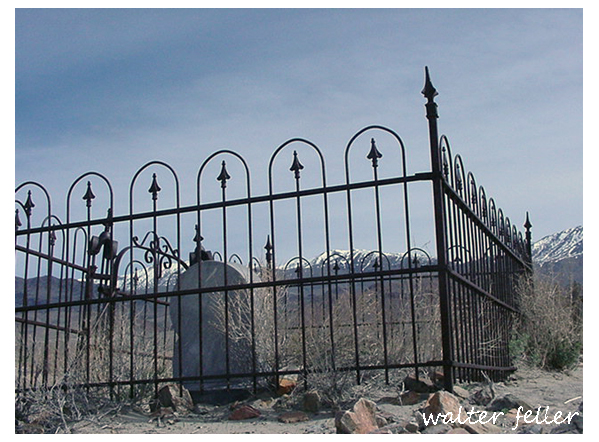
So beginners are drawn to cemeteries because cemeteries are accessible, patient, visually rich, emotionally charged, and historically layered. They make it easier to feel that a photograph has weight.
–