Saying Something

Beginning photographers are drawn to cemeteries because they offer strong subjects without needing access, models, money, or complicated logistics.
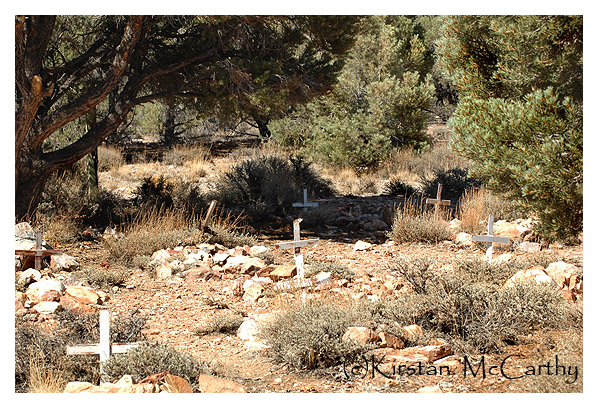
A cemetery gives a novice several useful things at once: quiet, stillness, interesting light, readable shapes, texture, inscriptions, age, symbolism, and emotion. The subject does not move, so the photographer can slow down and practice composition, focus, depth of field, close-ups, shadows, and framing. Headstones, fences, trees, paths, statues, flowers, flags, and weathered surfaces naturally create visual structure.
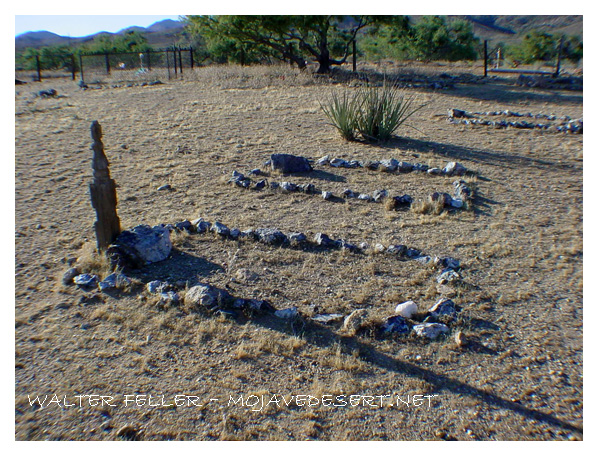
They also feel meaningful. A beginner often wants photographs to say something, not merely show something. Cemeteries come preloaded with themes: memory, loss, time, ancestry, mystery, abandonment, faith, and neglect. That can make the pictures feel more profound than the photographer’s technical skill can yet produce elsewhere.
There is also a long-standing romantic and gothic pull. Old cemeteries provide atmosphere: leaning stones, carved angels, iron gates, winter grass, late-afternoon light. They can look dramatic even when photographed simply.

But that is also the trap. Cemetery photography can become easy symbolism: a broken stone, a skull, an angel, a name, a sunset. The best work usually goes beyond mood. It notices evidence: who is buried there, how the graves are arranged, what materials were used, which names repeat, which markers are cared for, which are forgotten, and what the cemetery says about the community around it.
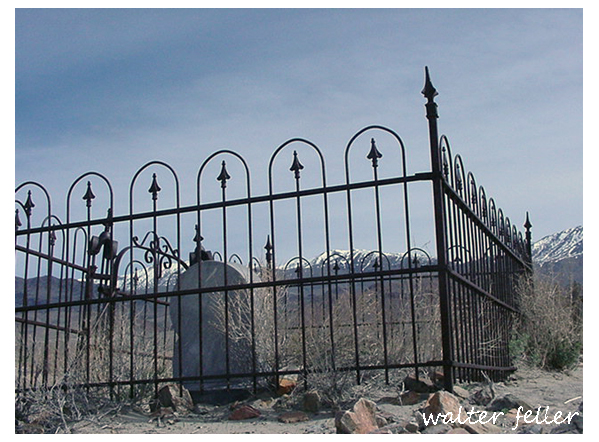
So beginners are drawn to cemeteries because cemeteries are accessible, patient, visually rich, emotionally charged, and historically layered. They make it easier to feel that a photograph has weight.

Petroglyphs, Pictographs, and Geoglyphs in the Mojave Desert

/petroglyphs/

The Mojave Desert, located in the southwestern United States, is rich in cultural and historical significance, with evidence of human habitation dating back thousands of years. Petroglyphs, pictographs, and geoglyphs are among the archaeological features found in the Mojave Desert, offering glimpses into the region’s past.

Here’s a brief overview of each:

  1. Petroglyphs:
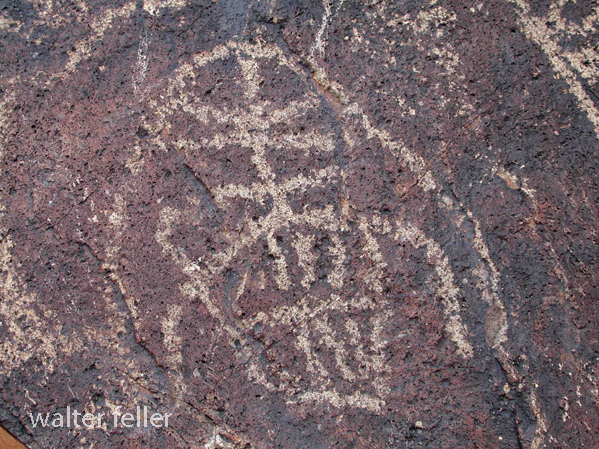
    • Petroglyphs are rock engravings created by carving or pecking into the surface of a rock.
    • They are often found on exposed rock surfaces, such as canyon walls or large boulders.
    • Petroglyphs in the Mojave Desert can depict various symbols, animals, human figures, and abstract designs.
    • Native American communities made these carvings as a form of communication, storytelling, or spiritual expression.
  2. Pictographs:
    • Pictographs are rock art created by applying pigments to the surface of rocks. These pigments are usually composed of natural materials like plant extracts or mineral pigments.
    • Pictographs are found on rock shelters, caves, and cliff faces, often in areas with some protection from the elements.
    • Like petroglyphs, pictographs in the Mojave Desert can represent various subjects, including humans, animals, and symbolic patterns.
    • The pictograph colors can include red, black, white, and yellow, with red being a common choice.
  3. Geoglyphs:
    • Geoglyphs are large designs or motifs created on the ground’s surface, often by arranging stones or altering the landscape’s natural features.
    • While geoglyphs are more commonly associated with other regions like the Nazca Lines in Peru, there are examples of geoglyphs in the Mojave Desert as well.
    • The Blythe Intaglios, located in the lower Colorado River valley near Blythe, California, is a notable example of geoglyphs in the Mojave Desert. These large human and animal figures were created by scraping away dark rocks to reveal the lighter soil beneath.

Preservation of these cultural artifacts is crucial, and many sites are protected to prevent vandalism and degradation. Researchers and archaeologists work to study and document these features, shedding light on the history and practices of the indigenous peoples who lived in the Mojave Desert. It is important visitors respect and avoid disturbing these archaeological sites to ensure their preservation for future generations.