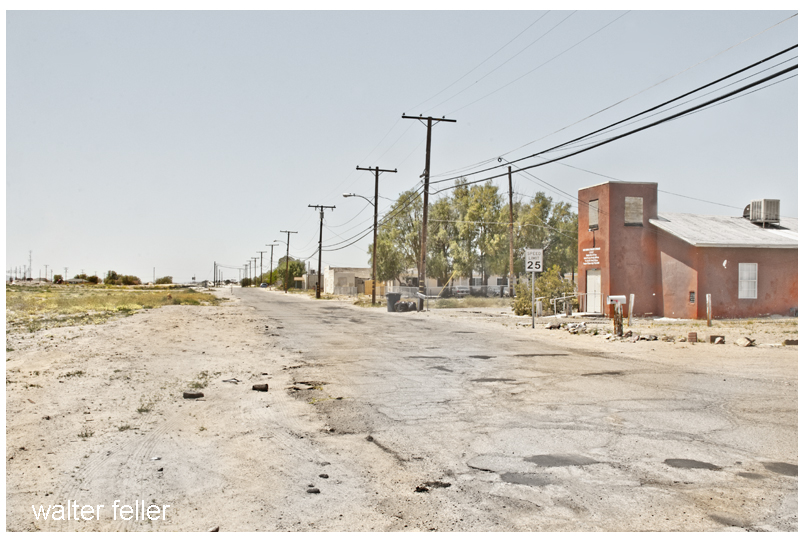
Crooks Avenue lies northwest of the Casa del Desierto, in the narrow district between the railroad yard, North First Avenue, and the Mojave River. Though small, it belongs to an important part of Barstow’s history: the working ground around the depot.
The Casa del Desierto opened in 1911 as a Santa Fe depot and Harvey House. For many years, it served railroad passengers, workers, residents, and desert travelers. The first depot-hotel project included a recreation and lodging building for railroad employees. At the same time, the railroad realigned and raised its tracks, changing the grade and shape of the surrounding ground.
Crooks Avenue developed beside this railroad center rather than on Barstow’s principal commercial street. Main Street, to the south, carried the highway traffic that became Route 66. Crooks Avenue remained a local street, close to the depot, rail yard, and Mojave River, with modest homes, rental buildings, and open lots.
Its surviving buildings reflect gradual mid-twentieth-century development as Barstow continued to serve railroad families, highway travelers, and military traffic, and to support the growing desert region. The street’s character was practical rather than formal, formed by its position at the edge of the rail yard and riverbed.
Crooks Avenue is not Route 66, nor was it one of Barstow’s early commercial thoroughfares. Its value lies in what it reveals about ordinary Barstow: the side streets behind the landmark depot, where railroad work, housing, traffic, and the desert landscape converge.