Victor Valley Timeline

Combined timelines of Victorville, Hesperia & Apple Valley, CA.


Pre-1800s: Indigenous Presence and Trade

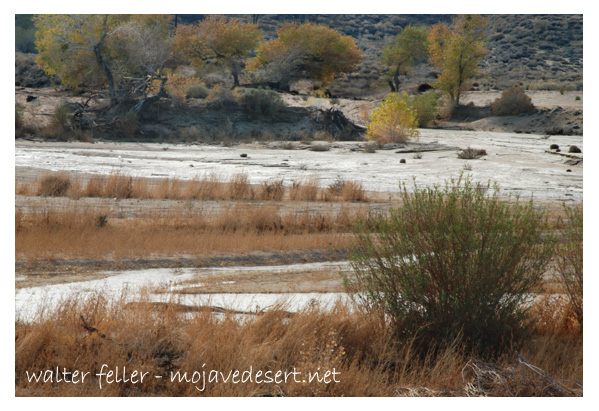
  • The Serrano and Vanyume tribes lived along the Mojave River, relying on the river’s intermittent flow for food and trade.
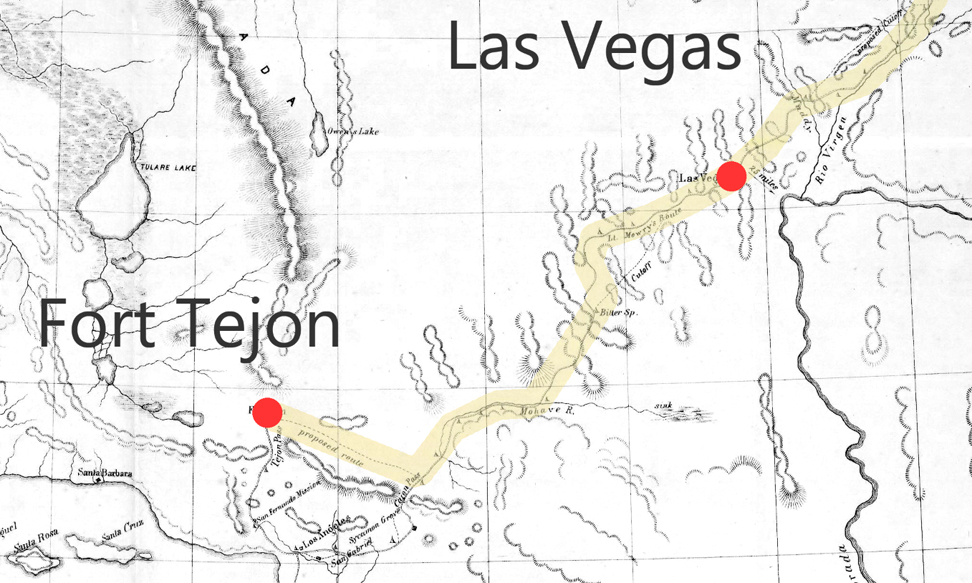
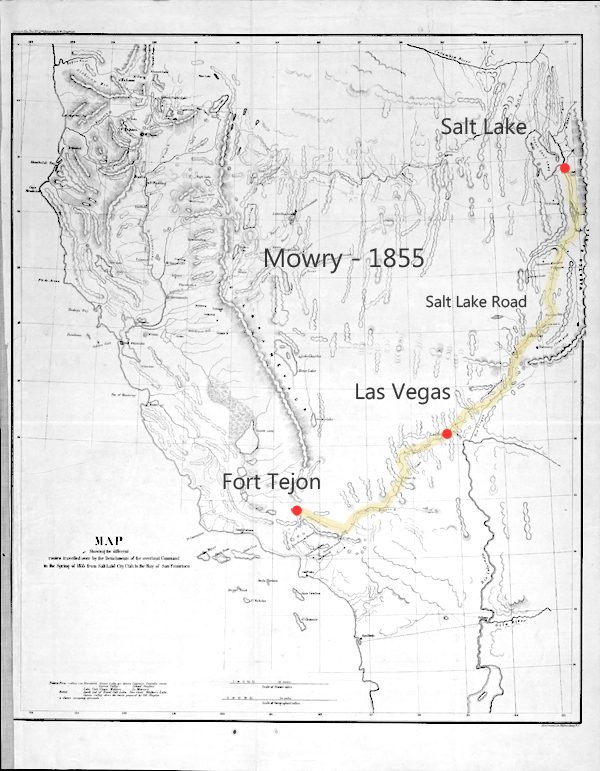
  • Trails used by these tribes would later become parts of the Mojave Road, Old Spanish Trail, and Salt Lake Road.

1850s–1870s: Pioneer Waystations and Early Ranching

  • 1858Aaron G. Lane establishes Lane’s Crossing on the Mojave River (present-day Oro Grande/Victorville area), offering rest and resupply to travelers heading west.
  • Lane is considered the first permanent American settler along the Mojave River.
  • Summit Valley, near present-day Hesperia, sees increased grazing by early ranchers.
  • The Summit Valley Massacre (1866): A conflict between settlers and Native groups over livestock thefts and land disputes—an often overlooked but significant local tragedy.

1880s: Railroads and Town Foundations

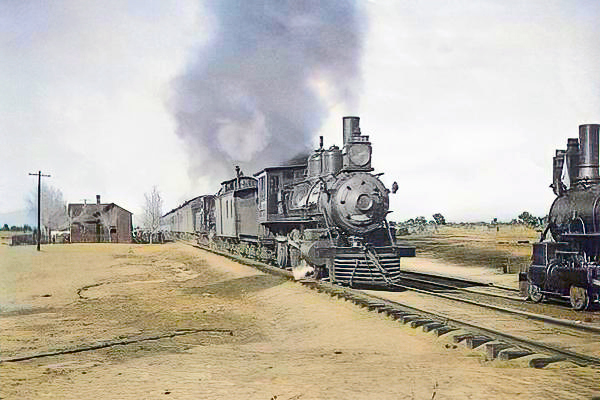
  • 1885: The California Southern Railroad, part of the Atchison, Topeka and Santa Fe system, reaches the High Desert.
  • A telegraph and railroad station named Victor is established, later renamed Victorville in 1901 to avoid confusion with Victor, Colorado.
  • Jacob Nash Victor, the railroad manager, is the town’s namesake.
  • The Hesperia Land and Water Company, led by James G. Howland, promotes Hesperia. It lays out plans for an agricultural colony and resort town, though irrigation plans fall short.

1900s–1930s: Modest Growth and Agriculture

  • Hesperia experiments with vineyards, orchards, and dairy farms, but water shortages and harsh conditions hinder success.
  • Victorville grows as a railroad shipping center and stopover for travelers crossing the desert.
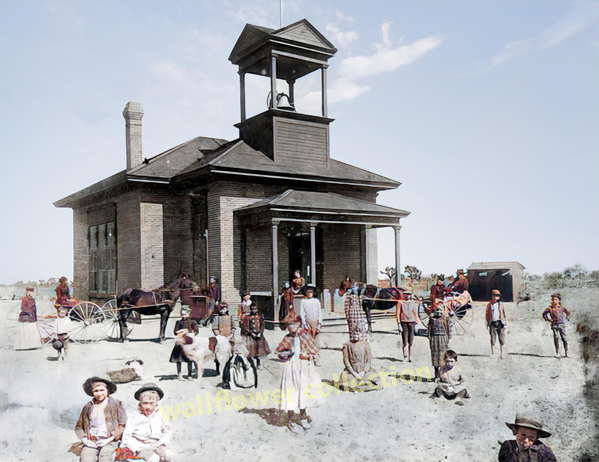
  • The Victor Elementary School District is formed in 1906.
  • Early buildings still visible include the Hesperia Schoolhouse (Main St. and C Ave.).

1940s: War Changes Everything

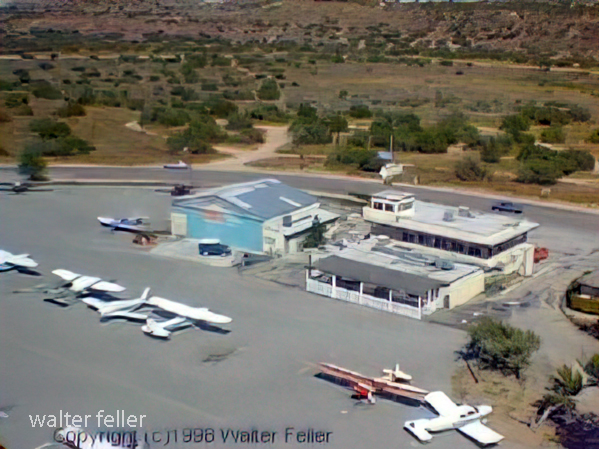
  • 1941Victorville Army Airfield (later George Air Force Base) is established on the western edge of Victorville.
  • The base brings thousands of military personnel, rapid infrastructure growth, and federal investment.
  • Apple Valley remains mostly desert ranchland, but interest grows due to its mild climate and open space.

1948–1950s: Apple Valley Booms

  • 1948Apple Valley Inn opens, built by Newt Bass and Bud Westlund to attract investors and wealthy land buyers.
  • Stars like Bob HopeMarilyn MonroeJohn Wayne, and President Eisenhower stayed at the inn.
  • Murray’s Dude Ranch (founded earlier, 1920s–30s): One of the few Black-owned resorts in the country. It hosted African American guests during segregation and was used in Black-cast Western films.
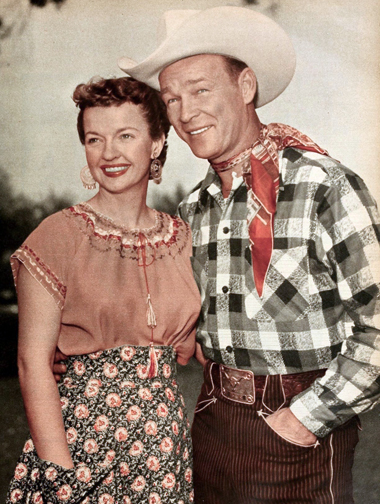
  • Roy Rogers and Dale Evans purchase a ranch in Apple Valley and become its most notable residents, eventually opening Roy Rogers’ Apple Valley Inn.

1950s–1960s: Expansion and Identity

  • Hesperia Inn and the Hesperia Golf & Country Club try to rekindle resort dreams. Jack Dempsey, the former boxing champion, lends his name to a museum at the inn.
  • Victorville grows with new housing and infrastructure to support the military population.
  • Route 66 runs right through Old Town Victorville, lined with diners, motels, and neon signs.

1970s–1980s: Steady Growth and Cultural Legacy

  • Apple Valley becomes a desirable retirement destination, marketing itself as a “Better Way of Life.”
  • Civic leaders like Bud Westlund and Newton Bass help shape the town’s modern layout and community services.
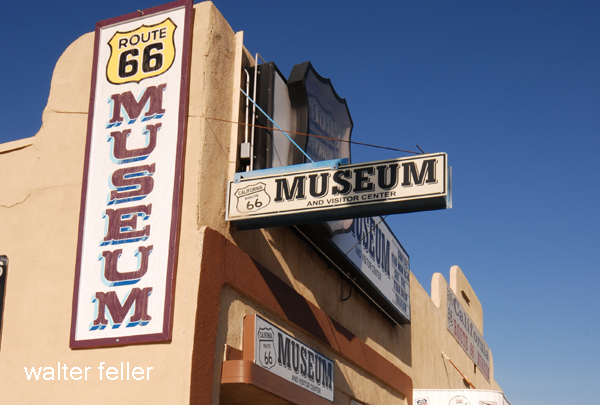
  • The California Route 66 Museum opens in Victorville in a former café, preserving the highway’s local legacy.

1992–2000s: Transformation and Reinvention

  • 1992George Air Force Base closes under federal military restructuring, dealing a blow to Victorville’s economy.
  • The base is repurposed into Southern California Logistics Airport (SCLA), an international freight and aerospace hub.
  • Apple Valley, Hesperia, and Victorville begin to urbanize, growing into commuter towns for the Inland Empire and the Los Angeles area.

2000s–Present: Modern Challenges and Historic Preservation

  • Victor Valley College, founded in 1961, continues to serve the region.
  • Old Town Victorville Revitalization Project aims to preserve the historic downtown.
  • Apple Valley promotes its Western heritage through the Happy Trails Highway and events honoring Roy Rogers and Dale Evans.
  • Hesperia Lake ParkSilverwood Lake, and local trails draw new visitors and recreation seekers.

Exercise Desert Strike, May 1964

Mojave Desert Megaphone – A Monumental Legacy

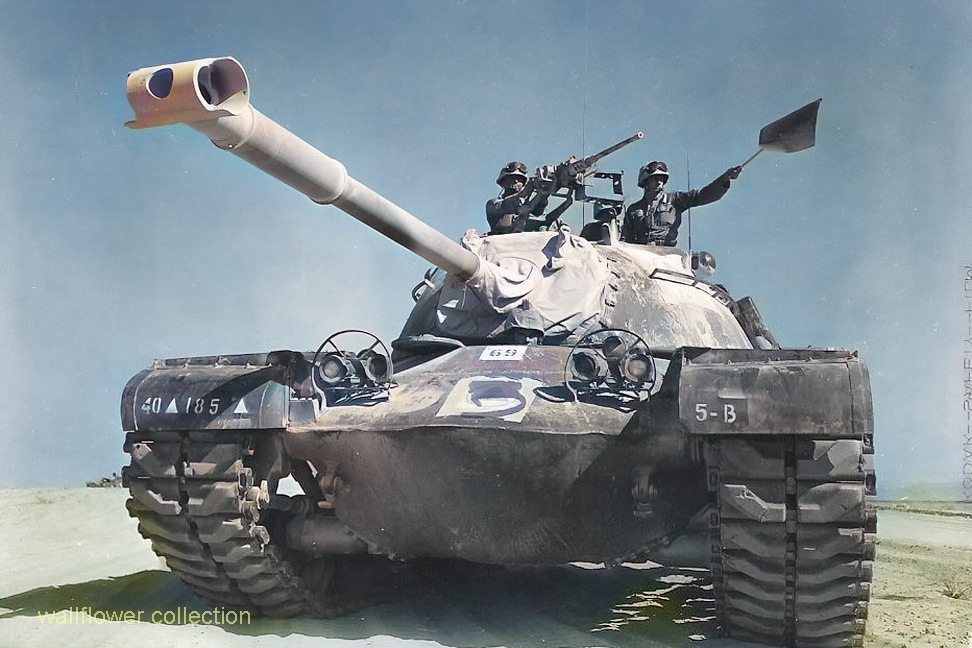
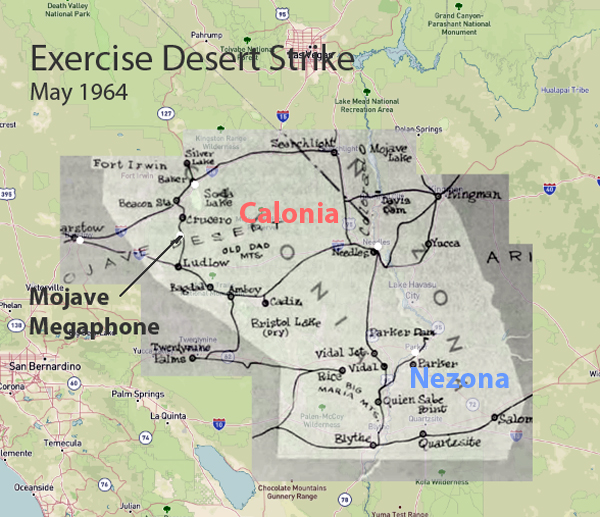
In May 1964, the United States conducted Exercise Desert Strike, one of the most extensive military exercises during the Cold War. It involved over 100,000 military personnel. The primary objectives were to evaluate operational readiness, test conventional and nuclear forces integration, and improve command and control capabilities. The exercise was carried out in multiple phases, beginning with conventional warfare tactics and escalating to simulated nuclear warfare. This tested the troops’ adaptability and response to high-stress scenarios.

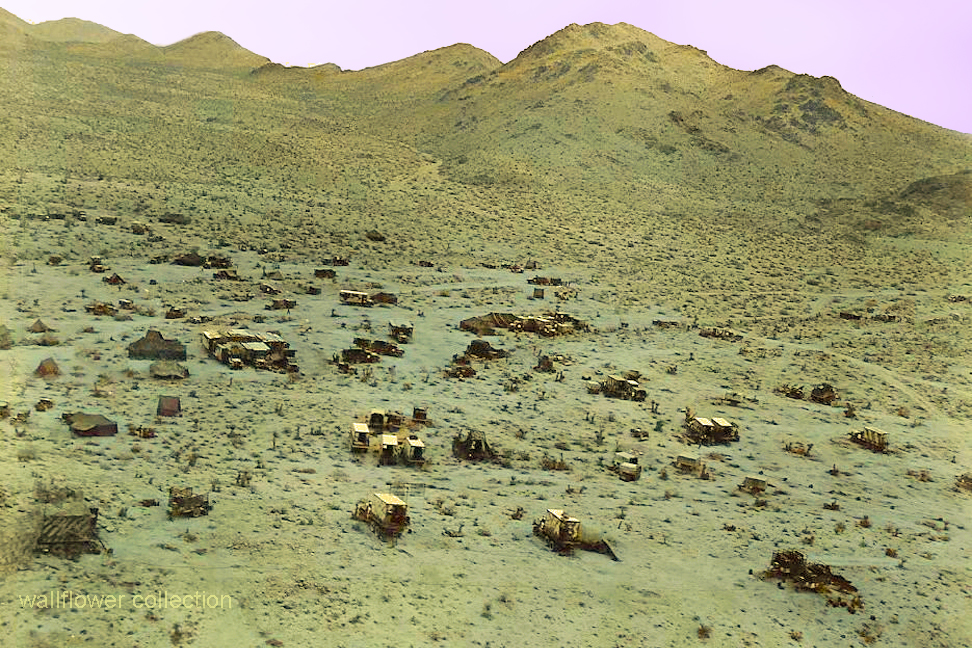
Remote Calzona CampColorized

Despite meticulous planning and rigorous training, the exercise was marred by the tragic loss of 24 men. This underscores the inherent dangers and high stakes of large-scale military operations.

Map showing war zone

Key outcomes of Exercise Desert Strike included a comprehensive assessment of the U.S. military’s strengths and weaknesses. In addition, it validated cutting-edge technologies and significantly improved communication and nuclear warfare strategies. The exercise profoundly impacted subsequent military strategies, contributing to Cold War-era defense policies and nuclear deterrence.

Exercise Desert Strike remains a crucial event in armed forces history, highlighting the importance of preparedness and realistic training in maintaining national security. This exercise’s legacy continues to influence military planning and operations, proving the critical role military exercises have in safeguarding the nation. The fatalities during the exercise are a poignant reminder of the sacrifices made to pursue military excellence and national security.

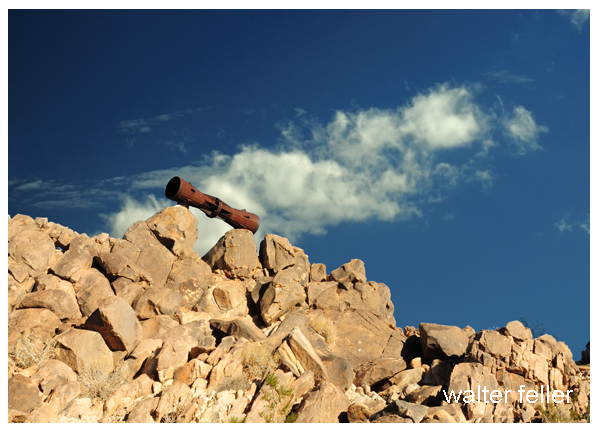
A lasting relic of this period is a megaphone mounted on a rocky hill, symbolizing Exercise Desert Strike’s monumental legacy. This relic is a powerful reminder of the sacrifices necessary to defend our beautiful country. It represents the enduring commitment to national defense and the high price of freedom. It embodies the spirit of vigilance and dedication that inspires and guides military preparedness and strategic planning today.

Click the photo for the Mojave Desert Megaphone

Mojave Desert Megaphone

Military in the Mojave

East Mojave Desert

Mojave National Preserve