Working source set:
Caballeria, History of San Bernardino Valley: From the Padres to the Pioneers, 1810-1851 – mission-era foundation, Guachama, Politana, San Bernardino naming, La Placita, Agua Mansa, and transition to Mormon settlement.
Ingersoll, Century Annals of San Bernardino County, 1769 to 1904 – detailed San Bernardino County annals, Mormon colony, county formation, pioneer memory, illustrations, local biographies, railroad/citrus/irrigation development, and the 1904 historical frame.
Brown and Boyd, History of San Bernardino and Riverside Counties, Vol. I – broader county synthesis, San Bernardino and Riverside institutional history, towns, agriculture, irrigation, transportation, mining, education, courts, and later regional development.
Master timeline using all three files:
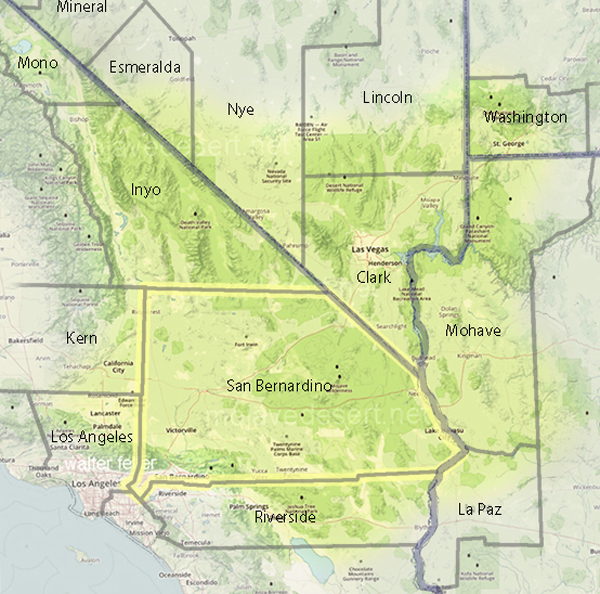
1542 – Cabrillo reaches San Diego Bay, beginning the Spanish coastal frame that Caballeria uses as background for San Bernardino Valley history. Caballeria’s table of contents begins with Cabrillo and Viscaino, then moves to the missions and San Bernardino Valley proper.
1602-1603 – Viscaino surveys the California coast and reinforces the Spanish naming pattern that later appears inland in mission-era place names.
1769 – Spanish occupation of Alta California begins under the Portola-Serra expedition. Ingersoll’s title frame begins San Bernardino County history at 1769, while Brown/Boyd and Caballeria both treat the mission system as the institutional background for the valley.
1770 – Mission San Carlos Borromeo is founded at Monterey, after which the Spanish occupation of California was considered complete in the mission narrative.
1771 – Mission San Gabriel Arcangel is founded. This becomes the parent mission for the San Bernardino Valley activity. Caballeria’s structure moves from San Gabriel directly toward Politana and the valley mission outposts.
1774-1776 – The inland Anza route makes the San Bernardino Valley part of the practical travel corridor between the Colorado River, the San Gabriel, and coastal California.
1810 – Politana is established at or near Guachama as the first Christian settlement in the San Bernardino Valley. Ingersoll places “Mission Settlements in San Bernardino County,” “Politana,” and “San Bernardino Mission Station” in his Spanish-era chapter.
1812 – Earthquakes and Native resistance disrupt the first Politana settlement. This marks the first failure of the San Gabriel mission foothold in the valley.
1820s – Mission activity resumes in the San Bernardino Valley, leading to the establishment of the San Bernardino mission station, agriculture, stock raising, and zanja irrigation works.
1830s – Secularization breaks the mission system and shifts land, labor, water, buildings, and herds toward Mexican civil and rancho control. Caballeria treats secularization, abandonment, land titles, and Mexican grants as the hinge between mission and rancho history.
1842 – Rancho San Bernardino is granted to Antonio Maria Lugo and his sons. Ingersoll also notes that the Lugos offered lands near Politana to New Mexican colonists.
July 4, 1842 – Daniel Sexton raises the American flag in San Gorgonio Pass, an early symbolic American act before formal U.S. control.
1843 – Lorenzo Trujillo and others settle at Agua Mansa, according to Ingersoll’s annals.
1845 – A second party of colonists under Jose Tomas Salazar removes from La Politana and founds Agua Mansa. Caballeria says Agua Mansa means “gentle water,” names Ignacio Moya as the first alcalde, and says Louis Rubidoux later succeeded him.
1846 – The Battle of Chino occurred during the Mexican-American War. Ingersoll places it in the Mexican-era chapter alongside Rancho Santa Ana del Chino, the San Bernardino Grant, Indian troubles, and the rancho order.
April 12, 1847 – A detachment of the Mormon Battalion is sent to establish a military post at Cajon Pass.
April 1848 – A Mormon Battalion party passes through Cajon Pass with a wagon; Ingersoll calls it the first wagon to cross that route.
1849 – Gold Rush-era movement passes through the inland route, but Caballeria notes that the San Bernardino Valley itself remained distant from the earliest gold excitement, with Mexican settlers continuing their pastoral life.
June 11, 1851 – The first Mormon party reaches Cajon Pass.
September 1851 – The Mormons purchase the San Bernardino grant. This is the hinge from Mexican rancho occupation to organized American colonization.
1852 – The Old Fort is erected; the Mormons build a grist mill and a road up Twin Creek Canyon.
1851-1852 – The Little Church of Agua Mansa is built and dedicated to San Salvador; Caballeria says its parish records preserved marriages, births, and deaths.
April 26, 1853 – San Bernardino County is separated from Los Angeles County. The townsite of San Bernardino was laid out the same year, and the Mormon Council House was erected.
April 13, 1854 – The City of San Bernardino is incorporated. The first stage of service between San Bernardino and Los Angeles began the same year.
1855 – Volunteers under Captain Andrew Lytle enter the desert in pursuit of Native raiders, highlighting continued frontier insecurity after county formation.
1856 – Conflict grows between Mormons and Independents.
1857 – The Mormon recall begins, effectively closing the Mormon colony phase. Ingersoll’s contents treat “The Recall” as part of the Mormon-era chapter.
1858 – The first Union Sunday School and first May Day picnic are recorded; the Butterfield stage route is established. Ingersoll marks this as the start of the “Between Period–1858-1875.”
1859 – The Ainsworth-Gentry fight occurs, one of the best-known local violence episodes of the post-Mormon years. Brown/Boyd describe this period as one in which Mormon-Gentile tensions, mining-camp lawlessness, Native raiding, and Civil War sentiment converged.
1860 – Gold is discovered in Bear and Holcomb valleys; the San Bernardino Herald appears as the first newspaper in the county.
1861 – A toll road through Cajon Pass is established; Camp Carleton is established on the Santa Ana River; C. W. Piercey is killed in a duel near San Rafael.
January 22, 1862 – The great flood destroys Agua Mansa. Caballeria says rain continued for fifteen days and nights, the Santa Ana became a raging torrent, and the village was washed away except for the church and Cornelius Jensen’s house. Ingersoll summarizes the event as “Agua Mansa swept away.”
1862 – The first county educational convention is held, and the first orange grove, four acres, is set out at Old San Bernardino.
1862-1868 – Flood memory becomes part of the region’s historical identity. Brown/Boyd preserve Mrs. Crafts’ account of the 1861-62 rains, describing families fleeing to higher ground, adobe houses melting, and neighbors sheltering one another.
1875-1890 – Ingersoll’s “Progression” period: agriculture, horticulture, city growth, transportation, and the boom era reshape the county.
1880s – Citrus, irrigation, railroad development, and new towns transform San Bernardino County from a former mission-rancho-frontier district into a modern agricultural and town-building region.
1890s – County consolidation continues through public buildings, horticultural organizations, transportation networks, electric power, and institutional development.
1904-1905 – Ingersoll’s Century Annals of San Bernardino County, 1769 to 1904, is prepared as a permanent county history and biographical record; one biographical note says Ingersoll began gathering data in 1898 and published after delays.
1922 – Brown and Boyd’s History of San Bernardino and Riverside Counties offers a later retrospective synthesis, folding Caballeria and Ingersoll into a broader county- and regional-history.
The combined structure is:
Spanish and mission foundation, 1542-1830s: coastal discovery, San Gabriel, Politana, San Bernardino mission station, zanja, stock, and agriculture.
Mexican rancho and New Mexican settlement, 1830s-1851: secularization, Lugo grant, La Politana, La Placita, Agua Mansa, stock protection, and Battle of Chino.
Mormon colony and county formation, 1851-1857: purchase of Rancho San Bernardino, Old Fort, townsite, county separation, incorporation, roads, mills, and the Mormon recall.
Between periods, 1858-1875: post-Mormon instability, flooding, mining, lawlessness, Civil War tensions, schools, stages, and slow recovery.
Progression and boom, 1875-1890: railroad, irrigation, citrus, Redlands, Ontario, Chino, Highland, and speculative expansion.
Modern county memory, 1890-1922: public institutions, electric power, forest reserve, county division, horticulture, biography, and the writing of formal local history.