Mojave River: A Lifeline in the Desert

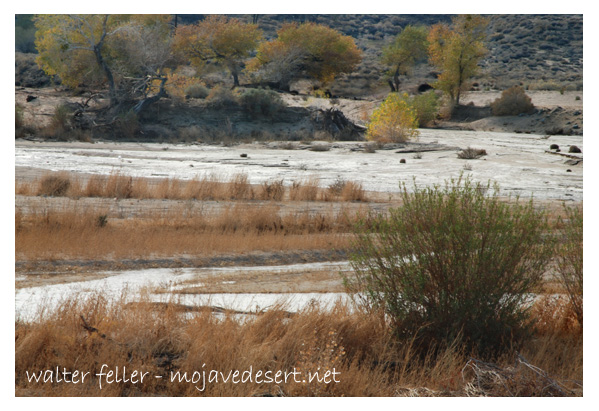
Mojave River at Lanes Crossing

Introduction:

The Mojave River, a hidden gem in the arid landscapes of California, serves as a vital lifeline in the Mojave Desert. This remarkable river spans approximately 110 miles and offers a diverse ecosystem, historical significance, and recreational opportunities for nature enthusiasts and history buffs.

Geography and Formation:
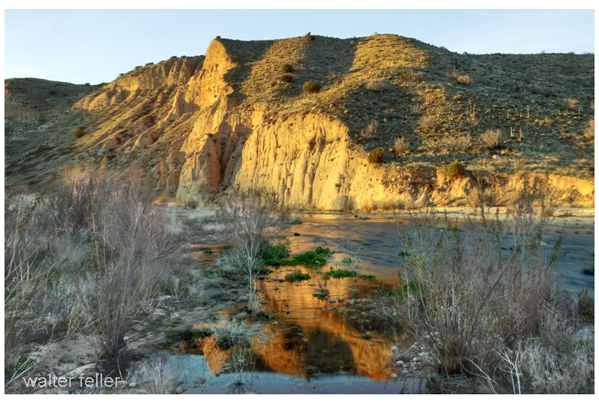
The Mojave River originates in the San Bernardino Mountains and meanders through the Mojave Desert, eventually dissipating into Soda Lake. Its path encompasses various landscapes, including rugged canyons, barren deserts, and lush riparian habitats. The river’s formation can be traced back thousands of years ago when geological processes and the ever-changing climate of the region shaped its course.

Ecological Importance:
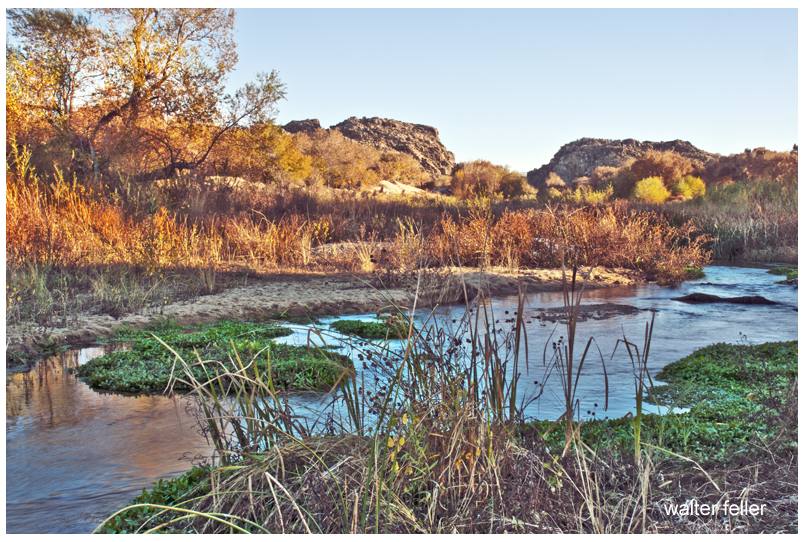
Despite the harsh Mojave Desert conditions, the Mojave River sustains a surprising array of flora and fauna. The river’s riparian zones provide an ideal habitat for a variety of plant species, such as willows, cottonwoods, and mesquite trees. These lush areas attract diverse wildlife, including birds, reptiles, and mammals, seeking refuge in this desert oasis.

Historical Significance:
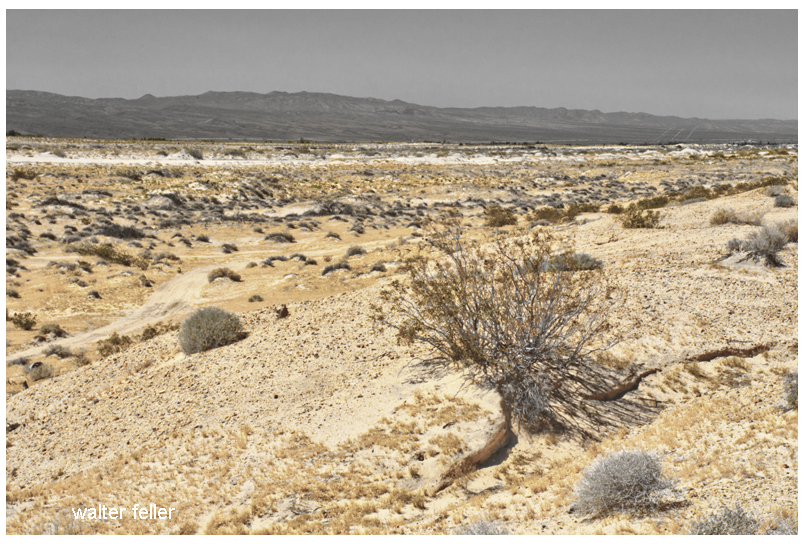
The Mojave River holds a significant place in the history of California. Native American tribes, such as the Mojave, Serrano, and Chemehuevi, once relied on the river’s resources for sustenance and survival. European explorers, including Spanish missionaries and fur trappers, ventured along its banks, leaving behind a legacy of cultural exchange and exploration.

Moreover, during the mid-1800s, the Mojave River played a crucial role in the development of the Old Spanish Trail and the Mojave Road. These historic trade routes linked the Spanish colonies of California with the eastern United States, facilitating trade and migration.

Recreational Opportunities:
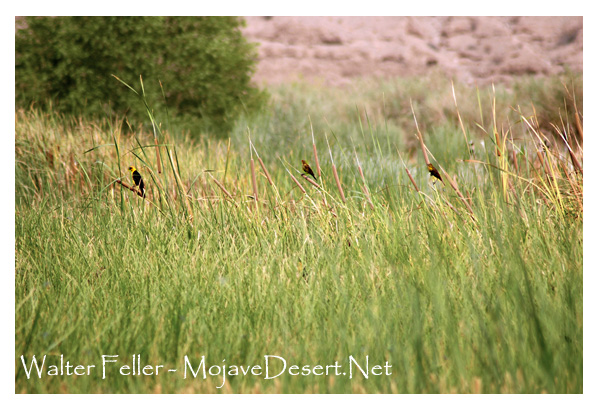
For outdoor enthusiasts, the Mojave River offers a plethora of recreational activities. Hiking trails, such as the Mojave Riverwalk Trail, provide opportunities for exploration, allowing visitors to immerse themselves in desert scenery. Camping facilities and picnic areas along the river’s banks provide the most idyllic setting for a peaceful getaway amidst nature’s tranquility.

Conservation Efforts:
Recognizing the importance of preserving this vibrant ecosystem, numerous conservation organizations and government agencies have worked to protect and restore the Mojave River. These initiatives focus on sustaining river water quality and preserving riparian habitats.

Conclusion:

The Mojave River stands as a testament to the resilience of nature in the face of adversity. Its meandering path through the Mojave Desert provides a lifeline for both wildlife and humans, offering a sanctuary amidst the arid landscapes. Whether you are a nature lover, history enthusiast, or adventure seeker, the Mojave River is a destination that promises a unique and memorable experience. So, embark on a journey to this desert oasis, and let the Mojave River captivate you with its beauty and allure.
Mojave River

Riparian Habitats

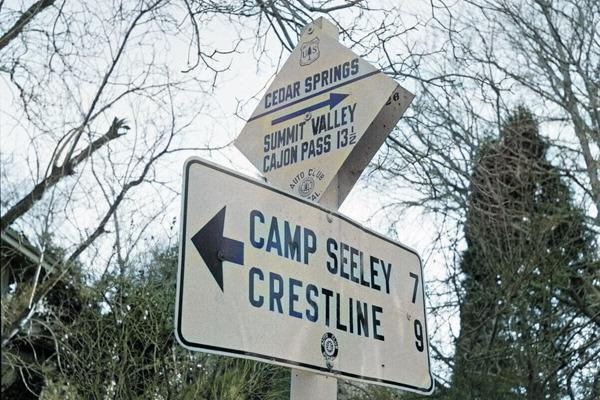
Cedar Springs

A tiny town, Cedar Springs, California, existed in the San Bernardino Mountains. Picture a quaint, peaceful village surrounded by towering trees and mountains, where residents go about their everyday routines. However, a major development occurred in the 1970s when engineers built a dam to form Silverwood Lake, resulting in the abandonment of all of Cedar Springs, which was ultimately submerged underwater.

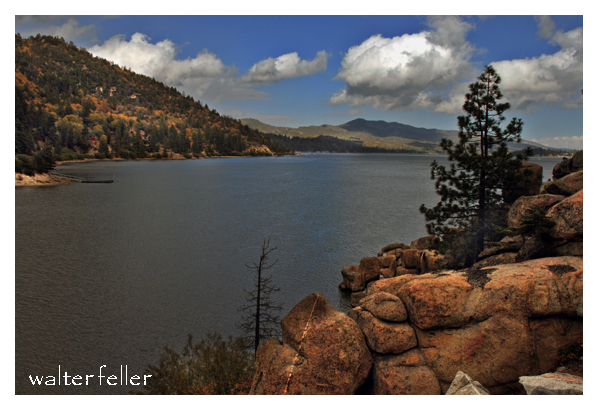
There are no longer any homes or roads in the location once occupied by Cedar Springs; instead, a large and attractive lake now resides there. Silverwood Lake offers opportunities for individuals to fish, boat, camp, or enjoy the outdoors. Despite the town’s disappearance, its natural beauty remains, allowing one to envision what Cedar Springs was like when it was nestled in the mountains.

San Bernardino Mountains

Silverwood Lake

Bear Lake, Baldwin Lake and Big Bear Lake

In the summer of 1845, Benjamin D. Wilson, who owned part of the interest in the Jurupa Rancho, the site of the present city of Riverside, led a troop of Calvary in search of cattle rustlers.

Setting out from San Bernardino Valley, he divided his command. Most of the men he sent through Cajon Pass, keeping only 22 Mexican troopers with him to follow a trail across the mountains. Two days later, Wilson and his men reached the lake, where they sighted scores of grizzly bears.

Big Bear Lake

Most of the soldiers had been vaqueros. They formed in pairs and drew reatas, each pair attacking a bear. One looped a rope around the bear’s neck; his companion roped the same bear by a hind foot. Then, the men drew apart to stretch the rope taut and hold the bear a prisoner. They bagged and skinned eleven bears, stretched their hides, and continued across the mountains to join the rest of the command on the desert at Rancho Las Flores, on the Mojave River.

Here, the reunited party engaged Indians in a fight, after which Wilson and his 22 vaquero-troopers returned home by the lake. They again found the place overrun with bears, and the same 22 soldiers brought in eleven more bears—enough to give them a bear rug apiece as a trophy. It was then that Wilson gave the little body of water the name Bear Lake.

Years later, the name was changed to Baldwin Lake. The name survives, however, in Big Bear Lake, which was created at the site of the Talmadge Ranch in 1884, when a dam was built to provide a constant water supply for the Redlands District.


Adapted from ~ Pioneer Tales of San Bernardino County – WPA – 1940.

#7 – Red Rock Canyon State Park: A Jewel of the Mojave Desert

/red-rock-canyon/

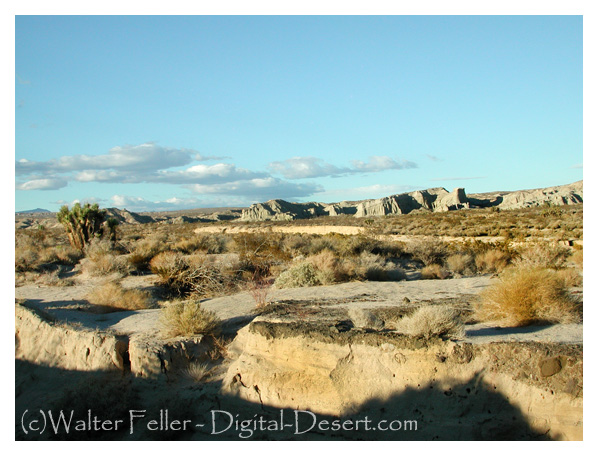
Red Rock Canyon State Park, located in the southern Mojave Desert, is renowned for its stunning rock formations, vibrant colors, and rich history. Here’s an in-depth look at what makes Red Rock Canyon State Park a popular destination:

Geological and Natural Features

  • Spectacular Rock Formations: The park is famous for its dramatic cliffs, buttes, and vividly colored rock layers that span millions of years of geological history. These formations primarily comprise sandstone, volcanic rock, and sedimentary deposits.
  • Unique Colors: The park’s namesake red cliffs and outcroppings are complemented by layers of white, pink, and brown, creating a visually striking landscape that changes with the angle of the sunlight.

Attractions and Activities

  1. Hiking Trails:
    • Hagen Canyon Nature Trail: A popular 1-mile loop trail that offers close-up views of the park’s iconic rock formations and opportunities to spot wildlife. It is an easy hike suitable for all ages.
    • Red Cliffs Trail: A moderate trail that leads hikers through some of the park’s most scenic areas, including red cliffs and narrow canyons. This trail provides excellent photo opportunities.
    • Nightmare Gulch Loop: A longer, more challenging trail offering a rugged adventure through narrow canyons and dramatic rock formations. It is typically open from July through January due to nesting raptors in the area.
  2. Wildlife Viewing:
    • Bird Watching: The park’s diverse habitats attract numerous bird species, making it a great spot for enthusiasts.
  3. Camping:
    • Ricardo Campground: The park’s main campground is located amidst scenic cliffs and rock formations. It offers 50 campsites with picnic tables, fire rings, and restrooms.
    • Primitive Camping: For a more rustic experience, visitors can opt for primitive camping in designated areas, allowing them to connect more closely with nature.
  4. Photography:
    • Landscape Photography: The park’s vibrant rock formations and desert vistas provide endless opportunities for landscape photography. Sunrise and sunset are particularly magical times for capturing the beauty of the park.
    • Night Sky Photography: The park’s remote location and minimal light pollution make it an excellent spot for stargazing and astrophotography. The clear desert skies offer stunning views of the Milky Way and other celestial phenomena.
  5. Off-Roading and Driving:
    • Scenic Drives: Visitors can enjoy scenic drives through the park, with several dirt roads and trails accessible to high-clearance vehicles. These drives offer a chance to explore more remote areas and enjoy panoramic views.
    • Off-Road Vehicle Areas: Designated areas within the park allow for off-road vehicle use, providing an adventurous way to explore the rugged terrain.
  6. Cultural and Historical Sites:
    • Petroglyphs and Historical Artifacts: The park is rich in cultural history, with petroglyphs and artifacts from Native American tribes who once inhabited the area. Interpretive signs provide insights into the historical significance of these sites.
    • Film and Television Location: Red Rock Canyon has served as a filming location for numerous movies, television shows, and commercials, adding to its cultural appeal.

Visitor Information

  • Visitor Center: The park’s visitor center offers educational exhibits on the geology, wildlife, and cultural history of the area. It also provides information on hiking trails, camping, and other recreational activities.
  • Accessibility: The park is easily accessible from major highways, with well-maintained roads leading to the main attractions and facilities.

Best Times to Visit

  • Spring and Fall: These seasons offer the most comfortable weather for outdoor activities, with mild temperatures and blooming wildflowers in spring.
  • Winter: The park can be visited year-round, but winter provides cooler temperatures, making it an ideal time for hiking and exploring without the intense heat of summer.

Conservation and Preservation

  • Protected Area: As a state park, Red Rock Canyon is protected to preserve its natural beauty, wildlife habitats, and cultural resources for future generations.
  • Leave No Trace Principles: Visitors are encouraged to practice Leave No Trace principles to minimize their impact on the environment and help maintain the park’s pristine condition.

Nearby Attractions

  • Jawbone Canyon: Located to the north of the park, Jawbone Canyon offers additional opportunities for off-roading, hiking, and exploring unique desert landscapes.
  • California City: A nearby city that provides additional amenities such as lodging, dining, and shopping for park visitors.

Red Rock Canyon State Park offers a blend of natural beauty, outdoor adventure, and rich history, making it a must-visit destination for anyone exploring the Mojave Desert. Whether you’re hiking, camping, photographing, or simply enjoying the stunning scenery, the park provides an unforgettable experience.

/california-city-ca/