Mojave River: A Lifeline in the Desert

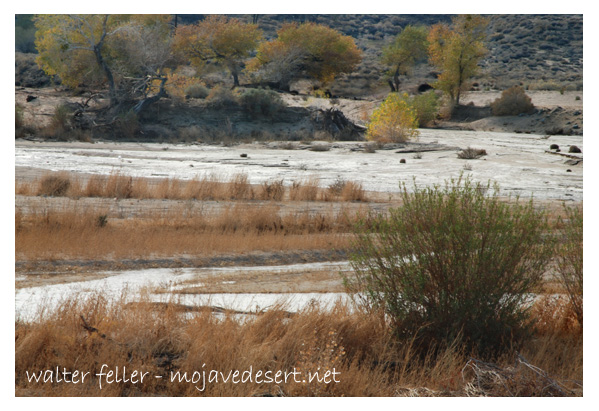
Mojave River at Lanes Crossing

Introduction:

The Mojave River, a hidden gem in the arid landscapes of California, serves as a vital lifeline in the Mojave Desert. This remarkable river spans approximately 110 miles and offers a diverse ecosystem, historical significance, and recreational opportunities for nature enthusiasts and history buffs.

Geography and Formation:
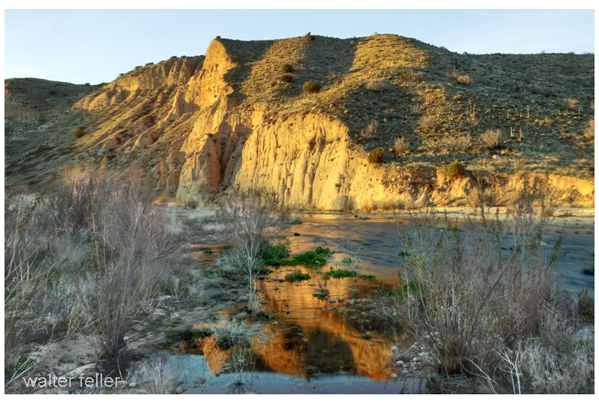
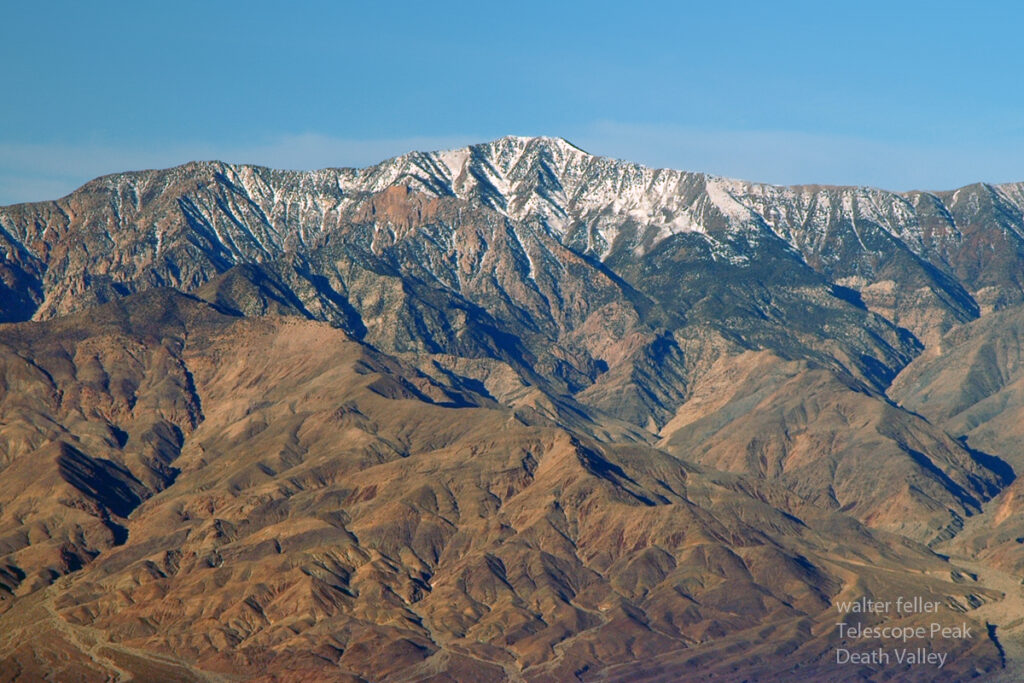
The Mojave River originates in the San Bernardino Mountains and meanders through the Mojave Desert, eventually dissipating into Soda Lake. Its path encompasses various landscapes, including rugged canyons, barren deserts, and lush riparian habitats. The river’s formation can be traced back thousands of years ago when geological processes and the ever-changing climate of the region shaped its course.

Ecological Importance:
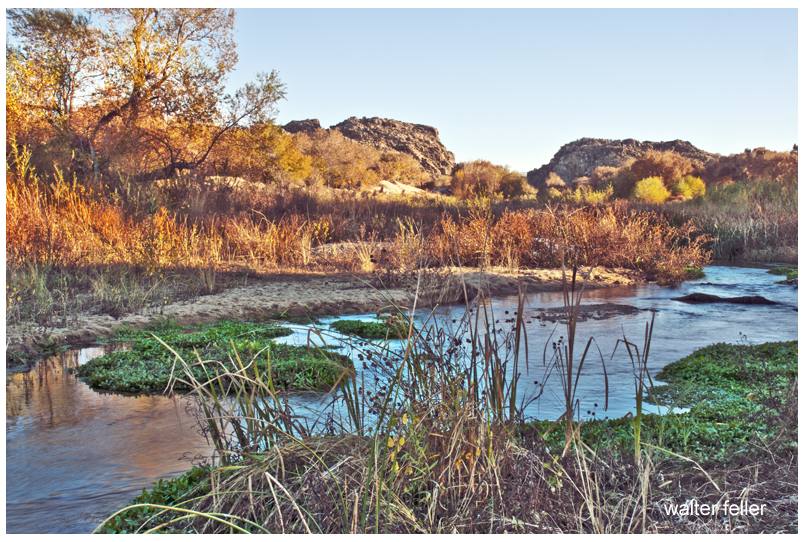
Despite the harsh Mojave Desert conditions, the Mojave River sustains a surprising array of flora and fauna. The river’s riparian zones provide an ideal habitat for a variety of plant species, such as willows, cottonwoods, and mesquite trees. These lush areas attract diverse wildlife, including birds, reptiles, and mammals, seeking refuge in this desert oasis.

Historical Significance:
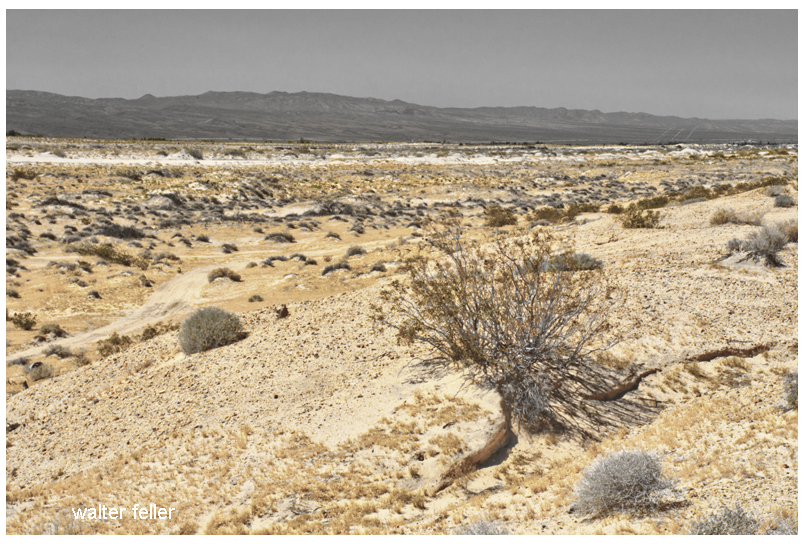
The Mojave River holds a significant place in the history of California. Native American tribes, such as the Mojave, Serrano, and Chemehuevi, once relied on the river’s resources for sustenance and survival. European explorers, including Spanish missionaries and fur trappers, ventured along its banks, leaving behind a legacy of cultural exchange and exploration.

Moreover, during the mid-1800s, the Mojave River played a crucial role in the development of the Old Spanish Trail and the Mojave Road. These historic trade routes linked the Spanish colonies of California with the eastern United States, facilitating trade and migration.

Recreational Opportunities:
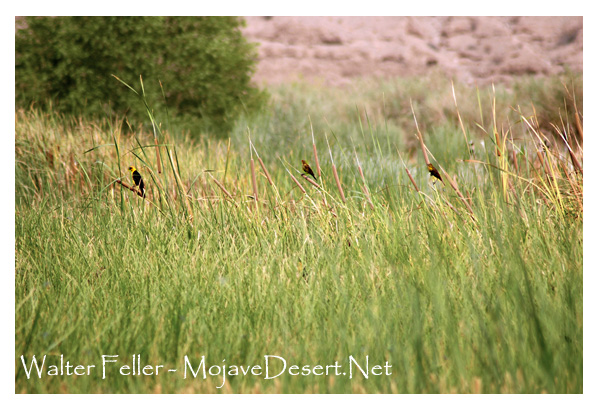
For outdoor enthusiasts, the Mojave River offers a plethora of recreational activities. Hiking trails, such as the Mojave Riverwalk Trail, provide opportunities for exploration, allowing visitors to immerse themselves in desert scenery. Camping facilities and picnic areas along the river’s banks provide the most idyllic setting for a peaceful getaway amidst nature’s tranquility.

Conservation Efforts:
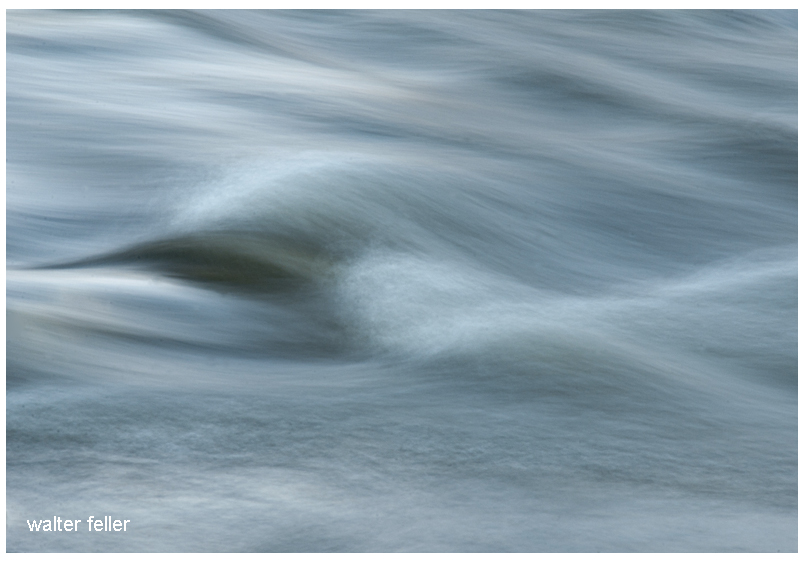
Recognizing the importance of preserving this vibrant ecosystem, numerous conservation organizations and government agencies have worked to protect and restore the Mojave River. These initiatives focus on sustaining river water quality and preserving riparian habitats.

Conclusion:

The Mojave River stands as a testament to the resilience of nature in the face of adversity. Its meandering path through the Mojave Desert provides a lifeline for both wildlife and humans, offering a sanctuary amidst the arid landscapes. Whether you are a nature lover, history enthusiast, or adventure seeker, the Mojave River is a destination that promises a unique and memorable experience. So, embark on a journey to this desert oasis, and let the Mojave River captivate you with its beauty and allure.
Mojave River

Riparian Habitats

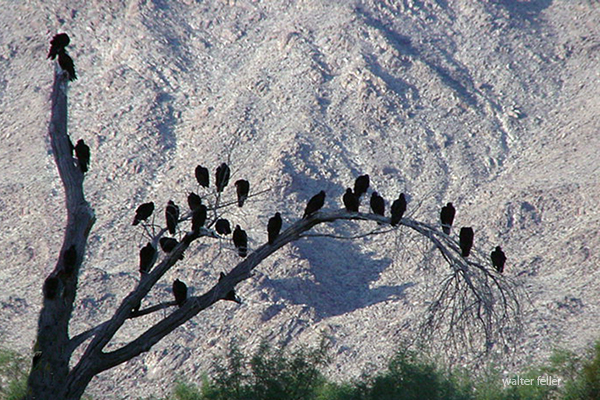
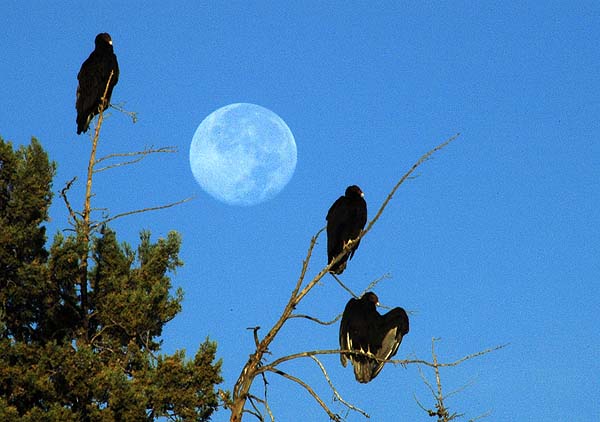
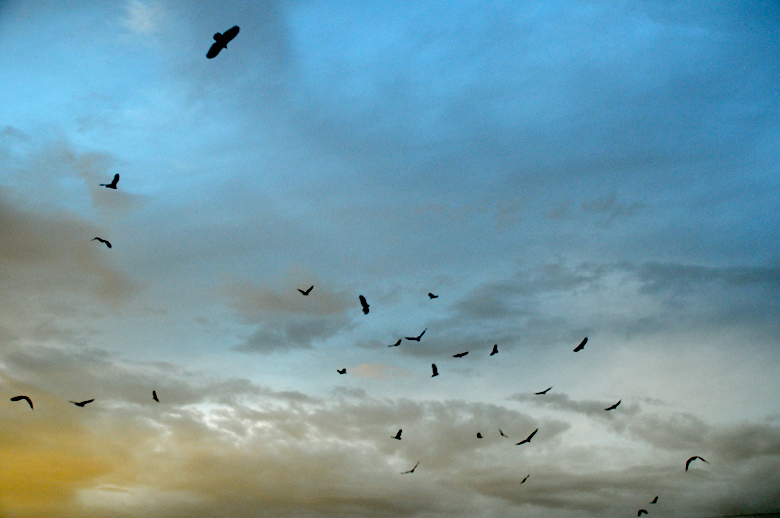
Night of Vultures

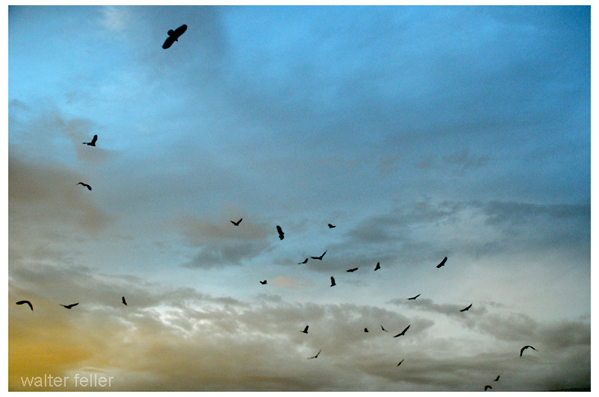
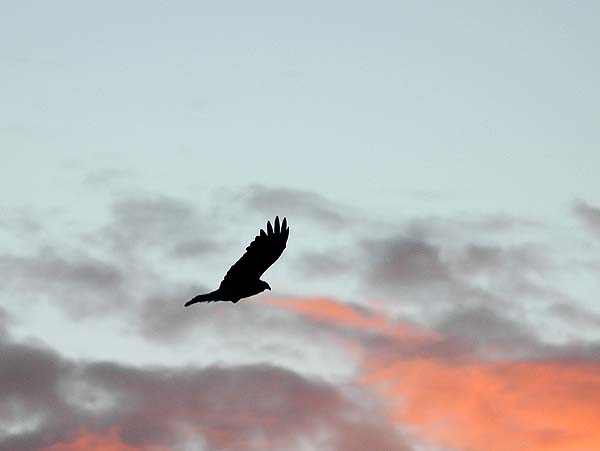
Once dusk approaches, vulture activity shifts noticeably. During the day, vultures ride thermals, travel, and search for carrion. While the sun drops lower, the warm rising air begins to weaken. The birds often stop traveling far and begin moving toward a regular night roost.

Just before sunset, vultures may circle near the roost in loose groups. This circling can look like they are gathering over something dead, but that is not always the case. In the evening, they often use the last lift of the day, sorting themselves into the roost and waiting for a safe place to settle. One bird may arrive, then several more. They may circle, drift, perch, shift position, and lift off again before finally settling.

A roost may be in tall trees, cliffs, utility towers, old buildings, or other high open places. Vultures prefer places where they can see around them. In the morning, they launch easily. Roosting together provides some protection against danger. It may also help them keep track of where other vultures go to feed.

After dark, vultures are mostly quiet and inactive. They do not hunt at night. Their eyesight is good, but they need sunlight and warm air to soar. Without thermals, they conserve energy by perching. They may shift, preen, or shuffle along a branch, but mostly they rest at night.

Animals die at night. Their carcasses, if not swallowed whole, may be hastily shredded, abandoned, and left to rot as a meal for the buzzards or other scavengers.

Near sunrise, the roost stirs. Vultures stretch, preen, and spread their wings. Sunning in the morning is among their most noticeable behaviors. A vulture standing with open wings is usually warming after the cool nighttime, drying dew, and preparing for flight.

They usually wait for the sun to warm the ground and create rising air. When thermals form, vultures leave, circling upward and spreading out. The roost empties, and the search begins again.

The Scavengers

Fifty-seven buzzards, one on each of fifty-seven fence posts at the rancho El Tejon, on a mirage-breeding September morning, sat solemnly while the white tilted travelers’ vans lumbered down the Canada de los Uvas. After three hours they had only clapped their wings, or exchanged posts. The season’s end in the vast dim valley of the San Joaquin is palpitatingly hot, and the air breathes like cotton wool. Through it all the buzzards sit on the fences and low hummocks, with wings spread fanwise for air. There is no end to them, and they smell to heaven. Their heads droop, and all their communication is a rare, horrid croak.

Mary Hunter-Austin – Land of Little Rain

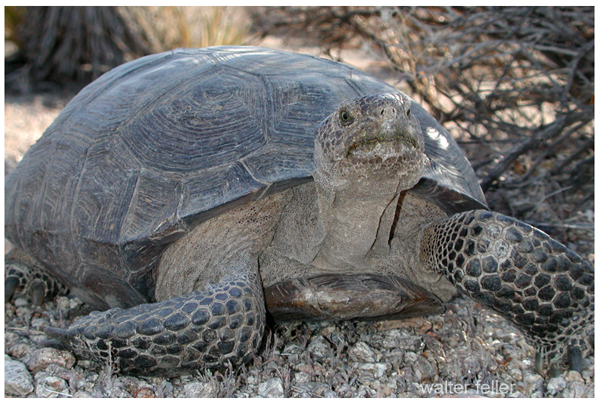
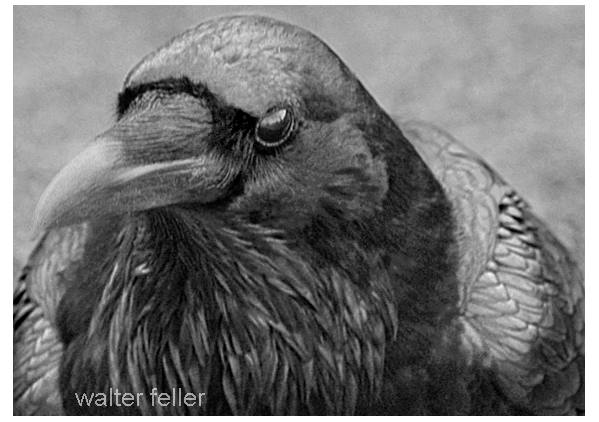
The Tortoise – Raven Problem

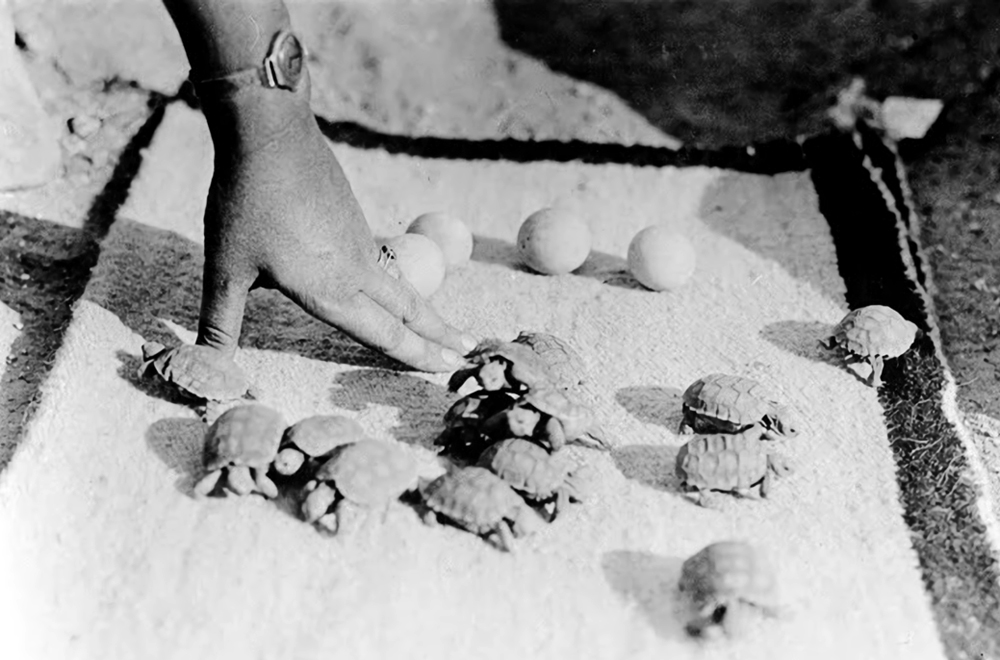
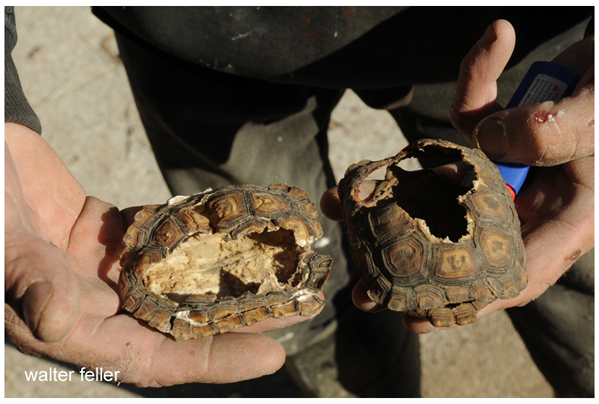
Common ravens are now among the most important predators of young desert tortoises in the Mojave Desert. Adult tortoises are generally protected by their heavy shells, but hatchlings and juveniles are small, soft-shelled, and vulnerable. Ravens can flip them over, peck through the shell, and kill them quickly. Over the last century, this predation pressure has increased substantially, not because ravens are foreign to the desert, but because human activity has allowed their populations to expand far beyond historic levels.

Historically, ravens lived in the Mojave in relatively low numbers, limited by scarce food, water, and nesting sites. Modern development altered those limits. Landfills, dumpsters, roadkill, artificial water sources, agricultural areas, campgrounds, transmission towers, utility poles, and roadside structures now provide reliable support for large raven populations across the desert. Biologists often describe these as “subsidized” ravens: native predators whose numbers are unnaturally amplified by human infrastructure.

Young tortoises are especially vulnerable during their first years of life, before the shell fully hardens. In some heavily developed areas, raven predation has removed large numbers of juveniles before they can reach adulthood. Because desert tortoises mature slowly and reproduce cautiously, sustained losses of hatchlings can have serious long-term effects on local populations.

Conservation efforts, therefore, focus not only on tortoises themselves but on the broader human landscape that supports elevated raven numbers. Securing trash, reducing open dumpsters, cleaning up roadkill, limiting artificial water sources, and modifying utility poles or towers to discourage nesting and perching are all important measures. In open desert terrain, tall structures provide ravens with excellent lookout points from which to search for young tortoises.

Additional protections are sometimes used in sensitive areas. Wildlife agencies may place protective cages over burrows or release sites, restore shrub cover that conceals juvenile tortoises, or use “head-start” programs in which hatchlings are raised in captivity until their shells harden and become more resistant to predators. Some agencies also conduct direct raven management through nest removal, egg oiling, or, in limited cases, lethal control under federal permits. However, most researchers agree that predator removal alone cannot solve the problem if the artificial food and infrastructure supporting high raven populations remain in place.

For this reason, the raven-tortoise conflict is often understood not simply as a natural predator-prey relationship, but as a broader ecological imbalance created by modern desert development.

As a Play

You could think of the Mojave Desert as a grand Broadway production—ancient, dramatic, and full of subtle choreography that has played out for millions of years.

view from walker pass

The stage is the geology: immense backdrops of folded mountains, tilted strata, and fault lines painted by time. Volcanic cones serve as spotlight towers, alluvial fans sweep like curtains drawn across the basin floor, and the Mojave River cuts a wandering path like a traveling stagehand moving props between acts.

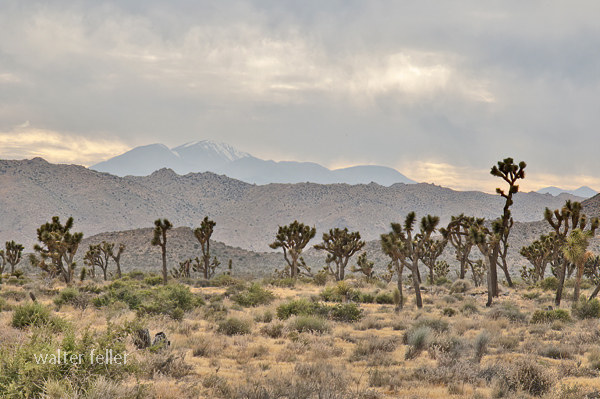
The set is built from plants, rocks, and the occasional weathered structure. Joshua trees rise like eccentric stage pieces, each with its own pose under the lights. Creosote bushes fill in the ensemble—reliable, understated performers who know every cue. Abandoned mining cabins, ghost towns, and derelict rail ties serve as the props and scenery from earlier acts, remnants left between scenes of prosperity and decline.

The lighting crew is the sun, directing each scene with precision—blinding spotlights at noon, warm amber tones at dusk, and moonlit silver rehearsals after dark. The wind adds the soundtrack, whispering through canyons or howling like a restless audience.

The actors? Coyotes, bighorn sheep, and lizards—all improvising within a script written by climate and time. Even the rain, when it shows up, steals the scene with a brief but powerful soliloquy, transforming everything for one fleeting act before bowing out again for months, sometimes years.

Every performance is different, but the play never closes. The Mojave’s production runs continuously, with geology always holding center stage and life finding its cues wherever it can.

Where Lizards Live

Something for a Seven-Year-Old

a straight, clear explanation for a 7-year-old:

So, a lizard’s home isn’t a building—

Lizards in the desert have some clever ways of finding homes. They don’t live in houses like people do, but they find spots that keep them safe from the hot sun and from hungry animals. Many lizards dig little burrows in the sand or dirt where it’s cooler. Others hide under rocks, inside cracks, or even in bushes.

Mojave fringe-toed lizard

During the hottest part of the day, they often stay hidden in these safe spots. When it’s cooler in the morning or evening, they come out to run around, eat bugs, or warm up by lying on sunny rocks.

So, a desert lizard’s “house” could be a hole in the ground, a shady bush, or even a crack in a boulder—it’s wherever they can stay safe and comfortable.

The Mourning Dove Song

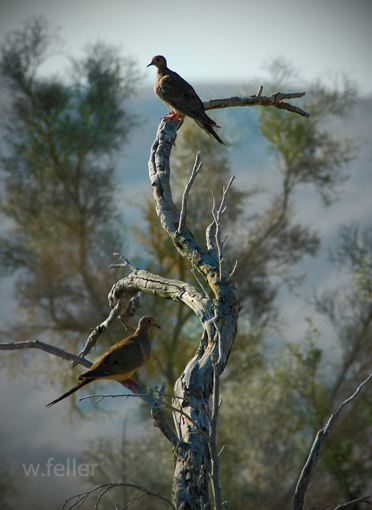
Three short, sad notes the Mourning doves call to each other from bunches of thick green leaves in the cottonwood trees. The heat pushes up the canyon, and the bright sun chases the shadows into themselves the way a mirage disappears as you approach.

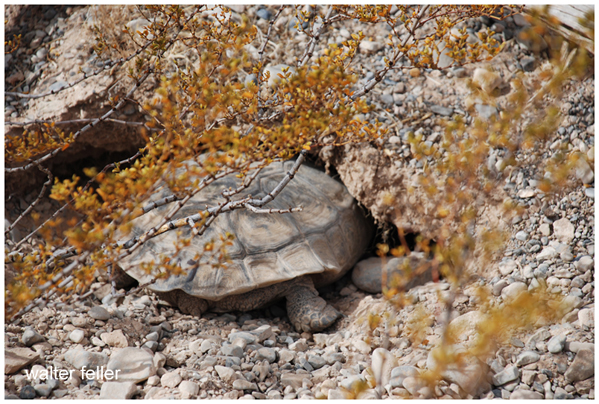
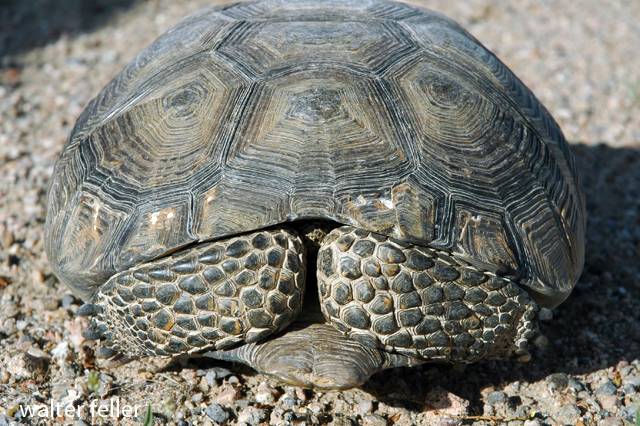
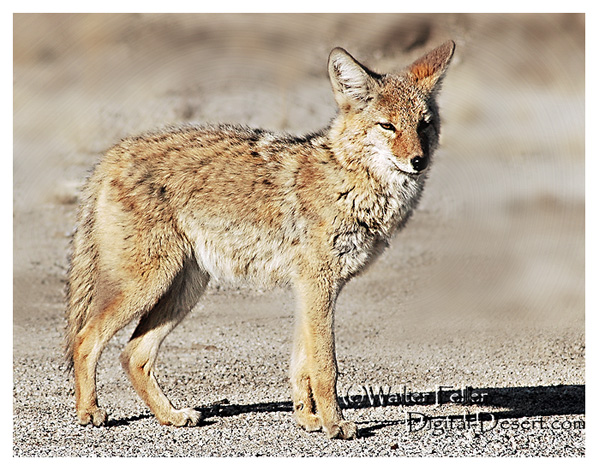
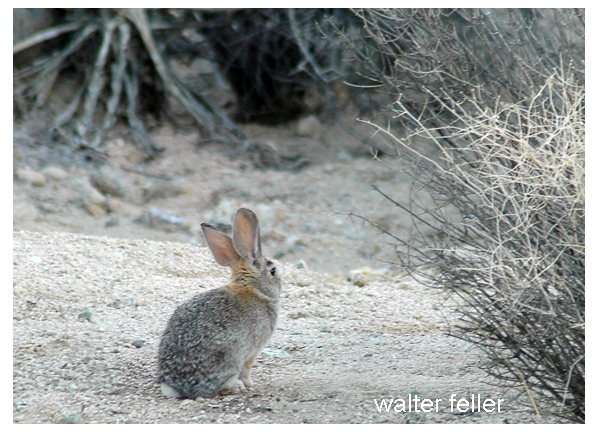
Boots crunched softly in the thick sand along the trail and spotted lizards dart frantically in the low scrub. The pointed ears of a coyote catch your attention as it leaps over a clump of gray grass to pounce on a squirrel eating a seed. A tortoise marches on steadfastly and fearless in his search for a mate. A cottontail nibbles on a juicy young leaf and listens closely to every scratch and pop.

The late morning finally gives way, and high noon approaches as bold as a bully. The air is clear and hot. The sun burns the back of your hands, bringing salt to your dry lips. Your forehead tingles; you push the brim of your hat back and tilt your head forward a bit to keep your face in the shade.

w.feller

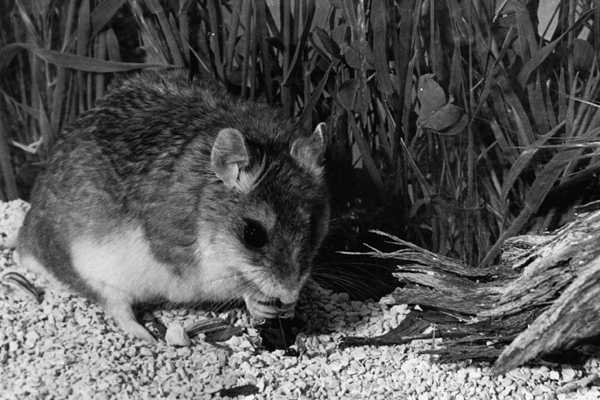
Grasshopper Mouse

The grasshopper mouse, belonging to the genus Onychomys, is a fascinating creature known for its unique behaviors and adaptations. Here’s a detailed overview of its natural history:

Physical Description

  • Size: Small rodents, typically around 4 to 5 inches in body length, with an additional 1 to 2 inches of tail.
  • Appearance: They have a robust body, short tails, and large ears. Their fur is generally grayish-brown on the back and white on the belly.

Habitat

  • Geographic Range: Found in North America, particularly in the arid and semi-arid regions of the western United States and Mexico.
  • Preferred Environment: Grasshopper mice inhabit deserts, scrublands, and prairies. They are well-adapted to dry environments and can be found in areas with sparse vegetation.

Behavior

  • Nocturnal Lifestyle: These mice are primarily nocturnal, coming out to hunt and forage at night.
  • Territoriality: Grasshopper mice are highly territorial and aggressive. They establish and defend territories vigorously.

Diet

  • Carnivorous Diet: Unlike many other rodents, grasshopper mice are primarily carnivorous. They feed on insects, other small invertebrates, and even small vertebrates.
  • Specialization: They are named for their tendency to prey on grasshoppers, but their diet can also include beetles, scorpions, spiders, and even other mice.
  • Hunting: Known for their hunting prowess, they are sometimes called “scorpion mice” due to their ability to hunt and consume scorpions, showing resistance to the venom.

Vocalizations

  • Unique Calls: Grasshopper mice are known for their high-pitched, wolf-like howls, which they use to communicate with each other, especially to mark territory.

Reproduction

  • Breeding Season: Typically breed from spring through late summer.
  • Litter Size: Females give birth to 2 to 6 young after a gestation period of about 30 days.
  • Parental Care: The young are weaned after a few weeks and reach maturity at around 2 to 3 months.

Adaptations

  • Water Conservation: Adapted to arid environments, grasshopper mice obtain most of their water from the food they eat and have efficient kidneys to conserve water.
  • Venom Resistance: They have developed a resistance to the venom of scorpions, allowing them to prey on these arachnids without harm.

Ecological Role

  • Predator Control: By preying on insects and other small animals, grasshopper mice help control the populations of these species in their habitats.
  • Indicator Species: Their presence and health can be indicators of the ecological balance in their environment.

The grasshopper mouse’s unique dietary habits, vocalizations, and behaviors make it a remarkable example of adaptation to harsh environments, playing a crucial role in the ecosystems they inhabit.

#5 – Mojave National Preserve: A Vast Desert Wilderness

/mojave-preserve/

The Mojave National Preserve, encompassing over 1.6 million acres, offers diverse landscapes, wildlife, and recreational activities. Located in southeastern California, the preserve is a haven for outdoor enthusiasts and nature lovers. Here’s an expanded look at what makes the Mojave National Preserve a popular destination:

Key Features and Attractions

  1. Kelso Dunes:
    • Dune Field: Covering over 45 square miles, the Kelso Dunes are some of the tallest dunes in North America, with the highest peak rising about 650 feet.
    • Hiking and Exploration: Visitors can hike to the top of the dunes for panoramic views and experience the phenomenon of “singing sands,” a booming sound produced by the movement of the sand.
    • Sunset Views: The dunes are stunning at sunset when the shifting light creates dramatic shadows and colors.
  2. Hole-in-the-Wall:
    • Geological Features: This area is named for its unique rock formations created by volcanic activity and erosion. The walls are filled with holes and cavities, giving the area its distinctive appearance.
    • Rings Loop Trail: A popular 1.5-mile loop trail that features metal rings bolted into the rock to help hikers navigate steep sections of the trail. The trail offers a close-up view of the fascinating rock formations.
    • Visitor Center: The Hole-in-the-Wall Information Center provides exhibits on the area’s geology, wildlife, and cultural history.
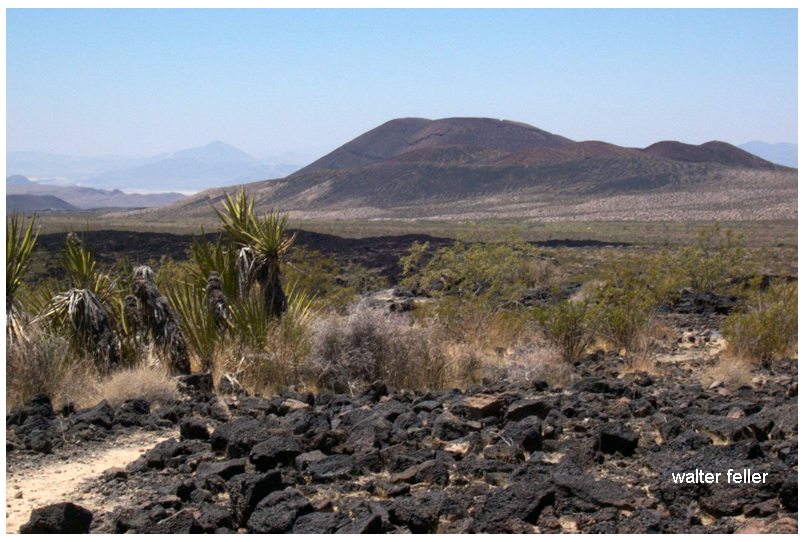
  3. Cinder Cone Lava Beds:
    • Volcanic Landscape: This area features ancient volcanic cones, lava flows, and craters, offering a rugged and dramatic landscape.
    • Hiking Trails: Trails wind through the lava beds, providing opportunities to explore the unique terrain and view the surrounding desert.
  4. Mitchell Caverns:
    • Limestone Caves: Located in the Providence Mountains State Recreation Area, these caverns are filled with stalactites, stalagmites, and other fascinating formations.
    • Guided Tours: The only way to explore the caverns is through guided tours offered by California State Parks, which provide insights into the caves’ geological history and natural features.
  5. Mojave Road:
    • Historic Route: The Mojave Road is a historic 140-mile off-road trail that follows a route used by Native Americans, early explorers, and settlers. It provides a challenging and adventurous way to experience the preserve.
    • Landmarks: Along the route, travelers can see historic sites, old military forts, and natural landmarks. The route requires a high-clearance 4WD vehicle and careful planning.

Wildlife and Plant Life

  • Desert Flora: The preserve has various desert plants, including Joshua trees, creosote bushes, cacti, and wildflowers. Springtime can bring vibrant blooms, adding color to the landscape.
  • Wildlife: The preserve’s diverse habitats support a wide range of wildlife, including bighorn sheep, coyotes, desert tortoises, and numerous bird species. The varying elevations and environments within the preserve create unique ecosystems.

Recreational Activities

  1. Hiking:
    • Diverse Trails: The preserve offers a range of hiking trails, from short nature walks to strenuous backcountry routes. Trails provide opportunities to explore the varied landscapes and observe the native flora and fauna.
    • Backpacking: For those seeking a more immersive experience, the preserve offers backcountry camping and backpacking opportunities. Permits are required for overnight stays.
  2. Camping:
    • Developed Campgrounds: The preserve has several developed campgrounds, including Hole-in-the-Wall and Mid Hills, which offer amenities such as picnic tables, fire rings, and restrooms.
    • Dispersed Camping: For a more primitive experience, visitors can camp in designated areas throughout the preserve. Dispersed camping allows for solitude and a closer connection with nature.
  3. Stargazing:
    • Dark Skies: The remote location of the preserve provides excellent conditions for stargazing. The lack of light pollution allows for clear views of the night sky, making it a perfect spot for observing stars, planets, and meteor showers.
  4. Bird Watching:
    • Diverse Bird Species: The varied habitats within the preserve attract a wide range of bird species, making it a popular destination for bird watchers. Seasonal migrations and diverse environments provide opportunities to see both resident and migratory birds.
  5. Off-Roading:
    • Designated Routes: The preserve has numerous designated off-road vehicle routes, offering adventurous ways to explore the rugged terrain. It’s important to stay on designated routes to protect the environment and adhere to regulations.

Historical and Cultural Sites

  • Kelso Depot: A restored 1924 Union Pacific train depot now serving as the preserve’s visitor center. The depot features exhibits on the history of the railroad, mining, and desert communities.
  • Rock Springs Land and Cattle Company: Historical ranch buildings and corrals that provide a glimpse into the ranching history of the area.

Conservation and Preservation

  • Protected Area: The Mojave National Preserve is managed by the National Park Service, protecting its unique landscapes, wildlife, and cultural resources.
  • Leave No Trace: Visitors are encouraged to practice Leave No Trace principles, minimizing their impact on the environment and helping to preserve the preserve’s natural beauty and integrity.

Visitor Information

  • Accessibility: The preserve is accessible via Interstate 15 and Interstate 40, with several entry points and visitor centers providing information and resources.
  • Seasonal Considerations: The best times to visit are spring and fall when temperatures are moderate. Summer temperatures can be extreme, and winter can bring cold nights and occasional snow at higher elevations.

The Mojave National Preserve offers a diverse and captivating landscape with countless opportunities for exploration and adventure. Whether hiking through rugged canyons, climbing towering dunes, or simply soaking in the vast desert vistas, the preserve provides a memorable and enriching experience for all who visit.