Night of Vultures

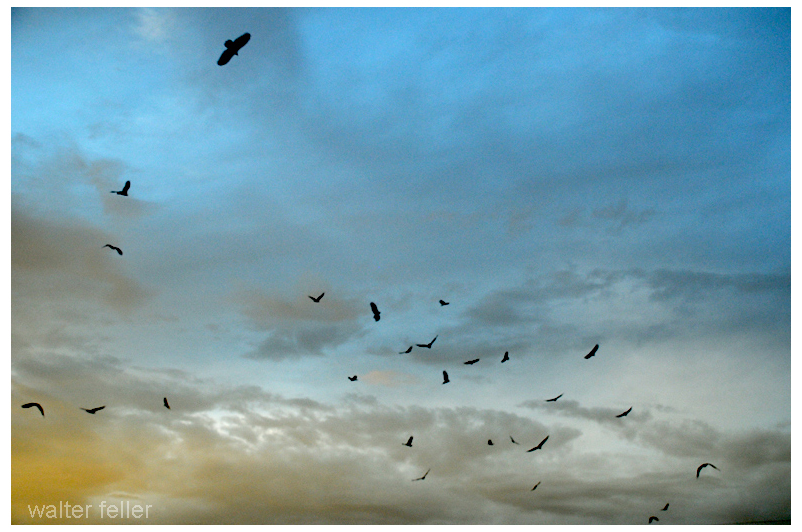
Once dusk approaches, vulture activity shifts noticeably. During the day, vultures ride thermals, travel, and search for carrion. While the sun drops lower, the warm rising air begins to weaken. The birds often stop traveling far and begin moving toward a regular night roost.
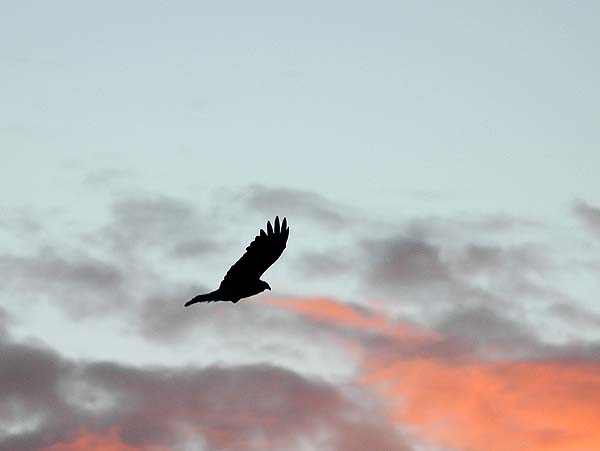
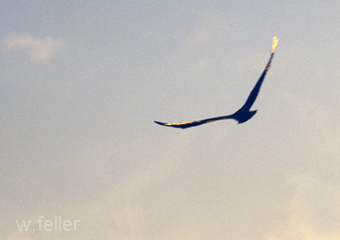
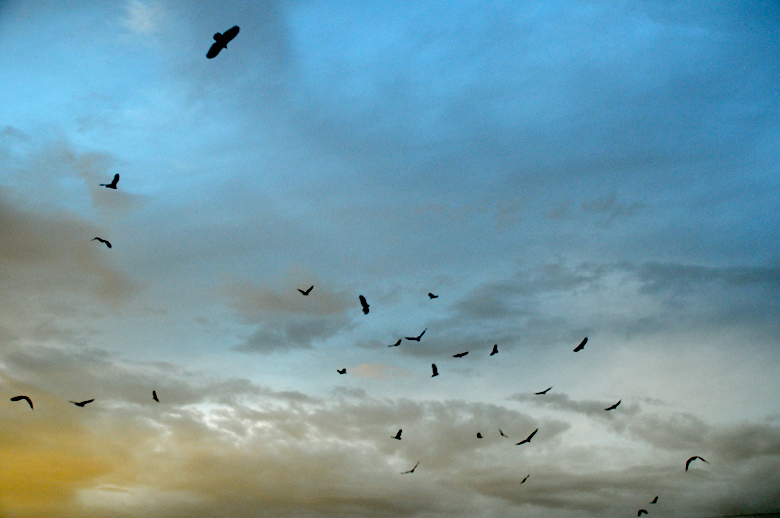
Just before sunset, vultures may circle near the roost in loose groups. This circling can look like they are gathering over something dead, but that is not always the case. In the evening, they often use the last lift of the day, sorting themselves into the roost and waiting for a safe place to settle. One bird may arrive, then several more. They may circle, drift, perch, shift position, and lift off again before finally settling.
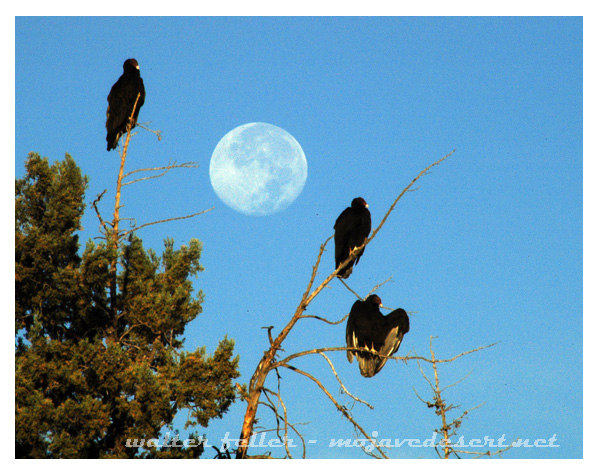
A roost may be in tall trees, cliffs, utility towers, old buildings, or other high open places. Vultures prefer places where they can see around them. In the morning, they launch easily. Roosting together provides some protection against danger. It may also help them keep track of where other vultures go to feed.
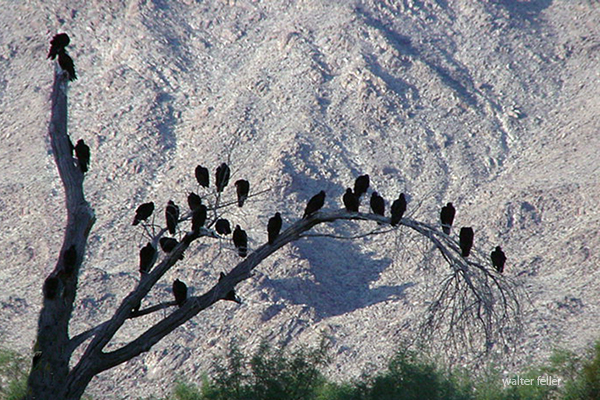
After dark, vultures are mostly quiet and inactive. They do not hunt at night. Their eyesight is good, but they need sunlight and warm air to soar. Without thermals, they conserve energy by perching. They may shift, preen, or shuffle along a branch, but mostly they rest at night.
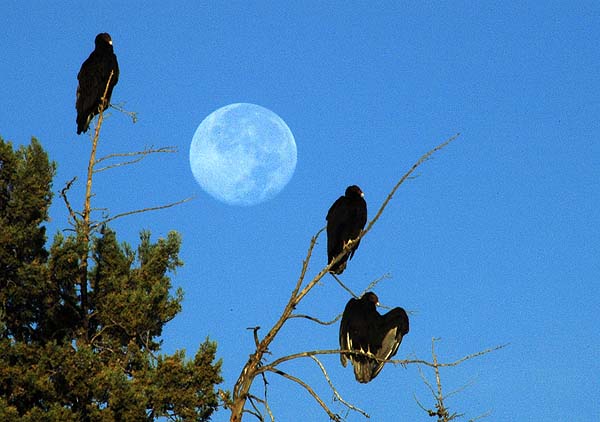
Animals die at night. Their carcasses, if not swallowed whole, may be hastily shredded, abandoned, and left to rot as a meal for the buzzards or other scavengers.

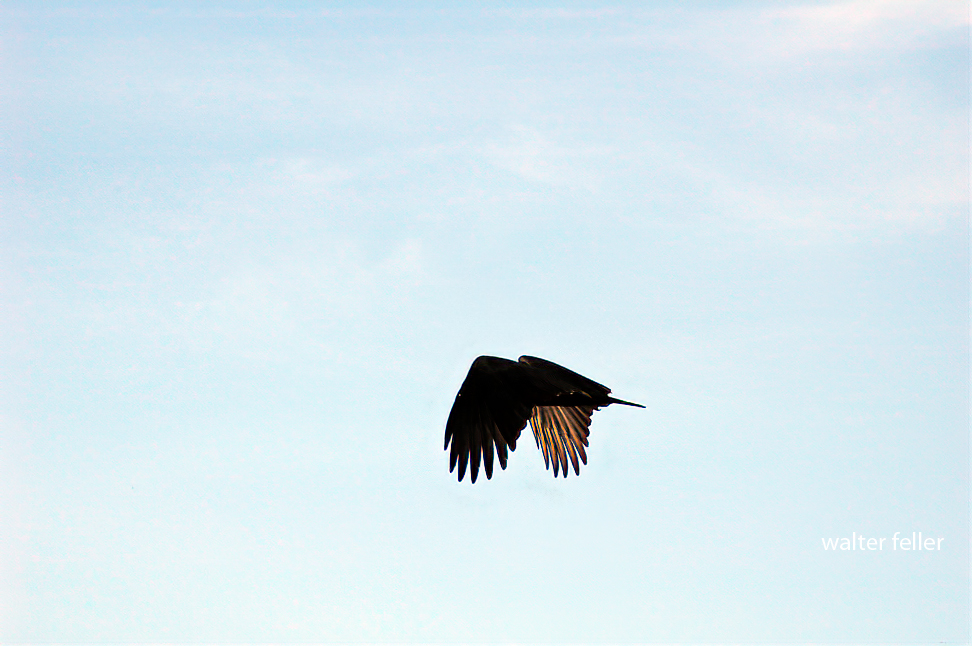
Near sunrise, the roost stirs. Vultures stretch, preen, and spread their wings. Sunning in the morning is among their most noticeable behaviors. A vulture standing with open wings is usually warming after the cool nighttime, drying dew, and preparing for flight.

They usually wait for the sun to warm the ground and create rising air. When thermals form, vultures leave, circling upward and spreading out. The roost empties, and the search begins again.

The Scavengers

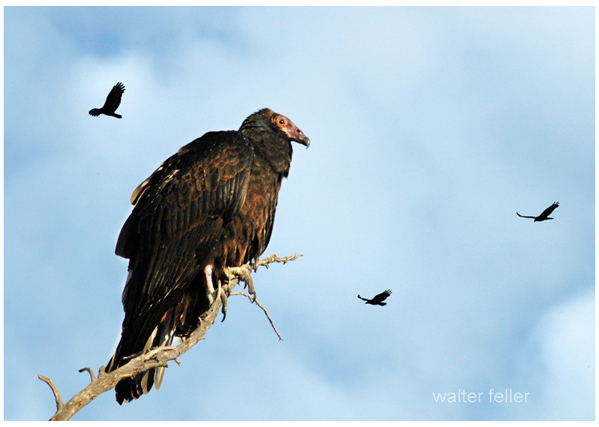
Fifty-seven buzzards, one on each of fifty-seven fence posts at the rancho El Tejon, on a mirage-breeding September morning, sat solemnly while the white tilted travelers’ vans lumbered down the Canada de los Uvas. After three hours they had only clapped their wings, or exchanged posts. The season’s end in the vast dim valley of the San Joaquin is palpitatingly hot, and the air breathes like cotton wool. Through it all the buzzards sit on the fences and low hummocks, with wings spread fanwise for air. There is no end to them, and they smell to heaven. Their heads droop, and all their communication is a rare, horrid croak.

Mary Hunter-Austin – Land of Little Rain

A Perfect Carcass – Every Time

The Gourmet Vulture: A Culinary Journey in the World of Carrion

Vultures might not have Michelin stars, but they sure are the connoisseurs of the animal kingdom when it comes to dining on dead things. These winged gourmands have turned scavenging into a fine art, knowing just when to swoop in for a meal and when to pass on something that’s past its prime—or, ironically, not dead enough yet. Let’s take a peek into the culinary habits of vultures, where the timing of dinner can make all the difference between a gourmet feast and an indigestible disaster.

Scavenging: The Original “Street Food”

Long before humans were raving about food trucks and street vendors, there was scavenging. The word “scavenge” comes from Middle English and was all about cleaning up the streets, which, let’s face it, was probably a job that involved dealing with some pretty gross stuff. Fast forward a few centuries, and vultures have literally taken this concept to new heights. These birds are the ultimate street food critics, cruising the skies for the perfect carrion pile to sample. If Yelp existed in the animal kingdom, vultures would leave reviews like, “Two talons up for the tenderized deer carcass by the highway!”

Fresh Meat? No, Thanks—I Prefer It Aged

You might think vultures would be first in line for a fresh kill, but no, these birds prefer their meat with a bit of age—think of it as nature’s version of dry-aged steak. Freshly dead animals are simply too tough for these guys. They don’t have the tools to tear into a fresh carcass like their more glamorous cousins, the eagles. Vultures are more about finesse. They wait until decomposition does some of the hard work, softening up the meat and releasing those mouth-watering (well, to a vulture) aromas that say, “Dinner is served!”

It’s all about finding that sweet spot where the meat is tender enough to tear into but not so far gone that it’s turned into vulture repellent.

Can Meat Be Too Aged?

While vultures are happy to let nature marinate their meals, they do have standards. Yes, even vultures can find meat that’s too far gone. If a carcass is more maggot than meat, or if it’s dried out like a piece of jerky left in the sun too long, these avian food critics will pass. Sure, vultures are tough, but they’re not immune to the dangers of spoiled food. Even they know when to say, “Nope, not worth the tummy trouble.” They’re picky eaters, in their own way, balancing the need for nutrition with a healthy dose of self-preservation.

The Art of Knowing When to Eat

Vultures might not need reservations or menus, but they’ve mastered the timing of their meals. Their highly tuned senses tell them exactly when a carcass has hit that perfect stage of decay, where it’s not too fresh and not too far gone—just right for a satisfying meal. It’s like they have their own internal clock that says, “Wait for it… wait for it… now!” And in swoops the vulture, ready to feast on a meal that’s neither too tough nor too toxic. They’re not just eating; they’re ensuring the whole ecosystem stays healthy by cleaning up what other animals leave behind.

Conclusion: Vultures, The Unsung Culinary Heroes

So, next time you see a vulture circling overhead, don’t think of it as a grim reaper. Instead, imagine a discerning diner waiting for just the right moment to dive into a meal that’s perfectly aged to its taste. Vultures may not be glamorous, but they play a vital role in nature, keeping the environment clean and healthy by knowing exactly when to feast and when to fly on by. They’re the ultimate scavengers, ensuring that in the grand buffet of life, nothing goes to waste—but only if it’s just right.

Vultures