Men, Cattle & Cattlemen

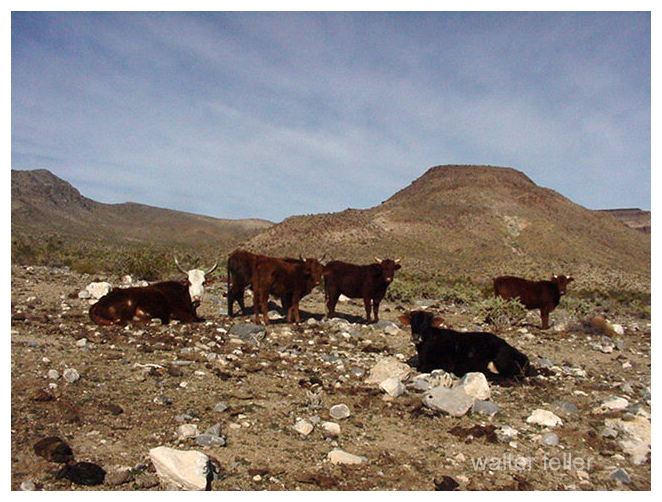
Raising cattle in the Mojave National Preserve comes with unique challenges and a long history. The area has been home to cattle ranching since the late 19th century, with ranchers taking advantage of the sparse but hardy desert vegetation and natural springs.
Historical Perspective

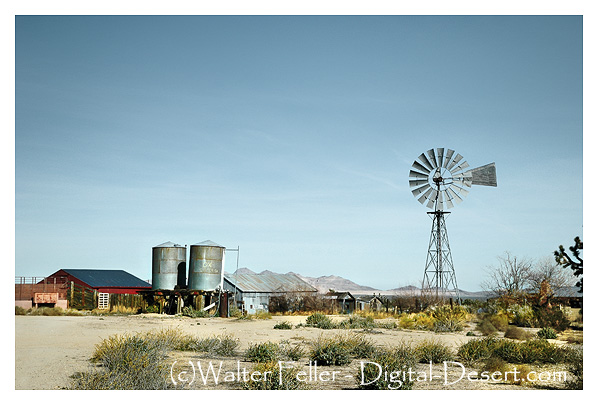
Cattle ranching in the Mojave Preserve dates back to the late 1800s, with ranchers establishing homesteads and using the land for grazing. Ranches like Rock Spring Ranch, Valley View Ranch, and the OX Ranch were some of the key operations. Water was always the limiting factor, so early ranchers developed wells, windmills, and water troughs to sustain their herds.
During the 20th century, ranching continued despite the harsh environment. The Bureau of Land Management (BLM) and later the National Park Service (NPS) managed grazing leases. Still, conflicts arose over land use, conservation, and the impact of cattle on fragile desert ecosystems.

Modern Challenges

After the creation of the Mojave National Preserve in 1994, the National Park Service began phasing out cattle ranching through voluntary buyouts of grazing rights. Some ranchers chose to sell, while others held on under special agreements. Today, very few cattle operations remain in the preserve, and grazing is largely restricted.

Key challenges include:

  • Water Scarcity: Natural springs and wells are limited, making it difficult to maintain large herds.
  • Harsh Climate: Extreme temperatures and unpredictable rainfall mean cattle must be resilient to drought conditions.
  • Regulatory Restrictions: The National Park Service enforces conservation policies, restricting new grazing leases and limiting herd sizes.
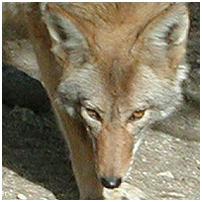
  • Predation and Disease: Coyotes and mountain lions pose risks to cattle, and disease can spread in remote conditions with limited veterinary care.

Legacy and Conservation
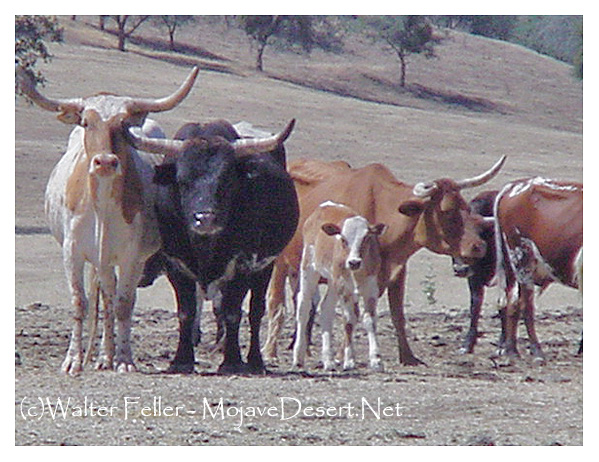
Tehachapi beef – Selected for character

Though large-scale ranching has faded chiefly, remnants of the cattle industry remain in the form of historic ranch sites, windmills, and abandoned corrals scattered throughout the preserve. Some former ranching areas have become part of conservation efforts to restore native plant life and protect desert ecosystems.

Ranching played a significant role in shaping the human history of the Mojave, but in many areas, the land is slowly returning to a more natural state.
Mojave Preserve

Ranches in the Preserve

Desert Ranches

Desert Food Chain

The desert food chain is a complex system involving various organisms interacting for energy and survival. Despite the harsh conditions of deserts, life has adapted to these environments, and a delicate balance exists within the food chain. Here is a simplified overview of the desert food chain:

Seeds → kangaroo rat → rattlesnake → hawk
Wildflowers → grasshopper → lizard → roadrunner
Grasses and wildflowers → desert tortoise → raven (primarily eggs and young tortoises)
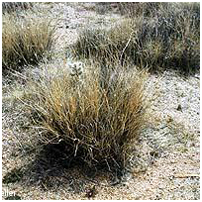
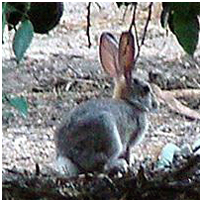
Shrubs → jackrabbit → coyote

  1. Producers:
    • Plants and Cacti: Deserts have specialized plants adapted to conserve water and thrive in arid conditions. Examples include cacti, succulents, and drought-resistant shrubs. These plants are primary producers, converting sunlight into energy through photosynthesis.
  2. Primary Consumers:
    • Herbivores: Insects, rodents, and small mammals feed on desert plants. Examples include grasshoppers, mice, and rabbits. These organisms are primary consumers that obtain their energy by consuming plants.
  3. Secondary Consumers:
    • Carnivores: Predators in the desert feed on herbivores. Examples include snakes, lizards, and birds of prey. Some mammals like foxes and coyotes also fall into this category, preying on smaller animals for sustenance.
  4. Tertiary Consumers:
    • Top Predators: Larger predators at the top of the desert food chain prey on herbivores and smaller carnivores. Examples include large birds of prey like eagles and apex predators like some species of bobcats and mountain lions.
  5. Scavengers:
    • Scavengers: These organisms feed on the remains of dead animals. Scavengers play a crucial role in nutrient recycling in the desert ecosystem. Vultures are an example of scavengers.
  6. Decomposers:
    • Microorganisms: Decomposers decompose organic matter, such as dead plants and animals, into simpler nutrients the soil can absorb. Bacteria and fungi are essential decomposers in the desert ecosystem.

Throughout this food chain, energy is transferred from one trophic level to the next, with each level being dependent on the level below for its energy source. Water is a limiting factor in deserts, and many organisms have adapted various mechanisms to conserve water or extract it efficiently from their food sources. The delicate balance of the desert food chain is essential for the survival of its inhabitants in these harsh environments.

Desert Food Chain