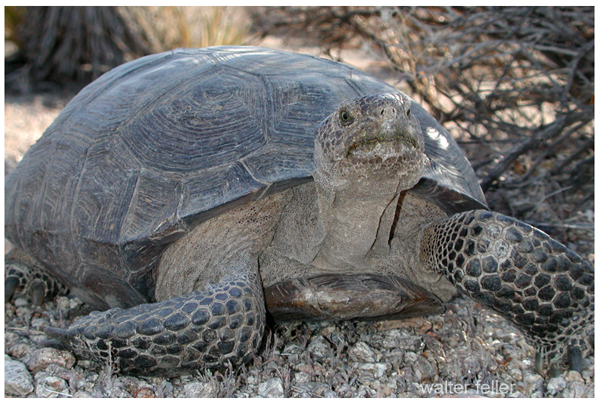
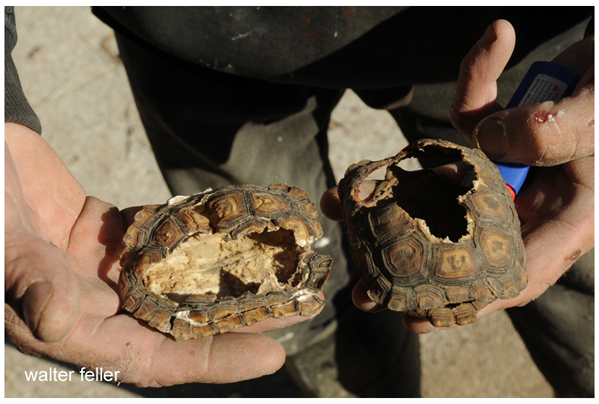
Common ravens are now among the most important predators of young desert tortoises in the Mojave Desert. Adult tortoises are generally protected by their heavy shells, but hatchlings and juveniles are small, soft-shelled, and vulnerable. Ravens can flip them over, peck through the shell, and kill them quickly. Over the last century, this predation pressure has increased substantially, not because ravens are foreign to the desert, but because human activity has allowed their populations to expand far beyond historic levels.
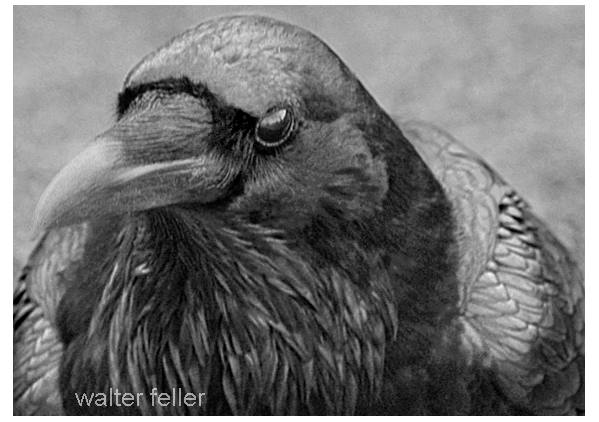
Historically, ravens lived in the Mojave in relatively low numbers, limited by scarce food, water, and nesting sites. Modern development altered those limits. Landfills, dumpsters, roadkill, artificial water sources, agricultural areas, campgrounds, transmission towers, utility poles, and roadside structures now provide reliable support for large raven populations across the desert. Biologists often describe these as “subsidized” ravens: native predators whose numbers are unnaturally amplified by human infrastructure.
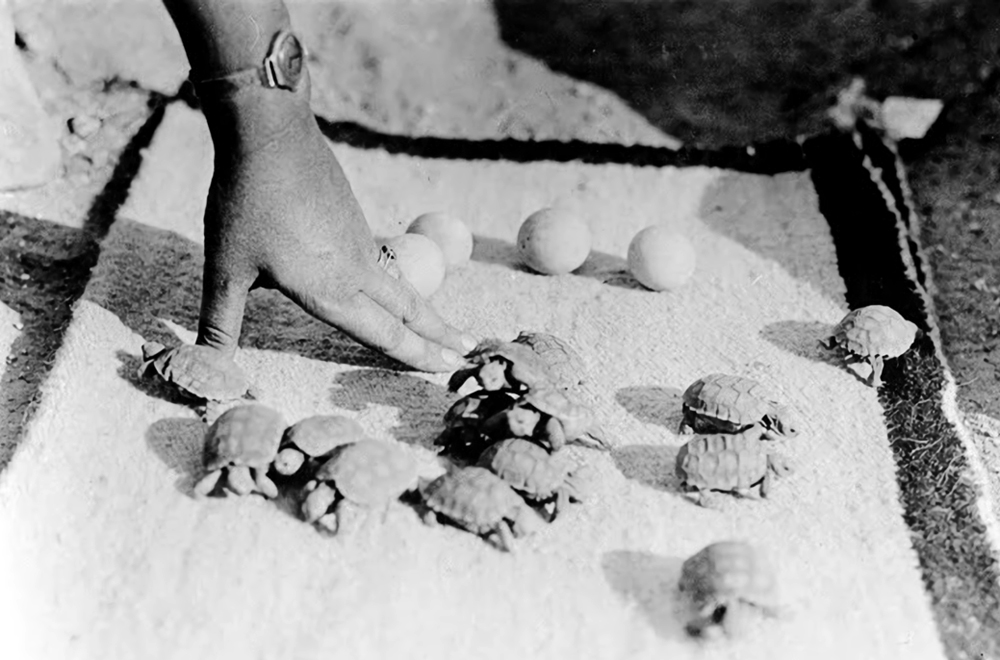
Young tortoises are especially vulnerable during their first years of life, before the shell fully hardens. In some heavily developed areas, raven predation has removed large numbers of juveniles before they can reach adulthood. Because desert tortoises mature slowly and reproduce cautiously, sustained losses of hatchlings can have serious long-term effects on local populations.
Conservation efforts, therefore, focus not only on tortoises themselves but on the broader human landscape that supports elevated raven numbers. Securing trash, reducing open dumpsters, cleaning up roadkill, limiting artificial water sources, and modifying utility poles or towers to discourage nesting and perching are all important measures. In open desert terrain, tall structures provide ravens with excellent lookout points from which to search for young tortoises.
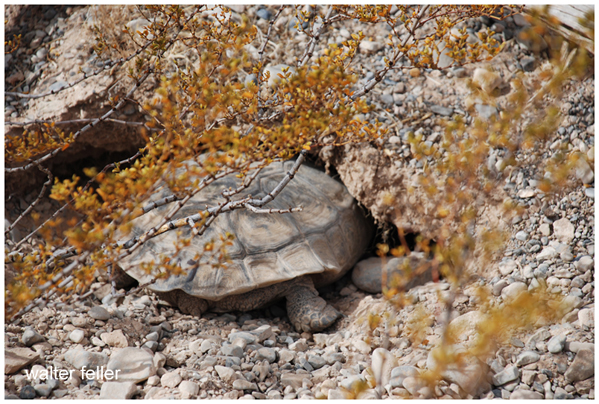
Additional protections are sometimes used in sensitive areas. Wildlife agencies may place protective cages over burrows or release sites, restore shrub cover that conceals juvenile tortoises, or use “head-start” programs in which hatchlings are raised in captivity until their shells harden and become more resistant to predators. Some agencies also conduct direct raven management through nest removal, egg oiling, or, in limited cases, lethal control under federal permits. However, most researchers agree that predator removal alone cannot solve the problem if the artificial food and infrastructure supporting high raven populations remain in place.
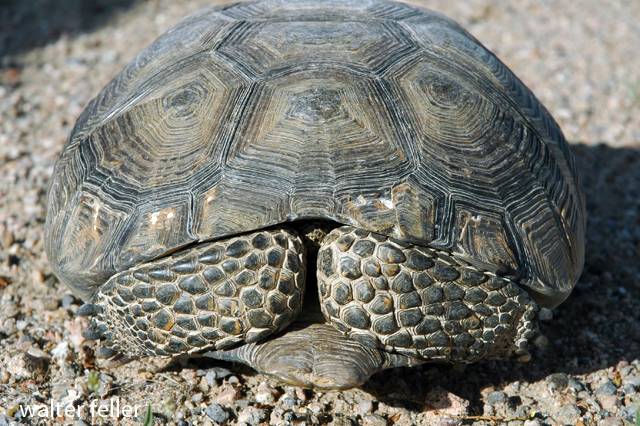
For this reason, the raven-tortoise conflict is often understood not simply as a natural predator-prey relationship, but as a broader ecological imbalance created by modern desert development.