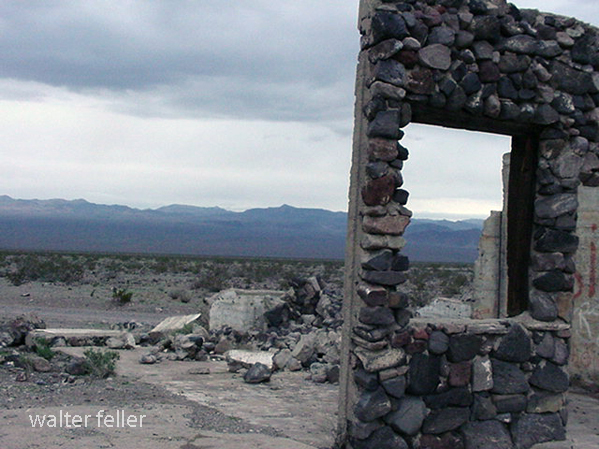
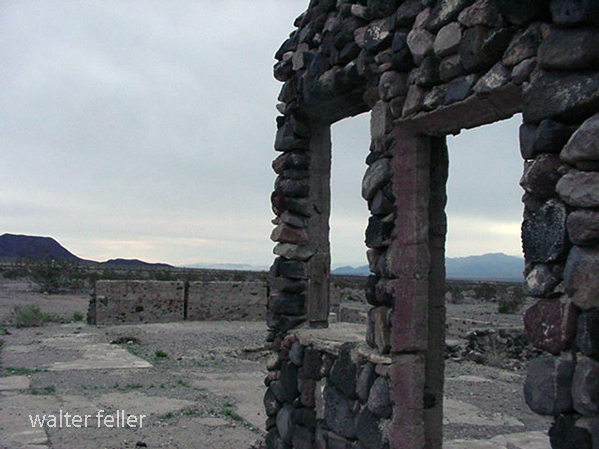
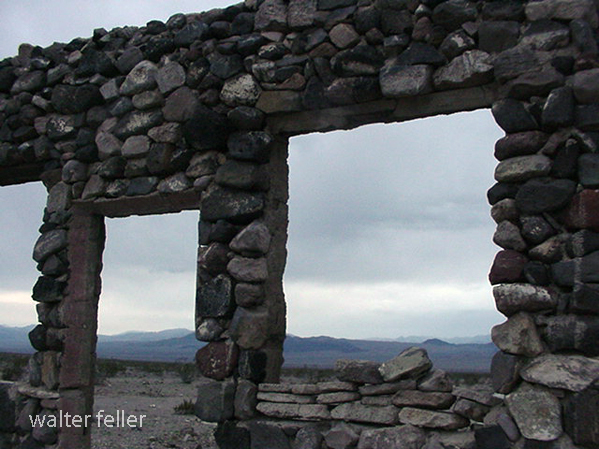
That Looks Good

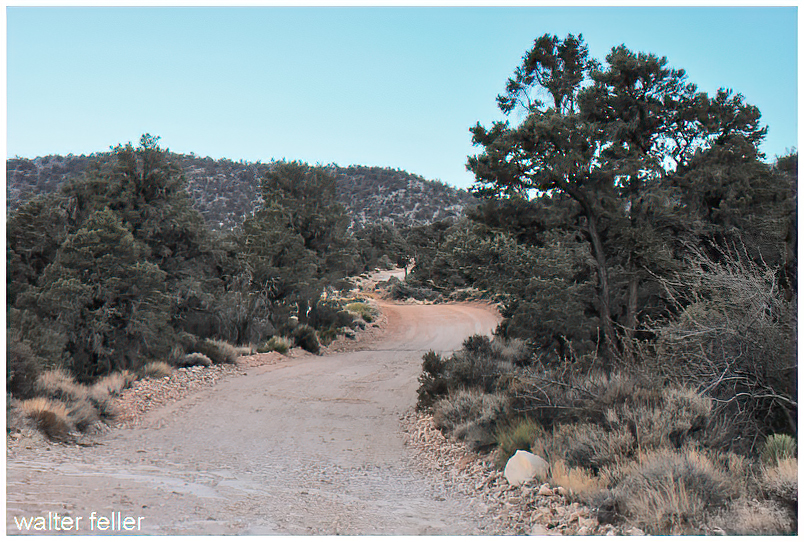
Desert photography starts out as a simple urge: “That looks good—take a picture.” If it stays there, it can go stale, because the camera becomes a souvenir machine and nothing more. But if you pull the pieces together—purpose, learning, editing, and display—it becomes something older and steadier: a craft that turns attention into knowledge, and knowledge into a record you can live with, share, and pass along.

The first part is purpose, because it keeps the work from turning into an endless string of casual snaps. In the desert, purpose can be as plain as an assignment. “Follow the wash and photograph what changes.” “Track an old route and record the artifacts.” “Show a plant community, not a single plant.” “Make a sequence that explains a place, not just a postcard.” When you have an assignment, you stop hunting for random pretty scenes and start asking the kind of questions that lead to better photographs: What is the subject? What is it doing here? What does the light reveal? What is the story the landscape is telling?

That’s what purpose does: it forces you to look longer. And in the desert, looking longer is the whole game. The desert isn’t loud the way a city is loud; it’s legible. A dry fan tells you where water used to run. A wash shows you how recent storms rearranged the ground. Desert varnish and pavement show the passage of time. A line of cottonwoods or reeds tells you where water persists even when everything else says “no.” Old grades, culverts, pole lines, and broken pavement show how people tried to solve the desert’s problems—water, distance, and heat—using the tools of their era. When your photography has purpose, you start photographing these clues on purpose. That’s the moment the camera stops being a mirror and starts being a notebook.

The second part is learning, because desert photographs can be more than attractive; they can be evidence. If you want your images to teach you something later—and teach other people something too—you need a simple discipline: shoot identifiers, not just beauty. For plants, that means the flower (if present), the leaves, the overall form, and the habitat context. For geology, it means a close-up texture shot, a mid shot showing where the rock sits, and a wide establishing shot showing the landform. For historic sites, this means details of construction, a sign or marker (if one exists), and the relationship to the landscape (because the landscape explains why the site is there). Add one shot that gives scale. It can be as simple as your boot near a track, a coin next to a fossil fragment (where legal and ethical), or a hand near a tool mark—anything that anchors size.

That method sounds almost dull, but it’s the opposite. It’s how you build a personal archive that gets more valuable with time. Later, when you want to confirm an ID, write an article, or compare changes across seasons, you have what you need. You’re not guessing. You’re working from proof.

The third part is technique, and in desert work, technique is mostly about light, distance, and protection. Desert light is brutally honest. Midday sun flattens color, blows highlights, and makes the scene look harsher than it felt. Early and late light—side-light especially—reveals texture and makes the land readable. Overcast, though rarer in the desert, is excellent for plants and details because it reduces contrast and preserves color. After rain is its own gift: clearer air, richer tones, and sometimes standing water or damp sand that photographs like velvet. Distance is the next factor: heat shimmer can ruin long telephoto shots across a flat basin in the middle of the day, and wind can turn a gentle tripod setup into a vibrating mess. Protection is the constant: dust, grit, and sun don’t care what brand of camera you brought. The desert is hard on gear and harder on complacency.

But technique isn’t only about settings. It’s about how you choose to see. A phone can make fine desert photographs if you treat it like a camera and not a distraction. A “serious” camera gives you more control and consistency, but it doesn’t give you purpose. Purpose is earned.

The fourth part is editing, because editing is where your photographs become cohesive. Editing isn’t just “making it prettier.” It’s where you declare what you’re loyal to. Are you loyal to realism—making it look like it felt? Are you loyal to form—graphic lines and hard light? Are you loyal to color—subtle separation of tans, blues, and varnish-black? Are you loyal to the story—an image that serves a sequence more than it serves itself? Once you know your loyalty, the sliders stop being a casino and start being tools.

A good way to think about editing is in terms of “mode and style.” Mode is the job. Style is the repeated set of choices. Documentary realism is a solid mode for desert work because it respects the place. You protect highlights, keep color believable, lift shadows without flattening, and use sharpening with restraint so rocks look like rock rather than crunchy digital grit. Classic landscape is another: slightly deeper contrast, careful dodging and burning, and a “printed” look that suits wide scenes. Graphic high-contrast can be powerful too—especially on dunes, volcanic rock, road cuts, and old concrete—where shape and shadow are the story. Film-like or vintage styles can work, but only if you keep them consistent; otherwise, it becomes a costume you put on photos at random.

The most important editing decision is not what you add—it’s what you refuse. Decide your line in the sand. Many desert photographers do better the moment they reject heavy HDR halos, neon saturation, and fake skies. The desert has plenty of drama; you don’t need to manufacture it. Restraint reads as confidence.

The fifth part is display, because display is where the whole thing becomes real. A photograph that lives only on a hard drive is unfinished. Display is also where people get confused, because every output has different needs. A print for the wall is not the same as an image for a phone screen, and neither is the same as an image for publication.

For home display, you’re making something you’ll live with. That calls for calm editing, predictable sizes, and consistency. A single strong piece can anchor a room, but series work—washes, roads, dunes, textures—can turn a wall into a story. A traditional approach helps: standard sizes, consistent frame style, consistent mat color. The goal is for the work to read as a body rather than a pile.

For a gallery, cohesion is everything. A gallery show is not a “best of.” It’s a statement. Limiting sizes, limiting styles, and arranging images as sequences make viewers slow down and follow the logic. Captions matter more than people like to admit in landscape work. One sentence can turn a pretty scene into a scene with meaning: what it is, where it is, and why it matters. Desert photography especially benefits from this because the land is full of clues that most viewers don’t yet know how to read.

For gifts, you’re choosing ease and friendliness. Smaller sizes, a bit more brightness than you’d keep for yourself, and subjects that communicate immediately. A clean Joshua tree silhouette, a classic road fragment, a dramatic ridge line—these are images people can place in their own homes without needing the backstory. You can still include the backstory, but the gift should stand on its own.

For publications, you’re in a world of specifications, accuracy, and reproducibility. You keep color conservative, avoid heavy sharpening, and give editors room for crop and caption. A publication image is as much about clarity as it is about mood. In this setting, your photographs become a form of documentation—proof again—especially when they support a narrative about history, ecology, or place.

When you combine these parts, you can finally answer what it means and what it does.

What it means is that desert photography becomes a form of attention practiced over time. It’s a way of noticing that isn’t casual. You go out with a purpose, you learn what you’re seeing, you refine how you translate it into an image, and you finish it in a form that can be shared. In other words, it becomes a craft rather than a pastime. The desert rewards craft because it’s a place where small differences matter: a slight change in slope tells a water story; a slight change in soil tells a plant story; a slight change in light turns a flat scene into a readable one.

What it does is equally concrete. It builds a personal archive that grows in value over time. It trains your eye to recognize patterns. It gives you a record of places that change—sometimes slowly, sometimes abruptly. It creates material for sharing: a wall series, a booklet, a website page, a classroom talk, a gift that carries a place into someone else’s home. It also has a quiet civic function: photographs can support memory, and memory can support stewardship. When you have images that show how a site looked, where a route ran, what a wash did after a storm, or what a grove of cottonwoods looked like before a dry year, you have evidence. You can argue from something more solid than nostalgia.

There’s also a personal effect that’s easy to underestimate: purpose-driven photography makes desert time feel fuller. A day out stops being “a drive with a few stops” and becomes “a study of a place.” Even if you come home with only a handful of images worth keeping, you still have knowledge.

Corridor Identification

A) The Mojave River spine (Colorado River → eastern Mojave springs → Mojave River corridor → Cajon Pass → San Bernardino/LA)

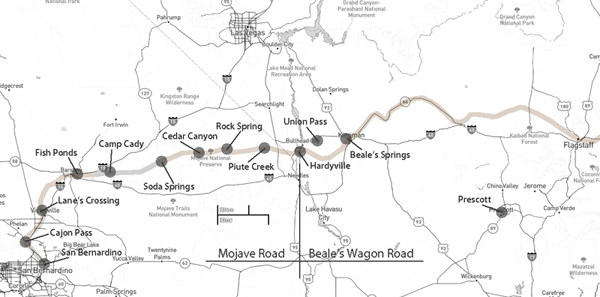
Mojave Indian Trail; Mojave River Trail; Mojave Road; Old Spanish Trail (where it drops into/uses Mojave River and related desert crossings); Beale’s Wagon Road (in its CA desert segment); Brown’s Toll Road (as the Cajon gateway upgrade); plus the generic “Wagon Roads” label when you’re talking about the 19th-century wagonable evolution of the same line.

The idea is simple: reliable water spacing and a workable pass dictated the alignment. The Mohave Trail conceptually underlies the later Mojave Road, and the NPS explicitly treats the Mojave Road through Mojave National Preserve as a branch of the Old Spanish National Historic Trail. Beale’s route description also ties his Mojave Desert segment to the Mojave Trail/Old Spanish Trail network, then notes the junction with the Mormon Road at the Mojave River. Brown’s Toll Road is best understood as “the Cajon Pass switch” that made the desert–coast connection more serviceable (toll/improvement era), not a whole new long-distance corridor by itself.

B) The LA ↔ Salt Lake “southern route” family (good-roads era branding laid over older travel)

Salt Lake Road; Old Spanish Trail (northern route pieces); Arrowhead Trails Highway; and again “Wagon Roads” as the pre-auto baseline.

This is the family that turns into the famous LA–Las Vegas–Salt Lake motor corridor in the auto-trails era. The BLM’s Arrowhead Trails Highway page is blunt about the lineage: the proposed/marketed auto route followed the late-19th-century “Old Mormon Road” and the earlier Old Spanish Trail. The Arrowhead Trail’s “association/branding layer” starts in 1916 (organized/incorporated that year) and is essentially a named-trail wrapper on that corridor.

C) “Good Roads” transcontinental overlays (names that often ride on top of existing roads, then feed into numbered highways)

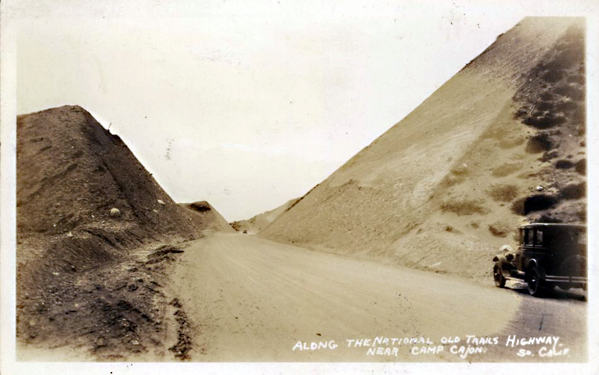
National Old Trails; Midland Trail; Route 66 (as the numbered successor in the Southwest); and sometimes Arrowhead Trails Highway where it shares pavement with the NOTR in Southern California.

The key point: these aren’t necessarily new alignments end-to-end; they’re promotional/organizational systems that sign and improve what counties and states already had. FHWA and other summaries describe the National Old Trails Road Association as one of the early major named-trail movements (founded 1912). In the West, big stretches of the NOTR were later folded into US 66, which was established/commissioned in 1926 (signing followed). The Midland Trail is another early signed transcontinental auto trail (signed by 1913) that overlaps conceptually with the named-trails era rather than replacing everything on the ground.

D) The Sierra/Eastern Sierra north–south family (LA ↔ Mojave ↔ Owens Valley and beyond)

Sierra Highway / El Camino Sierra.

This one is its own long corridor family, and it intersects the desert east–west systems at junction towns rather than duplicating them. It’s commonly framed as an early 20th-century promoted route (established/advertised early, with later highway rebuilds) connecting Los Angeles into the Eastern Sierra.

E) The Tejon/Tehachapi gateway family (LA Basin ↔ San Joaquin Valley crossings)

Fort Tejon Road; Ridge Route.

Think “northbound exit from the LA Basin” rather than “Mojave crossing.” The Los Angeles–Fort Tejon Road is described as a successful wagon road solution over/near the Tehachapi barrier, completed in 1855. The Ridge Route is the early engineered state highway-era answer (opened 1915) that finally made that link paved and direct in the automobile age.

F) San Bernardino/San Gabriel mountain connectors (coast ↔ mountain communities, not trans-desert corridors)

Rim of the World Drive; Angeles Crest Scenic Drive (Angeles Crest Highway); Van Dusen Road.

These are “mountain access projects” more than “interregional desert crossings.” Rim of the World Drive is documented as opening in 1915 to connect San Bernardino with Big Bear through the range. Angeles Crest Highway construction begins in 1929 and the completed through-route opens much later (mid-20th century). Van Dusen Road sits here as an earlier wagon-road era Big Bear/Holcomb access line tied to the 1860–61 gold rush logistics (often described as a wagon road built in 1861).

G) Death Valley–Panamint access network (mining roads, toll-road tourism era, park-era backroads)

West Side Road (Death Valley); Road to Panamint; Eichbaum’s Toll Road (same as “Eichbaum Toll Road”).

This family is its own ecosystem: borax-era freight roads, mining camp supply lines, then purpose-built access to resorts/tourism. NPS frames the borax era as transport over “primitive roads” (1883–1889). The Eichbaum Toll Road is well-documented as a 1925–26 build from near Darwin to Stovepipe Wells (i.e., a deliberate west-side entry improvement). “Road to Panamint” is best treated as the umbrella for the Panamint Valley/Skidoo/Rhyolite road-pushing phase in the 1906–1907 window and its successors; NPS history material and HAER/other documentation talk explicitly about wagon-road development and the Rhyolite–Skidoo road beginning in 1906 and being in use by 1907. West Side Road is the park backroad line on the valley floor’s west side (modern status aside), squarely in the “Death Valley internal access” bucket.

A Barstow Narrative

Barstow, California, from the 1870s through the present, with all key details preserved and arranged chronologically:


Barstow stands today at the center of the Mojave Desert’s long story of ranching, mining, railroads, and highways. Its history reflects the layered development of the Mojave River corridor, where water, transportation, and enterprise have drawn people across the desert for more than a century and a half.

Mojave River

In the years following the Civil War, the upper Mojave River region supported a few scattered cattle ranches and wagon stations. Before Barstow existed, the country between Oro Grande and Daggett was known for its open range and desert pastures. Herds were grazed along the Mojave River, using its shallow pools, seeps, and hand-dug wells. During the 1870s and 1880s, ranchers moved stock between the high country of the San Bernardino Mountains and the desert valleys, following trails that paralleled the river. Stations at places such as Lane’s Crossing and Fish Ponds served as watering points for stock and travelers. As the Santa Fe Railroad advanced across the desert, freight access to distant markets encouraged limited agriculture along the riverbanks. By the early 1900s, alfalfa, grain, and small orchards appeared in Victor Valley, and a few experimental plots extended downstream toward Barstow. The Arrowhead Reservoir and Power Company began purchasing riparian tracts between Victorville and Barstow to secure water rights, recognizing that the Mojave River would control the future of settlement. Though the arid climate limited cultivation, these early ranches and farms laid the foundation for the region’s first lasting economy before industry and highway travel arrived.

Fish Ponds

Barstow’s founding dates to the early 1880s, when the Atlantic & Pacific Railroad, later part of the Atchison, Topeka & Santa Fe system, pushed its line westward from Needles toward Mojave. In 1883, the mainline was completed across the desert, and a division point was established to centralize maintenance, crew changes, and fueling. This camp, called initially Waterman Junction, became the nucleus of Barstow. The town was renamed in 1884 for William Barstow Strong, president of the Santa Fe, and quickly became the railroad’s desert headquarters. Roundhouses, repair shops, and supply depots were built to serve the trains moving freight and passengers across the Mojave.

Santa Fe

While Barstow developed as a railroad town, the nearby community of Daggett became the milling and shipping center for the Calico silver mines. The Calico district boomed in the early 1880s, with more than a hundred mines producing ore that was hauled to Daggett for reduction and shipment east. In 1898, a short branch line was built from Daggett to Calico to carry ore directly to the Santa Fe main line. This small spur improved mining transport but did not found Barstow; the town was already well established as a division headquarters long before. Barstow’s location on the main transcontinental line—roughly midway between San Bernardino and Needles—gave it strategic importance that would outlast the mining booms around it.

Daggett, CA

As the 1890s ended and silver prices dropped, mining declined, but the railroad presence ensured Barstow’s survival. The town expanded with railroad housing, stores, and services for workers and travelers. The Mojave River valley became a modest agricultural district, producing hay, fruit, and dairy products for local use. By 1910, Barstow had schools, churches, and small businesses serving both rail employees and the surrounding ranch country.

Casa del Desierto, Harvey House

In 1911, the Fred Harvey Company constructed the Casa del Desierto, a grand Mission Revival depot and Harvey House that brought elegance and permanence to the desert town. The building served as a hotel, restaurant, and railroad office, offering travelers comfort along the route between Los Angeles and the Colorado River. It quickly became Barstow’s social center and symbol of progress. The Santa Fe expanded its shops, roundhouse, and yards, reinforcing the town’s position as a key maintenance and operating base.

El Garces, Harvey House

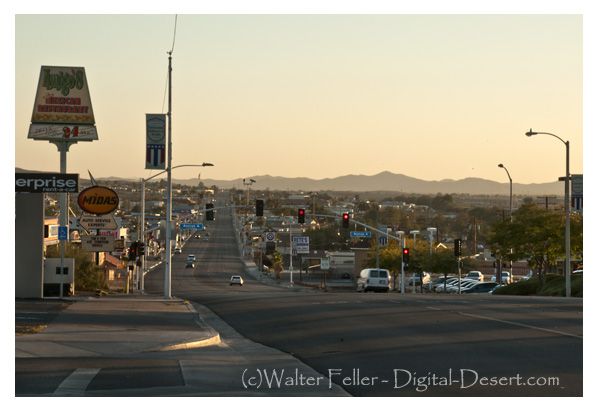
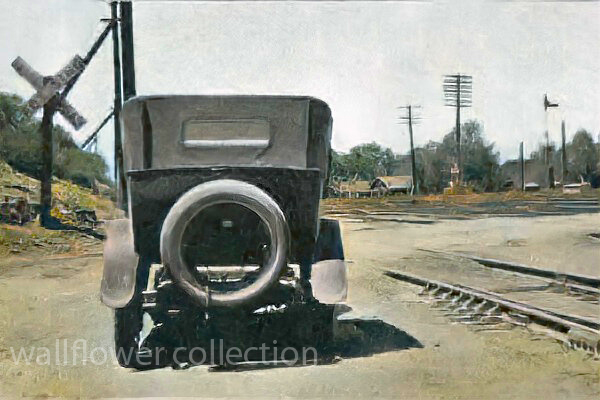
At the same time, the automobile age arrived. The National Old Trails Highway followed the corridor of the railroad, and by the 1920s, U.S. Route 66 brought a steady stream of motorists through town. Gas stations, garages, and cafes appeared along the main street, which paralleled the railroad tracks. Barstow became a vital service stop for travelers crossing the Mojave Desert, bridging two eras of transportation—steam and motor—and transforming from a company town into a crossroads community.

Route 66

The Great Depression slowed new growth, but Barstow endured. The flow of automobiles along Route 66 kept the economy alive, while the railroad continued to carry freight and passengers across the desert. By the late 1930s, the town’s main street was lined with motor courts, diners, and filling stations.

Yermo, CA

World War II brought another surge of activity. Barstow’s location on both the Santa Fe main line and Route 66 made it ideal for military supply and logistics. The Marine Corps established the Nebo Depot just west of town, handling ordnance and supplies for the Pacific war effort. Additional facilities at Daggett and Yermo supported troop movements and desert training exercises. Troop trains, fuel convoys, and war freight filled the region, and the population grew rapidly as railroad workers, servicemen, and civilian contractors arrived.

Calico Ghost Town

By the late 1940s, Barstow had become the true hub of the Mojave. Mining had faded, but rail, highway, and military operations kept the town busy. Route 66 was in its prime, bringing travelers east and west through a landscape alive with neon lights and the constant hum of engines. Barstow’s economy rested on three pillars: the Santa Fe Railroad, the Marine base, and the steady flow of cross-country traffic.

After the war, the new interstate system reshaped the desert. The Marine Corps Logistics Base at Nebo expanded during the 1950s, and the Yermo Annex was developed for vehicle storage and repair. Together, they became major employers for the region. Barstow’s population grew as families settled near the base, supported by trucking companies, service stations, and small industries. Route 66 reached its height during this period, and Barstow’s main street glittered with motels, diners, and bright neon signs welcoming motorists.

Interstate 15 Freeway

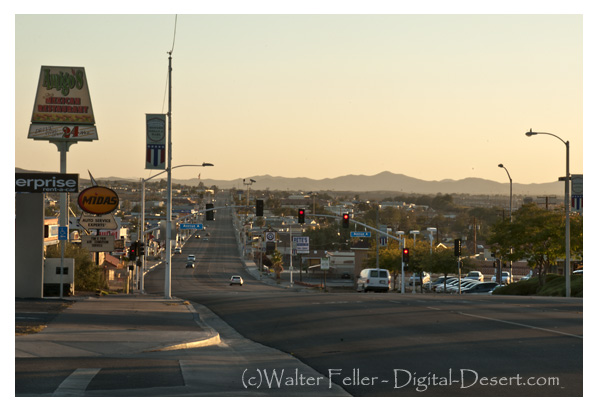
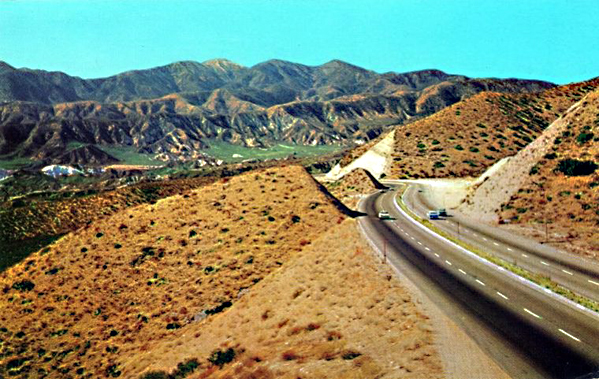
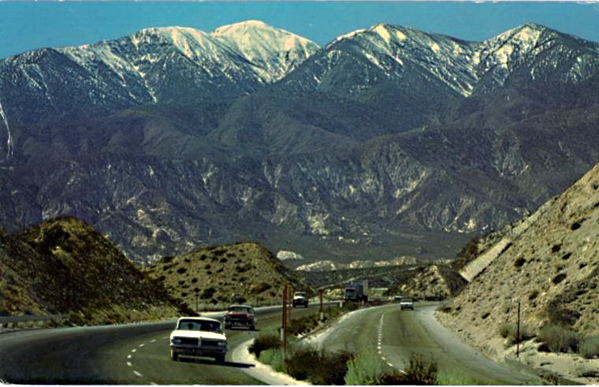
By the late 1960s, however, the new Interstate 15 and Interstate 40 began to bypass the older downtown route. Travel patterns shifted, and many classic roadside businesses declined. Still, the same geography that had favored Barstow from the start—its place at the meeting of routes—kept it alive. The Santa Fe Railroad remained one of the town’s largest employers, operating extensive classification yards. The Marine bases continued their vital supply missions, and long-haul trucking replaced some of the lost highway trade.

Harvey Girls

Through the 1970s, Barstow adapted to the new interstate era. Truck stops and logistics centers replaced many of the old motor courts. Route 66, though decommissioned later, remained a nostalgic symbol of the town’s mid-century heyday. The Casa del Desierto depot closed in 1973 when passenger rail service declined, but the building survived. Preservation efforts during the 1980s and 1990s restored it as a civic landmark housing the Western America Railroad Museum and the Route 66 Museum offices. The restored depot reopened to the public, honoring the legacy of the Harvey Girls and the long railroad heritage that gave the town its start.

Forks in the Road

Today, Barstow continues to serve as the crossroads of the Mojave Desert. It stands at the junction of Interstates 15 and 40, serving travelers, truckers, and freight moving between Southern California and the interior West. The BNSF Railway, successor to the Santa Fe, operates one of its largest freight classification yards in town, handling thousands of cars daily. The Marine Corps Logistics Base remains a major employer, linking Barstow to the modern defense and transportation economy.

Though much has changed, the pattern remains the same. The Mojave River still winds below the town, the rails still hum with freight, and the highways still carry travelers across the vast desert plain. Barstow’s story—from cattle ranching and mining to railroads and freeways—reflects the larger history of the Mojave itself: a land shaped by endurance, movement, and the constant meeting of past and present at the desert’s enduring crossroads.

Barstow, CA.


References and Supporting Sources

  1. Brown, John. History of San Bernardino and Riverside Counties. Los Angeles: Western Historical Association, 1922.
    • Primary descriptions of Mojave River water rights, Daggett and Calico mining activity, and railroad development through Barstow.
  2. Myrick, David F. Railroads of Arizona, Volume I: The Southern Roads. Howell-North Books, 1975.
    • Detailed coverage of the Atlantic & Pacific (Santa Fe) construction, Waterman Junction establishment, and early Barstow operations.
  3. Worman, C. Frank. Santa Fe’s Desert Division. Santa Fe Railway Historical Society Bulletin, 1949.
    • Background on Barstow’s role as a division point, maintenance hub, and Harvey House center.
  4. Thompson, David. Route 66: Across the Mojave Desert. Mojave River Valley Museum Press, 1987.
    • Documentation of the highway’s alignment through Barstow, roadside commerce, and mid-century travel culture.
  5. Mojave River Valley Museum Archives. Barstow Historical Collection.
    • Local materials on ranching, early settlement, and photographs of the Casa del Desierto and Route 66 period.
  6. Marine Corps Logistics Base, Barstow. Historical Overview and Command Chronology. U.S. Marine Corps Archives.
    • Details on Nebo Depot and Yermo Annex development during and after World War II.
  7. U.S. Department of Transportation, Federal Highway Administration. Interstate System in California: Desert Corridors Report, 1974.
    • Analysis of Interstate 15 and 40 construction and their impact on Barstow’s highway economy.
  8. Mojave Desert Archives, Digital Desert Project. Barstow: Rail, River, and Road Chronology.
    • Synthesized regional materials integrating historical, geographical, and transportation data for Barstow and the surrounding Mojave River corridor.

An Old Motel

Them dreams ain’t broken. They is just done playin’

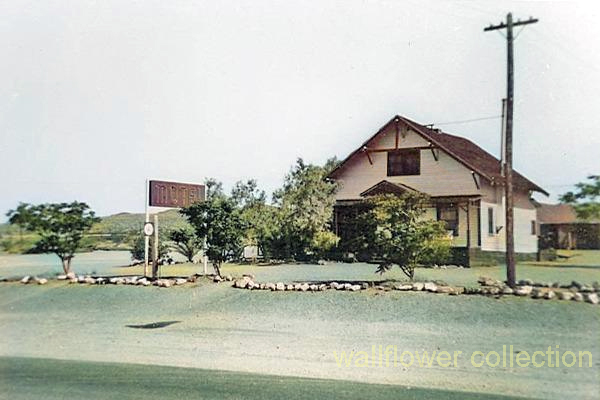
There’s an old motel squatting beside the highway, its sign missing letters so it only spells half a word. Rows of doors face the road, all painted the same tired color, their numbers faded and flaking. The pool out back is nothing but cracked plaster and tumbleweeds. Travelers glance at it now and mutter, “broken dreams.”

But for a time, this place was buzzing. Neon glowed red and blue against the desert night, a beacon for weary drivers. Families pulled in with dust on their bumpers, kids tumbling out of cars and racing to the pool. Truckers parked out front, stretching stiff legs before grabbing a room. The ice machine clattered, the soda machine hummed, and radios crackled through thin walls. Each door held a story—honeymooners, salesmen, wanderers chasing the horizon.

The motel didn’t die because dreams collapsed. It faded when the road shifted, when chains offered cheaper beds closer to the freeway, when travel changed shape. The neon flickered out one night, the owner sold off the furniture, and the desert began to sift sand across the parking lot.

Now it sits in silence, a hollow frame where laughter once echoed. If you stand there at dusk, when the sky goes purple and the wind rattles the broken sign, you can almost hear the faint splash of kids in the pool, the muffled slam of a screen door, the hum of neon calling strangers in from the dark. Not broken dreams. Just the afterglow of a place that served its purpose and then stepped aside.

Dunes Motel

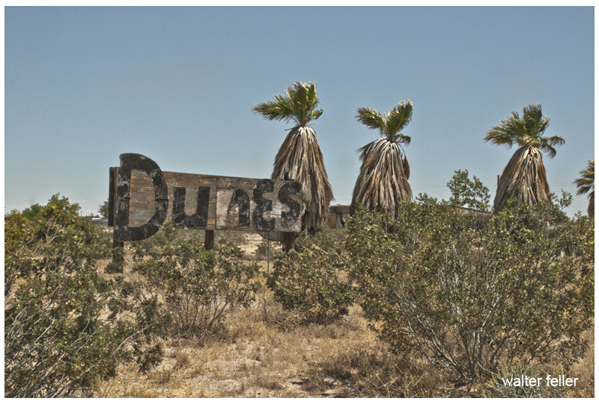
The Dunes Motel on Route 66 near Lenwood, California, was built in the late 1940s or 1950s. It had four buildings, each with four rooms (16 total), centered around a swimming pool designed to create a desert oasis feel. Located about 2.5 miles west of Lenwood at 23135 National Trails Highway, it catered to travelers during the heyday of Route 66.

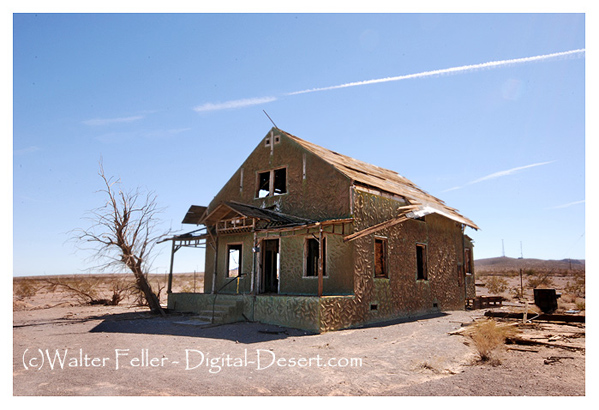
Over time, with the arrival of Interstate 15 pulling traffic away, the motel declined. Today, it stands abandoned, with boarded windows, graffiti, and remnants like its old sign and pool still visible. Some recall it functioning more like an apartment complex in its later years, and it has even acquired a reputation for being haunted.

Lenwood itself once hosted several motels, cafes, and even a drive-in theater, but like the Dunes, most faded after the freeways bypassed Route 66.

Lenwood, CA

Route 66 – Barstow

Interstate 15

Digital-Desert & Mojave Desert .Net

The digital-desert.com and mojavedesert.net sites share the same subject matter and similar structure, dealing with the Mojave Desert and surrounding regions. Both of them provide learning materials, exploration tools, and information on history.

Here are the main parts that make up both sites:

1. Natural History Geology: Rock formations, fissures in the earth (such as the San Andreas Fault), volcanic activity, and desert patterns. Lake systems (e.g., former Lake Manix and dry lakes such as Soda Lake).

Ecology: Plants and animals that live in desert environments include Joshua trees, creosote bushes, desert tortoises, and bighorn sheep. Habitats include sand dunes, salt flats, canyons, and oases.
Climate: Desert weather patterns include very hot temperatures, seasonal rain, and wind events.

2. Human History Native American Culture: Tribes such as the Mojave, Chemehuevi, Serrano and Paiute. Rock art, traditions, and trade routes such as the Old Mojave Trail. Explorers and Pioneers: Tales of explorers like Jedediah Smith, Kit Carson, and Father Garces. Principal routes: Mojave Road, Spanish Trail, and Butterfield Overland Mail. Mining History: Gold, silver, and borax mining expand rapidly. Specific mining towns and operations are Calico, Rhyolite, and Boron. Historic Places and Ghost Towns: Places like Kelso Depot, Ballarat, and Pioneer Town. Old abandoned buildings, stage stops, and rail history.

3. Geography and Exploration Areas and Landmarks: Joshua Tree National Park Death Valley Mojave National Preserve and Rainbow Basin. Special shapes such as the Devil’s Punchbowl, Afton Canyon, and sand hills. Streets and Roads: Route 66, Old Mojave Road, and gorgeous roads. Hiking and driving routes with maps and information. Interactive Maps: Topographic and historical maps depicting routes of exploration and other localities.

4. Cultural Characteristics Towns and Communities: Tales of desert towns such as Barstow, Victorville, Littlerock, and Needles. Key Players: The area called Death Valley housed early settlers and miners, even famous dudes like Roy Rogers. Art and Folklore: Desert-themed art installations, legends (e.g., ghost stories, lost mines) and folklore.

5. Learning and Information Photos and Pictures: Large photo galleries of desert landscapes, animals and abandoned places. Field Guides: Resources for identifying plants and animals. History Timelines: A summary of geological, prehistoric, and modern historical events. Resource Links: References to books, museums and archives for further research.

6. Fun Guides Camping and Hiking: Lists of campgrounds, remote places, and summaries of hiking trails.
Driving Tours: Ideas for a nice road trip with important places to see.
Safety and Preparation: Tips for desert exploration, including hydration, navigation, and safety around wildlife.

While digital-desert.com focuses on exploration and natural beauty through detailed guides and maps, mojavedesert.net often has a more structured historical narrative and cultural focus. Both sites are resources for desert enthusiasts, historians, and educators.

Pendergast Hotel

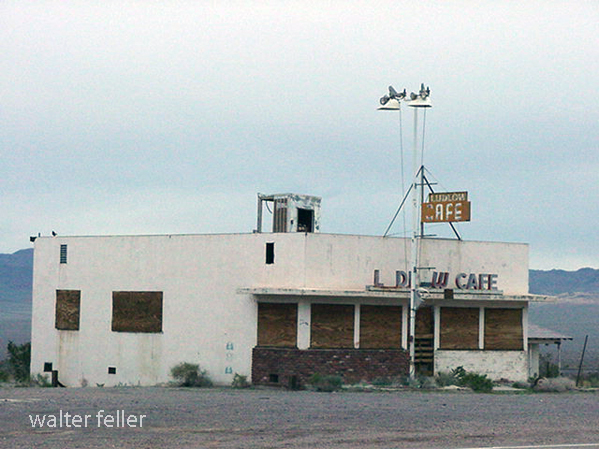
Ludlow, California

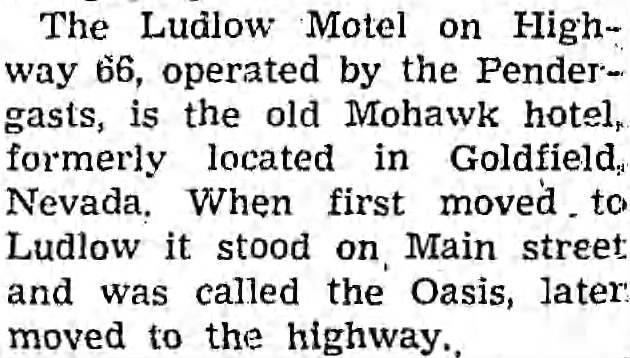
The Pendergast Hotel in Ludlow, California, has a rich history tied to the development of the Mojave Desert and the railroad’s bustling activity.

Early History and Construction: The Pendergast Hotel was established during the late 19th century, likely around the time the Southern Pacific Railroad extended its lines through the Mojave Desert. Ludlow became an important stop along the route, leading to the development of various amenities, including hotels to serve travelers and workers.

Ownership and Operation: The hotel was named after its owner, Edward Pendergast, a prominent figure in the local community. Pendergast was involved in various business ventures and contributed to the growth and development of Ludlow.

Role in the Community: The Pendergast Hotel served as a central hub for the community, providing lodging, meals, and a place for social gatherings. It catered to railroad workers, miners, and travelers passing through the region.

Decline and Historical Significance: As the railroad’s importance diminished and transportation shifted towards automobiles, Ludlow and the Pendergast Hotel experienced a decline. However, the hotel remains a significant part of Ludlow’s history, representing the era of railroad expansion and the development of the Mojave Desert.

Preservation and Legacy: While the hotel no longer operates, it stands as a historical landmark, offering a glimpse into the past and Ludlow’s role in the broader context of the Mojave Desert’s development.

If you are interested in more detailed historical accounts, local archives, and historical societies in the area may provide further insights into the Pendergast Hotel and its impact on the region.

Barstow & the National Old Trails Road

Barstow, California, has a significant historical connection to the National Old Trails Road, which was key in developing the American road transportation system. The National Old Trails Road, also known as the Ocean-to-Ocean Highway, was established in the early 20th century and stretched from Baltimore, Maryland, to California, ending in Los Angeles. This road was one of the earliest transcontinental highways and was instrumental in promoting automotive travel and the development of roadside infrastructure across the United States.

Barstow’s Role
/notr/

Barstow emerged as an essential stop along the National Old Trails Road due to its strategic location at the junction of several key routes. It lies at the crossroads of the Mojave River Valley, where the Salt Lake Trail, the Mojave Road, the Old Spanish Trail, and later, the railroad routes converge. This made Barstow a crucial hub for transportation and logistics, connecting the eastern parts of the country with the West Coast.

Development and Impact
/barstow-ca/

With the rise of the automobile, Barstow became a popular stopover for travelers traveling across the country. The town provided essential services such as lodging, fuel, and vehicle repairs, which helped support its local economy. The presence of the National Old Trails Road also encouraged the development of other infrastructure, including the famed Route 66, which was aligned with parts of the Old Trails Road.

Route 66 and Beyond
/route-66/

In 1926, with the establishment of the U.S. Highway System, much of the National Old Trails Road was incorporated into U.S. Route 66. Barstow continued to thrive as a key stop along Route 66, attracting tourists and travelers with its diners, motels, and other attractions tailored to the road-tripping public.

Today, Barstow celebrates its rich transportation history through museums and cultural sites that highlight its role in the era of cross-country travel. The town serves as a gateway to regional attractions and continues to honor the legacy of the National Old Trails Road and Route 66.

Barstow Life

What would it have been like to live on the edge of the desert wilderness between 1850 and 1970?

Life in the Barstow, Daggett, and Calico area between 1850 and 1870 would have been characterized by the challenges and opportunities of frontier living and the influence of the California Gold Rush.

During this period, the area was an important outpost along the Mojave Road, a major trade route connecting southern California with the rest of the Southwest. Barstow, Daggett, and Calico towns would have seen a steady stream of pioneers, settlers, and traders passing through, seeking respite, supplies, and companionship on their journeys.

Life in the area would have been challenging, as settlers and travelers had to contend with harsh desert conditions, extreme temperatures, and limited resources. The towns would have offered essential services—food, water, lodging, and blacksmithing —providing a lifeline for those passing through the unforgiving landscape.

The California Gold Rush of the late 1840s and 1850s also affected the area, as prospectors and miners flocked to California in search of their fortunes. The discovery of gold and other minerals in the region attracted settlers and entrepreneurs, leading to mining camps and boomtowns.

Life in the mining camps and towns would have been marked by hard work, uncertainty, and camaraderie as people came together to build communities and seek their fortunes in the California desert. The mining industry played a central role in shaping the area’s economy and society, with miners facing dangerous working conditions and fluctuations in the market for minerals.

Overall, life in the Barstow, Daggett, and Calico area between 1850 and 1870 would have been characterized by the challenges and opportunities of frontier living. The towns served as vital outposts, providing essential services and support to pioneers and settlers seeking a better life in the American West.

1871 – 1900

The introduction of the railroad to the Barstow, Daggett, and Calico area between 1871 and 1900 would have significantly impacted the region’s life and economy.

The railroad would have facilitated the transportation of goods, materials, and people to and from the mining towns, making it easier to access the area and transport resources in and out. This would have boosted the local economy and helped the mining industry thrive by providing a more efficient means of transportation for the minerals extracted from the mines.

The railroad also brought an influx of new settlers and businesses to the area, further contributing to the growth and development of the towns. The increased connectivity provided by the railroad would have helped the communities in the area become more integrated with the rest of the region and the broader economy.

Life in the mining towns between 1871 and 1900, with the presence of the railroad, would have been marked by increased economic activity, improved infrastructure, and enhanced opportunities for trade and commerce. The towns would have become more connected to the outside world, allowing for exchanging goods, services, and ideas.

The railroad would have also influenced social life in the towns, bringing new cultural influences and experiences to the area. The increased mobility provided by the railroad would have allowed for more interaction between the residents of the mining towns and the wider world, enhancing the diversity and vibrancy of the communities.

Overall, the introduction of the railroad to the Barstow, Daggett, and Calico area between 1871 and 1900 would have been a transformative event, shaping the region’s economy, society, and culture and contributing to the growth and prosperity of the mining towns during this period.

1901 – 1926

Life in the Barstow, Daggett, and Calico areas between 1901 and 1926 would have been influenced by the region’s continued growth and development, as well as by significant historical events and social changes during that time.

  1. Railroad Expansion: The early 20th century saw further expansion of the railroad network in the area, with the Atchison, Topeka, and Santa Fe Railway playing a prominent role. The railroads continued to be a driving force in the local economy, facilitating the transportation of goods, people, and resources to and from the towns.
  2. Mining Industry: The mining industry remained a significant part of the economy during this period, with Calico continuing to produce silver, borax, and other minerals. The town experienced periods of boom and bust as the demand for minerals fluctuated, shaping the livelihoods of the residents in the area.
  3. Cultural and Social Changes: The early 20th century brought about changes in cultural and social norms, with new technologies, entertainment, and modes of transportation becoming more prevalent in the region. The towns would have been influenced by trends in popular culture and the influx of new residents and visitors to the area.
  4. World War I: The impact of World War I would have been felt in the Barstow, Daggett, and Calico areas, with residents likely affected by the war effort, rationing, and economic changes resulting from the conflict. The mining industry may have seen shifts in production and demand during this time.
  5. Prohibition and the Roaring Twenties: The period also saw the implementation of Prohibition in the United States, which may have had varying effects on the towns depending on their adherence to the ban on alcohol. The Roaring Twenties brought about changes in social customs, fashion, and entertainment that would have been reflected in the area’s communities.

Overall, life in the Barstow, Daggett, and Calico areas between 1901 and 1926 would have been a dynamic mix of economic, social, and cultural changes shaped by the continued growth of the region, historical events, and the evolving lifestyles of the people living in the American Southwest during this time.

1927 – 1940

Significant changes in transportation, economic conditions, and social dynamics shaped life in the Barstow, Daggett, and Calico areas between 1926 and 1940. The introduction of the National Old Trails Highway and later Route 66, followed by the onset of the Great Depression, would have had a profound impact on the communities in the region.

  1. Route 66 and Transportation: Establishing Route 66 as a major east-west highway in 1926 would have brought increased traffic, travelers, and commerce through the towns of Barstow, Daggett, and Calico. The highway served as a vital link between the Midwest and the West Coast, providing economic opportunities for businesses along its route.
  2. Impact of the Great Depression: The onset of the Great Depression in 1929 would have brought economic hardship to the area’s residents. The collapse of the economy, widespread unemployment, and financial instability would have affected the towns’ businesses, workers, and families, leading to struggles to make ends meet and maintain their livelihoods.
  3. Mining Industry and Agriculture: The mining industry in Calico and surrounding areas may have been impacted by the economic downturn, with fluctuations in demand for minerals and challenges in maintaining profitability. Agriculture in the region may have also faced challenges due to the Depression, affecting local farmers and growers.
  4. Migration and Transient Population: The economic conditions of the Great Depression may have led to an influx of migrants, transient populations, and “Okies” traveling along Route 66 in search of work and opportunities. The towns along the highway would have seen more transient populations passing through, seeking respite and resources.
  5. Community Support and Resilience: Despite the era’s challenges, the communities in Barstow, Daggett, and Calico would have likely come together to support one another, with local organizations, churches, and charities assisting those in need. Resilience, resourcefulness, and a sense of community would have been key in navigating the difficulties of the Great Depression.

Overall, life in the Barstow, Daggett, and Calico area between 1926 and 1940 would have been characterized by the transformative impact of Route 66, the challenges of the Great Depression, and the resilience of the communities in the face of economic hardship and uncertainty. The towns would have been part of a shifting landscape shaped by changes in transportation, economy, and society during this time period.

1941 – 1970

Life in the Barstow area between 1941 and 1970 would have been marked by significant historical events, economic changes, and social transformations that influenced the development and character of the region during this period. Here are some key aspects of life in the Barstow area between 1941 and 1970:

  1. World War II and Military Presence: The outbreak of World War II in 1941 would have profoundly impacted the Barstow area, as the town’s strategic location and proximity to military installations made it a hub for military activity. The nearby Marine Corps Logistics Base Barstow and the National Training Center at Fort Irwin would have brought a significant military presence to the region, influencing the local economy and community.
  2. Industrial Development: The post-war period saw the growth of industrial development in the region, driven in part by the construction of highways, such as Interstate 15 and Interstate 40, that passed through the Barstow area. The expansion of transportation infrastructure, including railroads and highways, facilitated the movement of goods and people through the region, contributing to economic growth.
  3. Population Growth and Urbanization: The period between 1941 and 1970 would have witnessed population growth and urbanization in the Barstow area as more people moved to the region searching for employment opportunities, particularly in the military, transportation, and logistics sectors. The town of Barstow would have experienced changes in its demographics and urban landscape during this time.
  4. Cultural and Social Changes: The post-war period brought about cultural and social changes in the Barstow area, influenced by trends in popular culture, music, and entertainment. The town would have been impacted by shifts in societal norms, technological advancements, and changing attitudes toward race and gender.
  5. Civil Rights Movement and Social Activism: The Civil Rights Movement of the 1960s would have resonated in the Barstow area as communities grappled with racial inequality, discrimination, and social justice issues. Residents may have participated in civil rights activism, protests, and movements for equality and justice during this period.
  6. Environmental Concerns: The growth of industrial activity and infrastructure in the Barstow area would have raised ecological concerns related to pollution, resource depletion, and land use. In response to these challenges, residents may have become more aware of the need for environmental conservation and sustainability.

Overall, life in the Barstow area between 1941 and 1970 would have been shaped by wartime mobilization, industrial development, population growth, cultural changes, social activism, and environmental considerations. The region would have been part of a dynamic landscape undergoing transformation and evolution in response to historical events and societal shifts during this time.

1971 – 2000

Living in the Barstow area from 1971 to 2000 would have been characterized by continued growth, industry changes, demographic shifts, and evolving social dynamics. Here are some critical aspects of life in the Barstow area during this period:

  1. Military Influence: The presence of military bases, such as the Marine Corps Logistics Base Barstow and the National Training Center at Fort Irwin, would have continued to shape the economy and community of the Barstow area. Military personnel and their families would have been a significant part of the population, contributing to the local economy and culture.
  2. Transportation Hub: Barstow’s strategic location at the intersection of major highways, including Interstate 15 and Interstate 40, would have solidified its role as a transportation hub. The town would have continued to serve as a stop for travelers, truckers, and tourists passing through the area on their way to Southern California destinations.
  3. Industrial and Economic Development: From 1971 to 2000, the Barstow area would have seen further industrial and economic development. The expansion of logistics, transportation, and distribution industries would have created job opportunities and attracted businesses to the region, contributing to local economic growth.
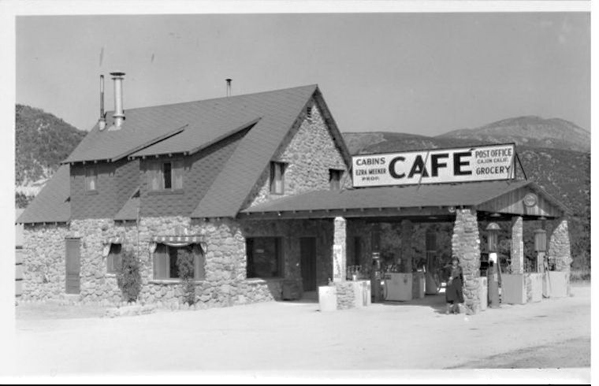
  4. Tourism and Hospitality: Barstow would have become a popular stopping point for tourists visiting attractions such as the Calico Ghost Town, the Mother Road Museum, and Route 66 landmarks. The hospitality industry, including hotels, restaurants, and retail shops, would have flourished to cater to visitors passing through the area.
  5. Environmental Awareness and Conservation: The Barstow area may have experienced increasing awareness of environmental issues and a growing emphasis on conservation and sustainability during the 1971 to 2000 period. Efforts to protect natural resources, preserve desert ecosystems, and promote responsible land use would have become more prominent in the community.
  6. Cultural Diversity and Community Life: The demographic makeup of the Barstow area would have continued to diversify, reflecting immigration, migration, and changes in population trends. Residents would have celebrated cultural diversity through community events, festivals, and activities that showcase different traditions and heritage.
  7. Technological Advancements: Advances in technology, communication, and digital infrastructure would have influenced daily life in the Barstow area. Residents may have experienced improved connectivity, access to information, and changes in how they interact with technology in their personal and professional lives.

Living in the Barstow area from 1971 to 2000 would have been characterized by a mix of military influence, transportation prominence, economic development, tourism opportunities, environmental awareness, cultural diversity, and technological advancements. The town would have continued to evolve and adapt to changing conditions while maintaining its role as a significant community in the high desert region of Southern California.

2001 – 2021

Life in the Barstow area from 2001 to today would have been characterized by further economic development, changes in industry, continued military presence, technological advancements, and ongoing efforts to address social and environmental issues. Here are some critical aspects of life in the Barstow area during this period:

  1. Economic Diversification: The Barstow area would have continued to diversify its economy beyond traditional industries such as transportation and military-related sectors. Efforts to attract new businesses, promote tourism, and support local entrepreneurship would have contributed to the region’s economic growth and job creation.
  2. Renewable Energy Initiatives: The Barstow area may have seen increased focus on renewable energy initiatives, such as solar and wind power projects, as part of efforts to transition towards sustainable energy sources and reduce reliance on fossil fuels. These developments would have created opportunities for green jobs and investment in clean technology.
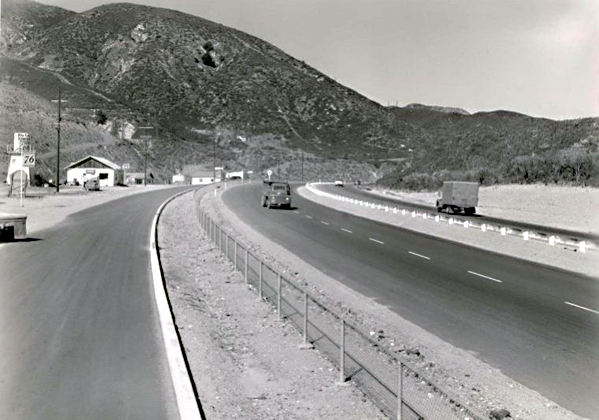
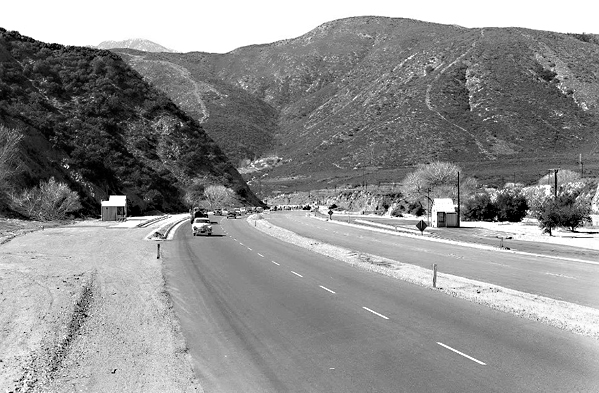
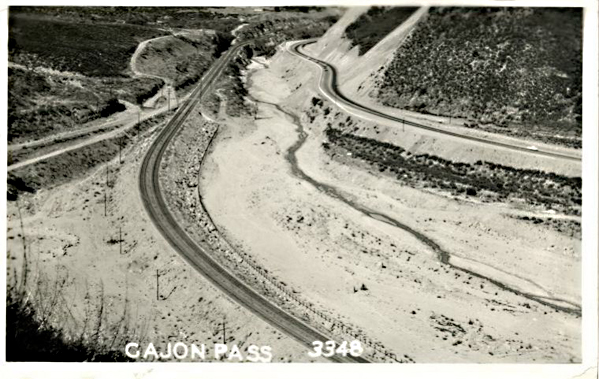
  3. Infrastructure Improvements: Infrastructure projects, including upgrades to transportation networks, utilities, and public facilities, would have been implemented to support the growing population and economic activities in the Barstow area. Investments in infrastructure would have aimed to enhance connectivity, efficiency, and quality of life for residents.
  4. Military Training and Operations: The Marine Corps Logistics Base Barstow and the National Training Center at Fort Irwin would have continued to play a significant role in the community, providing training and support for military personnel and contributing to the local economy. Military exercises and operations conducted in the region would have influenced daily life for residents.
  5. Education and Healthcare Services: Access to education and healthcare services in the Barstow area would have been a focus of community development efforts. Schools, colleges, and medical facilities would have expanded to meet the needs of a growing population and ensure that residents have access to quality services.
  6. Community Engagement and Social Initiatives: Community organizations, non-profit groups, and local government agencies would have worked together to address social issues, promote inclusivity, and support community well-being. Initiatives related to youth programs, affordable housing, healthcare access, and cultural events would have enriched the social fabric of the Barstow area.
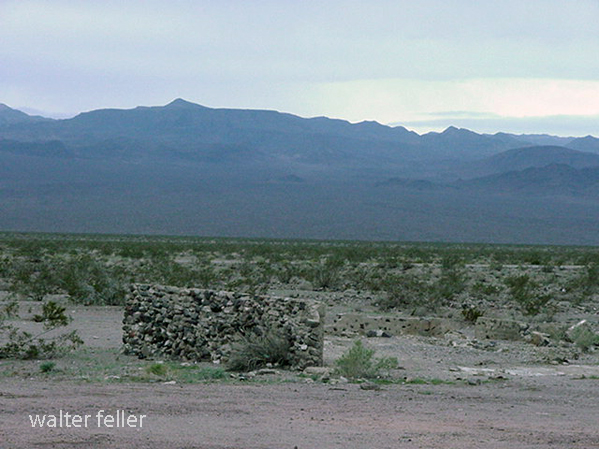
  7. Digital Connectivity and Innovation: Technological advancements in communication, digital infrastructure, and e-commerce would have influenced how residents in the Barstow area connect, access services, and engage with the broader world. Efforts to expand broadband access and promote digital literacy would increase connectivity and provide opportunities for residents.

Overall, life in the Barstow area from 2001 to today would have been shaped by ongoing economic development, infrastructure improvements, renewable energy initiatives, military activities, community engagement, technological advancements, and efforts to address social and environmental challenges. The region would have continued to evolve and adapt to changing conditions while maintaining its unique character and sense of community in the high desert of Southern California.

Barstow Index

Barstow California Area

digital-desert.com › barstow

Barstow Area. Barstow lies in the intersection of the three largest ecosubsections in the Mojave Desert; High Desert Plains & Hills (322Ag), Mojave Valley – …

Barstow, California

digital-desert.com › barstow-ca

Barstow 1890. Barstow is situated at the junction of the California Southern and the A. &. P. Railway, eighty-two miles from San Bernardino and twelve miles …

Kramer Junction (Four Corners) Mojave High Desert

digital-desert.com › kramer-junction-ca

3) Go west on the State Route 58 through Boron, Mojave or California City and up to Tehachapi and over the Southern Sierra. 4) Go east to Barstow. There is food …

Vanyume Indians

mojavedesert.net › vanyume-indians

Mojave Desert Indians – Map. Vanyume Indians. The Vanyume or Beñemé, as Father Garces called them, lived beyond and along much of the length of the Mojave …

Casa del Desierto

digital-desert.com › casa-del-desierto

Casa del Desierto – Harvey House. Barstow Harvey House and train station photo – Casa del Desierto Casa del Desierto: The Spanish for “House of the Desert” In …

Barstow, California – Notes

digital-desert.com › blog

Nov 4, 2023  Today, it remains an essential point of access and commerce for those traveling through the Mojave Desert in Southern California. Post Views: 12.

Goldstone, Barstow California, Mojave Desert

digital-desert.com › goldstone-ghost-town

Goldstone Ghost Town. More of a site than a ghost town, there are only a few scattered foundations and some rubble to be found. The area is now home to NASA’s …

History of Barstow the National Old Trails Road and Route 66

digital-desert.com › barstow-ca › moving-barstow

The Barstow yards are used jointly by the Santa Fe and Union Pacific and handily very considerable volume of the transcontinental traffic. Hence the railroad …

Barstow, Ca Historic Photos

digital-desert.com › barstow-ca › historic-photos

Burton Frasher photos of Barstow, California.

Peggy Sue’s 50s Diner

/yermo-ca/

Peggy Sue's Diner, Yermo, Route 66, nostalgia, 1950s

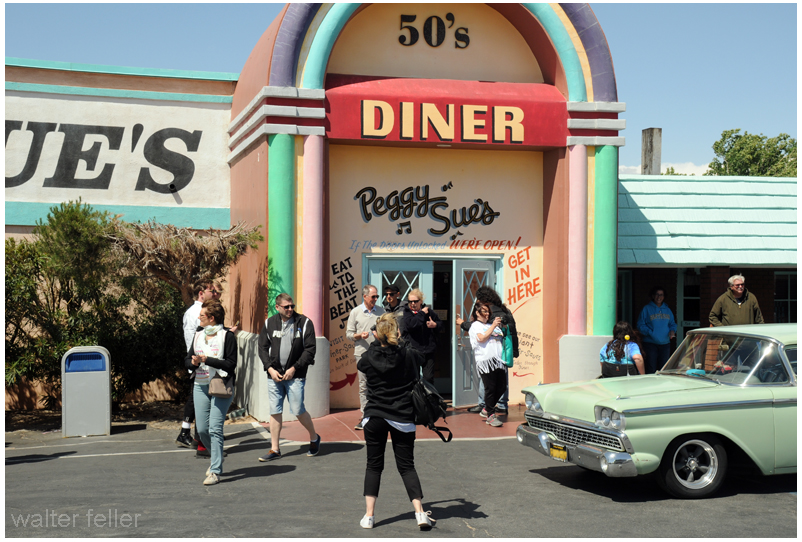
Peggy Sue’s 50s Diner is a well-known retro-themed diner in Yermo, California. It’s designed to resemble a classic 1950s diner, with vintage decor, neon lights, and a nostalgic atmosphere.

The diner typically offers classic American diner fare, such as burgers, shakes, fries, and other comfort food items. Additionally, Peggy Sue’s may have themed events or activities to enhance the 1950s experience for visitors.