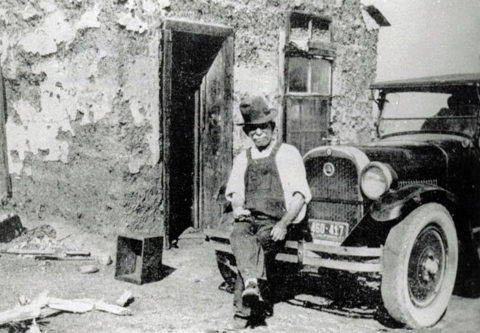
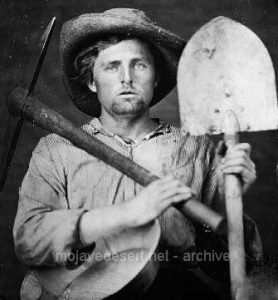
The best strike I ever made was in 1904 when I discovered the Rhyolite and Bullfrog district. I went into Boundary Canyon with five burros and plenty of grub, figuring to look over the country northeast from there. When I stopped at Keane Wonder Mine, Ed Cross was there waiting for his partner, Frank Howard, to bring some supplies from the inside. For some reason Howard had been delayed, and Cross was low on grub.
Half a Century Chasing Rainbows By Frank “Shorty” Harris as told to Phillip Johnston Touring Topics: Magazine of the American Automobile Association of Southern California October 1930
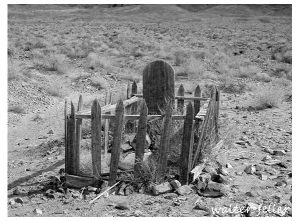
A lost party, the Bennett, Arcane, and Wade families had taken a different route trying to traverse the mountain ranges. The Wade family, traveling behind the others, were the only ones to find their way out of (today’s) Death Valley with their wagons intact. The Bennett and Arcane families felt they could not continue after suffering terrible hardships. Two members left on foot and returned with food and supplies to rescue the others. Actually, only one party member died from starvation and lack of water and was buried there. Legend has it that as the party crested over the rim on their way out of that forbidden valley, Juliet Brier, a woman noted the following in her diary, “Goodbye Death Valley.” (NOTE: From Irving Stones book, “Men to Match My Mountains”
The naming of Death Valley, located in Eastern California, is a topic of interest and speculation. This vast desert valley, known for its extreme heat and arid conditions, has a name that evokes a sense of foreboding and danger.
Contrary to popular belief, the name “Death Valley” was not given due to the number of deaths occurring within its borders. In fact, the valley’s name can be traced back to a group of pioneers who experienced a challenging journey through this unforgiving landscape in the mid-19th century.
In 1849, a group of gold prospectors, known as the “Lost 49ers,” ventured into what is now Death Valley in search of riches. However, their journey quickly turned into a struggle for survival. Many groups perished along the way when facing scorching temperatures, lack of water, and hostile terrain.
The survivors of this ill-fated expedition gave the valley its name. As they emerged from the treacherous landscape, they reportedly looked back and proclaimed, “Goodbye, Death Valley!” This proclamation, filled with relief and gratitude for having survived the ordeal, stuck, and the name Death Valley became etched in history.
Over time, the name Death Valley symbolizes this unique geographical feature’s harsh and inhospitable nature. The valley’s extreme temperatures, with summer highs regularly exceeding 120 degrees Fahrenheit, make it one of the hottest places on Earth. Its arid conditions and sparse vegetation add to its desolate and foreboding reputation.
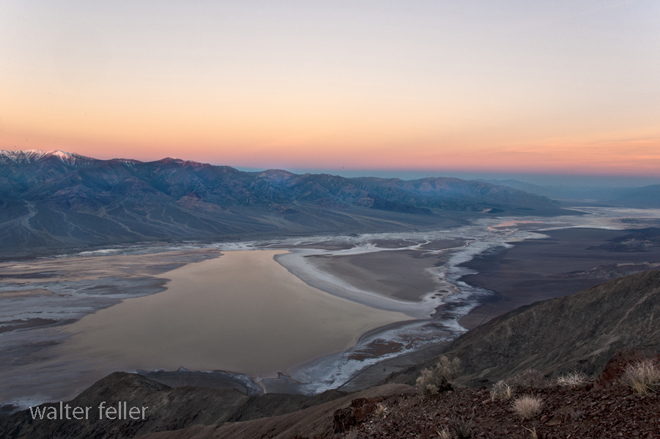
Despite its ominous name, Death Valley is not entirely devoid of life. Various species of plants and animals have adapted to the harsh conditions, carving out a fragile existence amidst the barren landscape. The valley also boasts stunning geological formations, such as the towering Mesquite Flat Sand Dunes and the iconic Badwater Basin, the lowest point in North America.
Death Valley National Park’s unique beauty and extreme environment attract visitors worldwide. The park offers opportunities for hiking, camping, and exploring the arid expanses. However, caution is always advised due to the valley’s harsh conditions and proper preparation.
In conclusion, the naming of Death Valley is rooted in the experiences of the pioneers who first traversed its challenging terrain. While the name may evoke a sense of danger and foreboding, it serves as a testament to the resilience of the human spirit and the ability to adapt to even the harshest environments.
Ludlow, California, a small unincorporated town along Route 66, has a fascinating history stretching back to the late 19th century. Looking into Ludlow’s captivating past sheds light on its significant role in California’s development and the nation.
Early Settlement:
Ludlow’s story began in the 1870s when it served as a crucial railway stop along the Atlantic and Pacific Railroad. The town was named Ludlow in honor of William Ludlow, a prominent railroad engineer. Ludlow’s establishment facilitated transportation and trade in the region.
Mining Boom:
Ludlow experienced a significant boom during the early 1900s, primarily due to the discovery of rich mineral deposits in nearby mines. Gold, silver, and copper mining became the backbone of Ludlow’s economy, attracting miners and prospectors from far and wide. The town flourished with the opening of several mines, leading to a surge in population and the establishment of essential amenities such as schools, saloons, and general stores.
The Birth of Route 66:
In 1926, Route 66 connected Chicago, Illinois, to Santa Monica, California. Structurally located along this iconic highway, Ludlow became a popular pit stop for travelers, providing essential services and accommodations. The construction of Route 66 brought increased prosperity to Ludlow, as it became a hub for tourists and truckers alike.
The Rise and Fall:
Ludlow continued to thrive throughout the mid-20th century, with gas stations, cafes, and motels catering to the needs of travelers along Route 66. However, the town’s fortunes took a downturn with the opening of Interstate 40 in the 1970s, which bypassed Ludlow, diverting traffic away from the once-thriving town. As a result, Ludlow gradually declined, with many businesses closing their doors.
Preservation and Revitalization:
Despite its decline, Ludlow still bears witness to its storied past. Today, it reminds us of Route 66’s golden age, with several historic buildings still standing. Efforts are underway to preserve and restore these structures, allowing visitors to glimpse Ludlow’s vibrant past. The town has also become popular with photographers and history enthusiasts, who appreciate its authentic charm and nostalgic appeal.
Conclusion:
Ludlow, California, has a rich history as a railway stop, mining boomtown, and a prominent pit stop along Route 66. While the town has experienced its fair share of challenges, its historical significance and unique character make it a place worth exploring for anyone interested in California’s past. Ludlow is an enduring legacy of the Old West and the indomitable spirit of the communities that shaped the American landscape.
In warm weather —and it is hardly ever cold in their tropic valley —the men wear only a breech-clout, and the women a single garment generally made of flaming bandannas bought in the piece. They dress their long hair in curious ropes, and plaster the scalp with mud, tattoo the chin in wild patterns, and have no ornaments save fichus, which they make with great skill from tiny glass beads.
They have been practicing cremation from time immemorial, and were just having a funeral near East Bridge. The corpse, dressed in its best, was stretched on top of a huge pile of dry old ties from the railroad, and the chief mourner touched a torch to the heap of dry brush at the bottom. As the flames sprang aloft and hissed and roared, the mourners stood in a gloomy ring, chanting a wild refrain ; and as the savage fire and savage song went on, they threw upon the pyre from time to time all the earthly possessions of the deceased, and one by one their own garments and ornaments.
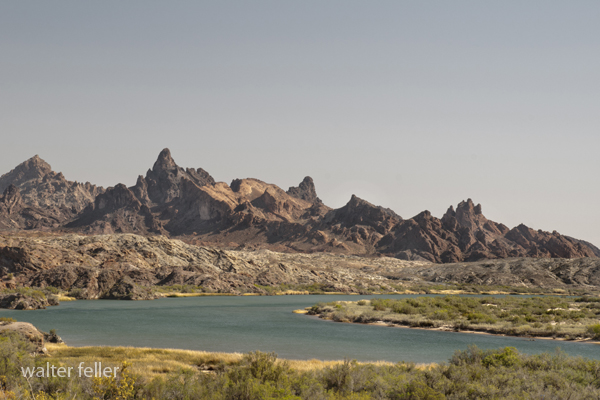
Passing the strange, jagged spires of peaks, which are called the Needles because two of them have natural eyelets, —though these are visible only from the canon, and not from the railroad, —I crossed the 1300-foot drawbridge, now abandoned for a fine new cantilever, a dozen miles below, and stood upon the there forbidding soil of California. A night at the rather pretty little railroad town of Needles, and I started off again into the grim Mojave Desert. It was the beginning of two hundred miles whose sufferings far outweighed all that had gone before . . .
DESERT RAT TEN COMMENDENTS [sic] BY THE EDITOR (from Harry Oliver’s Desert Rat Scrapbook)
I
Thou shalt love the DESERT, but not lose patience with those who say it’s bleak and ornery (even when the wind is blowing).
Even when the wind is blowing ..
II
Thou shalt speak of the DESERT with great reverence, and lie about it with great showmanship, adding zest to Tall Tales and Legends.
Adding zest …
III
Thou shalt not admit other DESERTS have more color than the one on which you have staked your claim.
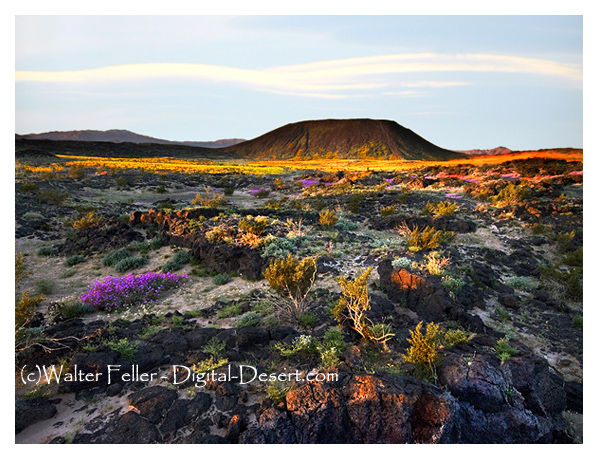
Amboy Crater
IV
Thou shalt on the Sabbath look to the Mountain Peaks so’s to know better your whereabouts, so’s you can help others to know the DESERT, dotting on the map the places where you have camped.
… on the Sabbath look to the Mountain Peaks …
V
Honor the Pioneers, Explorers and the Desert Rats who found and marked the water holes . . . they tell you about the next water hole and try to help you.
VI
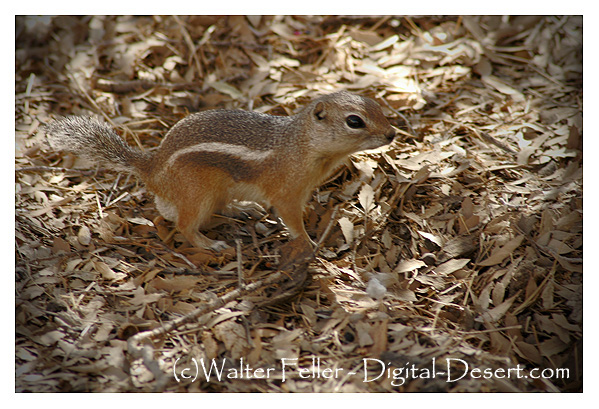
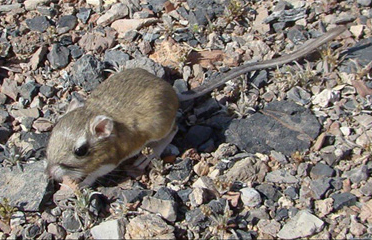
Thou shalt not shoot the Antelope-Chipmunk, Kangaroo Rat or other harmless Desert friends. (Keep your shot for a snake.)
Don’t shoot these.
VII
Thou shalt not adulterate the water holes nor leave the campsite messed up. Be sure to take 10 gallons of water with you. Don’t have to ask the other fellow on the road for a quart, but be able to help the tenderfoot by giving him some water.
10 gallons of water ought to do it.
VIII
Thou shalt not steal (from the prospector’s shack), nor forget to fill the wood box and water pail.
Don’t be an asshole and mess up or steal stuff from some guy’s cabin.
IX
Thou shalt not bear false witness against thy neighbor; you know the mining laws; you know the whereabouts of his monuments.
Sign of the times.
X
Thou shalt not covet thy neighbor’s sleeping bag, his gun, nor the contents of his canteen.
Death Valley was having one of its periodic wind storms when the tourists drove up in front of Inferno store to have their gas tank filled.
Hard Rock Shorty was seated on the bench under the lean-to porch with his hat pulled down to his ears to keep it from blowing away.
Desert wind storm
“Have many of these wind storms?” one of the dudes asked.
“Shucks, man, this ain’t no wind storm. Jest a little breeze like we have nearly every day. You have to go up in Windy Pass in the Panamints to find out what a real wind is like.
“Three-four years ago I wuz up there doin’ some prospectin’. Got together a little pile o’ wood an’ finally got the coffee to boilin’. Then I set it on a rock to cool while I fried the eggs.
“About that time one of them blasts o’ wind come along and blowed the fire right out from under the fryin’ pan. Blowed ‘er away all in one heap so I kept after it tryin’ to keep that fryin’ pan over the fire to git my supper cooked.
“I usually like my eggs over easy, but by the time 1 got one side done I wuz all tired out so I let ‘er go at that. Had to walk four miles back to the coffee pot.”
Once I asked Shorty Harris how he obtained his grubstakes. “Grubstakes,” he answered, “like gold, are where you find them. Once I was broke in Pioche, Nev., and couldn’t find a grubstake anywhere. Somebody told me that a woman on a ranch a few miles out wanted a man for a few days’ work. I hoofed it out under a broiling sun, but when I got there, the lady said she had no job. I reckon she saw my disappointment and when her cat came up and began to mew, she told me the cat had an even dozen kittens and she would give me a dollar if I would take ’em down the road and kill ’em.
“‘It’s a deal,’ I said. She got ’em in a sack and I started back to town. I intended to lug ’em a few miles away and turn ’em loose because I haven’t got the heart to kill anything.
“A dozen kittens makes quite a load and I had to sit down pretty often to rest. A fellow in a two-horse wagon came along and offered me a ride. I picked up the sack and climbed in.
“‘Cats, eh?’ the fellow said. ‘They ought to bring a good price. I was in Colorado once. Rats and mice were taking the town. I had a cat. She would have a litter every three months. I had no trouble selling them cats for ten dollars apiece. Beat a gold mine.’
Prospector with grubstake essentials
“There were plenty rats in Pioche and that sack of kittens went like hotcakes. One fellow didn’t have any money and offered me a goat. I knew a fellow who wanted a goat. He lived on the same lot as I did. His name was Pete Swain.
“Pete was all lit up when I offered him the goat for fifty dollars. He peeled the money off his roll and took the goat into his shack. A few days later Pete came to his door and called me over and shoved a fifty-dollar note into my hands. ‘I just wanted you to see what that goat’s doing,’ he said.
“I looked inside. The goat was pulling the cork out of a bottle of liquor with his teeth.
“‘That goat’s drunk as a boiled owl,’ Pete said. ‘If I ever needed any proof that there’s something in this idea of the transmigration of souls, that goat gives it. He’s Jimmy, my old sidekick, who, I figgered, was dead and buried.’
“‘Now listen,’ I said. ‘Do you mean to tell me you actually believe that goat is your old pal, whom you drank with and played with and saw buried with your own eyes, right up there on the hill?’
“‘Exactly,’ Pete shouted, and he peeled off another fifty and gave it to me. So, you see, a grubstake, like gold, is where you find it.”
from: Loafing Along Death Valley Trails A Personal Narrative of People and Places Author: William Caruthers
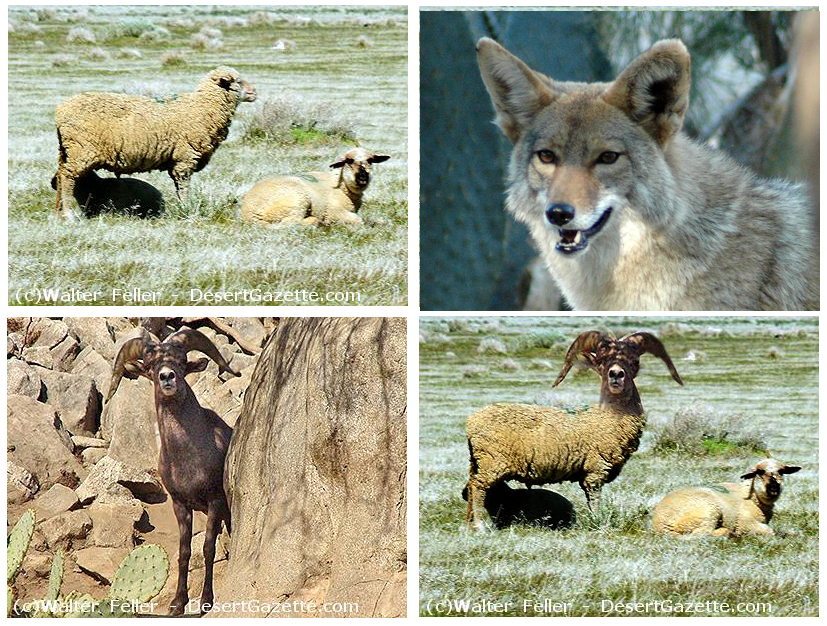
Bill Frakes was a gentleman from Argentina who brought sheep out to his claim at the old Camp Cady along the Mojave River. As soon as he got there, it seemed he had sheep problems. They kept dying. They kept dying because the sheep had coyote problems. The coyotes had issues because they always seemed hungry, and the sheep were so tasty.
Bill Frakes noticed the coyotes rarely messed with the local bighorn sheep. The bighorn would kick the hell out of the coyotes and cause them more coyote problems than the meal was worth–like broken bones, punctured lungs, and death and stuff…
Bill Frakes had an idea on how to solve everyone’s problems–to interbreed the bighorn with the domestic sheep. He would make coyote killers, and Bill Frakes would be on Easy Street raising flocks and flocks of bad-ass sheep.
The details of what happened next are left in the gray fog of best-forgotten history, but there were rumors that several unfortunate and disturbing creatures were tied to a shed, and at night strange animal-like crying and sobbing could be heard.
Bill Frakes’ plan failed miserably with a possible exception; up there in the hills, a hybrid ram is said to have escaped; too ugly to die, too ugly to let itself be seen, the King Mutant Ram’s wailing and moaning can be heard to these very modern times in the mysterious night winds of the Afton Canyon highlands . . .
The End
Fiction inspired by a true event as described in “Daggett, Life in a Mojave Frontier Town,” by Dix Van Dyke – Edited by Peter Wild.
A few miles east of Shoshone is Chicago Valley, which began in a startling swindle and ended in fame and fortune for one defrauded victim.
A convincing crook from the Windy City found government land open to entry and called it Chicago Valley. It was a desolate area; the only living thing to be seen was an occasional coyote skulking across or a vulture flying over. The promoter needed no capital other than a good front, glib tongue, and the ability to lie without the flicker of a lash.
A few weeks later, Chicago widows with meager endowments, scrub women with savings, and some who coughed too much from long hours in sweatshops began to receive beautifully illustrated pamphlets that described a tropical Eden with lush fields, cooling lakes, and more to the point, riches almost overnight. For $100, anyone concerned would be located.
Soon people began to swing off The Goose, as the dinky train serving Shoshone was called, and head for Chicago Valley. Among the victims was a widow named Holmes with a family of attractive, intelligent children. One of these was a vivacious, beautiful teenager named Helen.
The Holmes were handicapped because of tuberculosis in the family. This, in fact, had induced the widow to invest her savings.
Herman Jones used to ride by the Holmes’ place en route to the Pahrump Ranch on hunting trips and owning several burros; he thought the Holmes’ children would like to have one. Taking the donkey over, he told Helen, “You can use him to work the ranch too. Better and faster than a hoe….” He brought a harness and a cultivator, and showed her how to use the implement.
It was inevitable that investors in Chicago Valley would lose their time, labor, and money.
Thus when Helen Holmes returned the burro to Herman one day, Herman was not surprised when she told him she was on her way to Los Angeles to look for a job.
“But what can you do?”
“I wish I knew. I can get a job washing dishes or waiting on tables.”
Shortly afterward, he heard from her—just a little note saying she was a hello girl on a switchboard. “Knew she’d land on her feet,” Herman grinned, and having a bottle handy, he gurgled a toast to Helen. He had to tell the news, of course, and with each telling, he produced the bottle.
So he was in a pleasant mood when somebody suggested a spot of poker. To mention poker in Shoshone is to have a game, and in a little while, Dad Fairbanks, Dan Modine, deputy sheriff Herman, and two or three others were shuffling chips over in the Mesquite Club.
Herman had the luck and quit with $700. “Fellows,” he said as he folded his money, “take a last look at this roll. You won’t see it again.”
“Oh, you’ll be back,” Fairbanks said.
But Herman didn’t come back. Instead, he went to Los Angeles, and found Helen at the switchboard. She confided excitedly that she had a chance to get into the movies as soon as she could get some nice clothes.
“Fine,” Herman said. “When can I see you?” He made a date for dinner, had a few more drinks and when he met her he had a comfortable binge and a grand idea. “… Listen, Helen. You wouldn’t get mad at a fool like me if I meant well, would you?”
“Why Herman—you know I wouldn’t,” she laughed.
“I’m a little likkered and it’s kinda personal….”
“But you’re a gentleman, Herman—drunk or sober….”
“I’ve been thinking of this picture business. I nicked Dad Fairbanks in a poker game. You know how I am. Lose it all one way or another. You take it and buy what you need, and it’ll do us both some good.”
The refusal was quick. “It’s sweet of you, Herman, but not that. I just couldn’t.”
“You can borrow it, can’t you … so I won’t drink it up?”
The argument won, and soon theatergoers all over the world were clutching their palms as they watched the hair-raising escapes from death that pictured “The Perils of Pauline”—the serial that made Helen Holmes one of the immortals of the silent films. She died at 58 on July 8, 1950.
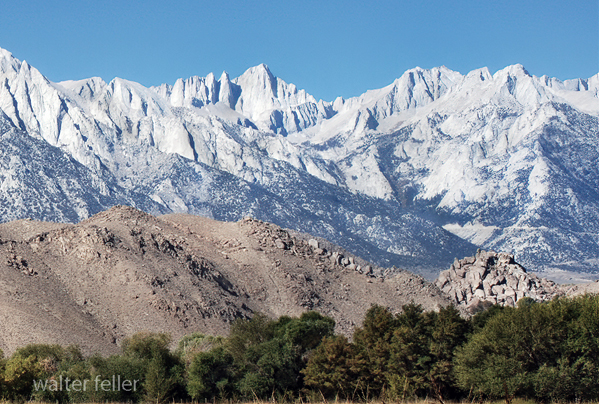
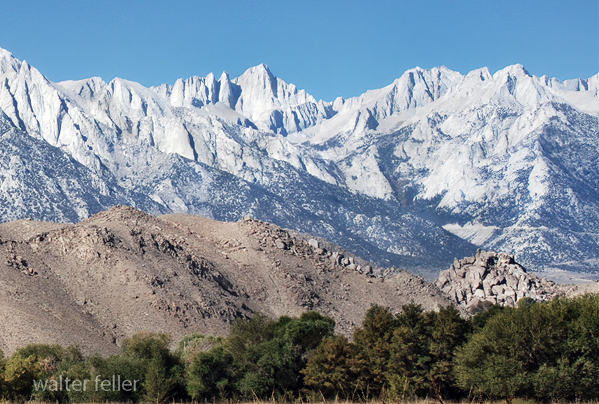
The Eastern Sierra Nevada boasts a rich geological history that spans millions of years. This region offers a captivating glimpse into Earth’s past, from towering granite peaks to ancient volcanic formations. The fascinating geology of the Eastern Sierra Nevada and its unique features make it a geologist’s paradise.
Formation of the Sierra Nevada Range:
The Sierra Nevada Range, including the Eastern Sierra Nevada, began forming around 100 million years ago during the Mesozoic Era. It was the result of tectonic plate movements, specifically the subduction of the Pacific Plate beneath the North American Plate. This process resulted in the uplifting and folding of the Earth’s crust, giving rise to the majestic mountain range we see today.
Granite and Glaciers:
One of the defining features of the Eastern Sierra Nevada is its abundance of granite. The region is home to the largest exposed granite batholith in the world, aptly named the Sierra Nevada Batholith. This enormous body of intrusive igneous rock formed deep beneath the Earth’s surface and was gradually exposed through erosion over millions of years.
During the last Ice Age, glaciers sculpted the Eastern Sierra Nevada, leaving behind stunning landscapes. Glacial activity carved out U-shaped valleys, polished granite surfaces and created glacial lakes such as Mono Lake and Convict Lake. These remnants of the Ice Age are a testament to the dynamic forces that shaped the region.
Volcanic Activity:
Eastern Sierra Nevada is also home to a number of volcanic features. The Long Valley Caldera, located just east of the Sierra Nevada Range, is a prime example of volcanic activity in the region. This massive volcanic depression formed around 760,000 years ago during a cataclysmic eruption that released an estimated 600 cubic kilometers of magma.
Within the caldera lies the famous Mono-Inyo Craters, a chain of volcanic domes and craters. These volcanic formations offer a glimpse into the region’s volcanic history and provide evidence of past eruptions that have shaped the landscape.
Mineral Deposits:
The Eastern Sierra Nevada is known for its rich mineral deposits. Gold, silver, and copper have been mined in the region since the mid-1800s, attracting prospectors during the California Gold Rush. The Bodie State Historic Park, a well-preserved ghost town, stands as a reminder of the mining boom that once thrived in the area.
Conclusion:
Exploring the geology of Eastern Sierra Nevada is a journey through time, where the forces of nature have sculpted a remarkable landscape. This region offers a glimpse into the Earth’s fascinating geological history, from the towering granite peaks to the remnants of ancient volcanoes. Whether you are a geology enthusiast or simply appreciate the beauty of nature, Eastern Sierra Nevada is a destination that will leave you in awe of the Earth’s geological wonders.
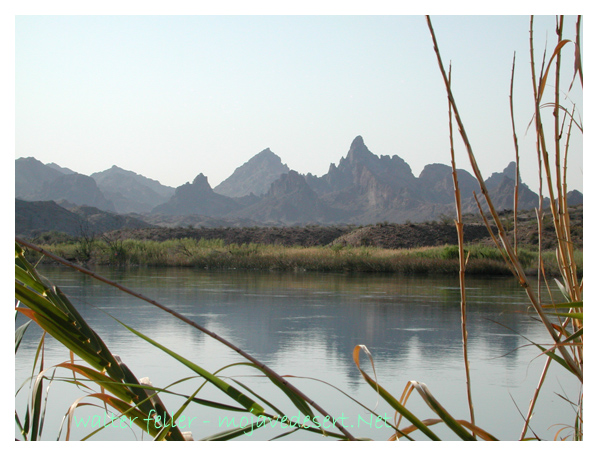
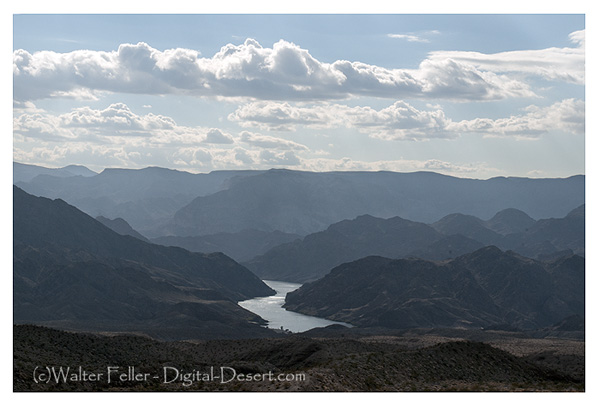
The Lower Colorado River is a mesmerizing natural wonder that winds through the Southwestern United States, attracting millions of visitors annually. Beyond its scenic beauty and recreational opportunities, the geology of the Lower Colorado River offers a fascinating glimpse into the Earth’s history.
Formation of the Lower Colorado River:
The formation of the Lower Colorado River can be traced back millions of years. It all began with the uplift of the Colorado Plateau, a vast region spanning parts of Arizona, Utah, Colorado, and New Mexico. Over time, the relentless forces of erosion, primarily by the Colorado River, carved through sedimentary rock layers, exposing unique geological formations.
Canyons and Gorges:
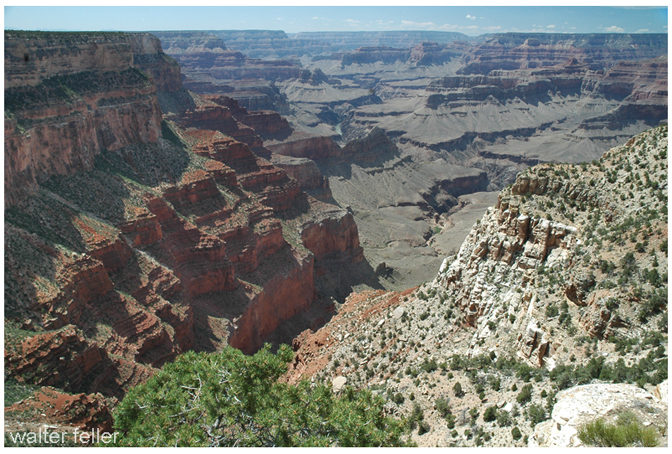
One of the most striking features along the Lower Colorado River is the presence of deep canyons and gorges. The river has carved its way through layers of sedimentary rocks, primarily sandstones, and shales, creating stunning landscapes such as the Grand Canyon and the Black Canyon of the Colorado. These canyons offer a glimpse into the Earth’s history, with each layer representing a different period of deposition.
Rock Formations:
The Lower Colorado River area is renowned for its diverse rock formations. The region showcases various sedimentary rocks, including sandstone, limestone, and shale. These rocks provide clues about ancient environments and the processes that shaped them. Fossilized remains of plants and animals can also be found within these rock formations, offering insights into past ecosystems.
Geological Time Scale:
To truly appreciate the geology of the Lower Colorado River, it is essential to understand the concept of geological time. The river has been actively shaping the landscape for millions of years, leaving behind a rich tapestry of rocks and formations. By studying the various layers, geologists can piece together the history of the region, including ancient climates, sea levels, and tectonic events.
Conclusion:
The geology of the Lower Colorado River is a captivating subject that offers a glimpse into the Earth’s past. From towering canyons to diverse rock formations, this region tells a story of millions of years of geological processes. Exploring the Lower Colorado River is a visual delight and an opportunity to unravel the mysteries of our planet’s ancient history. So, the next time you find yourself near the Lower Colorado River, take a moment to appreciate the remarkable geology that surrounds you.
Death Valley National Park is known for its extreme temperatures, vast desert landscapes, and unique geological features. Located in Eastern California, this national park is a treasure trove for geology enthusiasts.
Formation and Tectonic Activity:
Death Valley’s geological history dates back millions of years. The valley is part of the larger Basin and Range Province, characterized by its numerous mountain ranges and elongated valleys. The formation of Death Valley can be attributed to the complex interplay of tectonic forces.
Faults and Uplift:
One of the key geological features of Death Valley is the presence of faults. Numerous faults, including the prominent Death Valley Fault Zone, crisscross the region. These faults have played a significant role in shaping the landscape, creating dramatic uplifts and sinkholes.
Playa and Salt Flats:
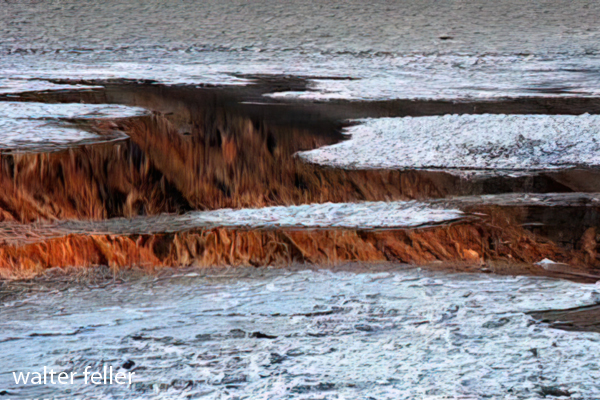
Death Valley is home to several unique geological features, including expansive salt flats and playa. The salt flats, such as the mesmerizing Badwater Basin, are formed when water dissolves minerals from the mountains and then evaporates, leaving behind a thick crust of salt. These salt flats provide a surreal and otherworldly experience for visitors.
Mesquite Flat Sand Dunes:
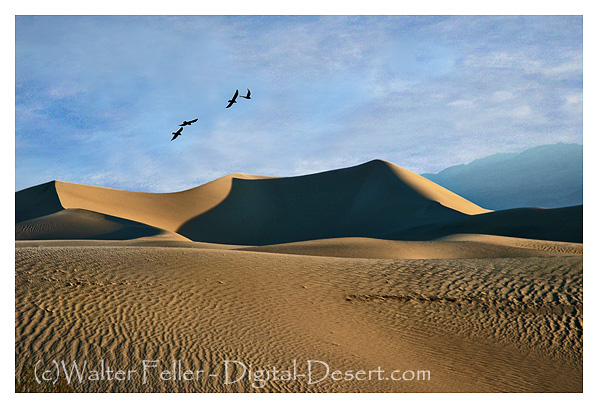
The Mesquite Flat Sand Dunes offer a striking contrast to the arid landscape of Death Valley. These dunes are formed by the accumulation of wind-blown sand over thousands of years. The shifting dunes create stunning desert scenery and are a popular destination for photographers and nature enthusiasts.
Geological Time and Fossils:
Death Valley is a geological time capsule, preserving a rich fossil record that spans millions of years. Fossils of ancient marine life, plants, and animals have been discovered, providing invaluable insights into the region’s past. These fossils tell the story of a time when Death Valley was submerged under a vast inland sea.
Volcanic Features:
Volcanic activity has also left its mark on Death Valley’s geology. The park is home to several cinder cones, lava flows, and volcanic craters. Ubehebe Crater, a massive volcanic crater, is a testament to the violent eruptions that occurred in the region thousands of years ago.
Conclusion:
Death Valley National Park is a geologist’s paradise, offering a glimpse into the dynamic forces that have shaped our planet. From the towering mountain ranges to the vast salt flats and mesmerizing sand dunes, the geology of Death Valley is a testament to nature’s immense power and beauty. Exploring this unique landscape is a humbling experience that allows us to appreciate the Earth’s geological history and its ongoing processes of change and transformation.
The Mojave Desert, located in the southwestern United States, is known for its vast arid landscape and unique geological formations. Let us now look at Mojave Desert geology. We will explore its history, distinctive landforms, and the forces that have shaped this remarkable desert ecosystem.
Ancient History:
Afton Canyon, Mojave River
The geological history of the Mojave Desert dates back millions of years. It was formed through a complex interplay of tectonic forces, erosion, and climatic changes. The Mojave Desert is part of the Basin and Range Province, characterized by alternating mountain ranges and valleys. Over time, these forces have sculpted the desert’s diverse topography, creating a mesmerizing tapestry of geological wonders.
Distinctive Landforms:
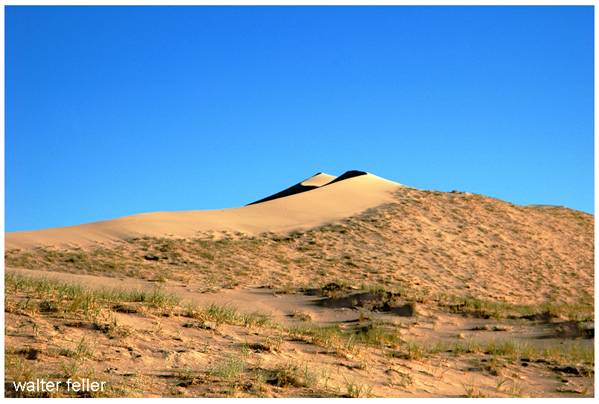
Kelso Dunes, Mojave National Preserve
The Mojave Desert is home to many distinctive landforms that capture geologists’ and nature enthusiasts’ imaginations. One such feature is the Mojave River, which runs through the heart of the desert, shaping its landscape and supporting its own ecosystem. Another notable landform is the Kelso Dunes, towering sand dunes that shift and change with the wind, creating an ever-changing desert scene.
Geology Tour Road stop #6, Joshua Tree National Park
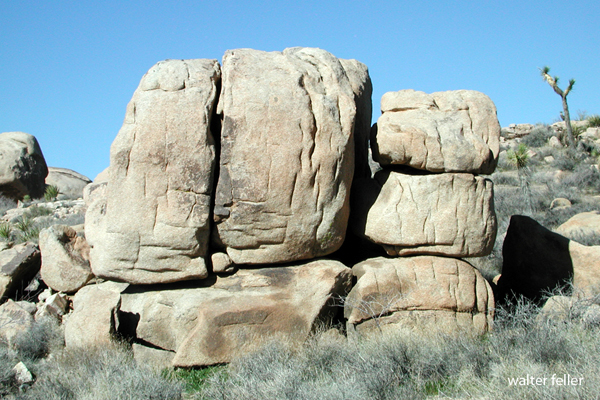
Joshua Tree National Park, located within the Mojave Desert, is renowned for its iconic Joshua trees, which dot the barren landscape. These trees are adapted to the harsh desert environment and symbolize resilience in the face of adversity. The park also boasts mesmerizing rock formations, such as Hidden Valley and Jumbo Rocks, which showcase the desert’s ancient geological past.
Forces of Shaping:
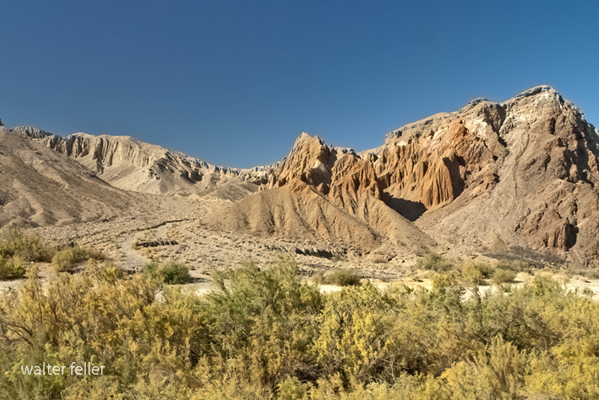
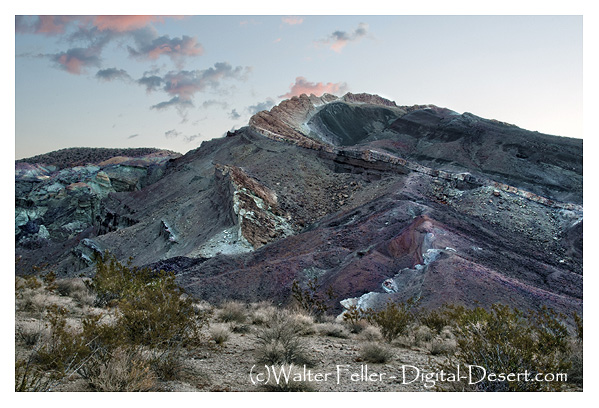
Rainbow Basin, Barstow, Ca.
Several key forces have shaped the Mojave Desert’s geological landscape. The San Andreas Fault, a major tectonic boundary, runs through the region, causing periodic earthquakes and contributing to the uplift of mountain ranges. Erosion, primarily driven by wind and water, has significantly sculpted the desert’s landforms, creating deep canyons, rugged cliffs, and intricate rock formations.
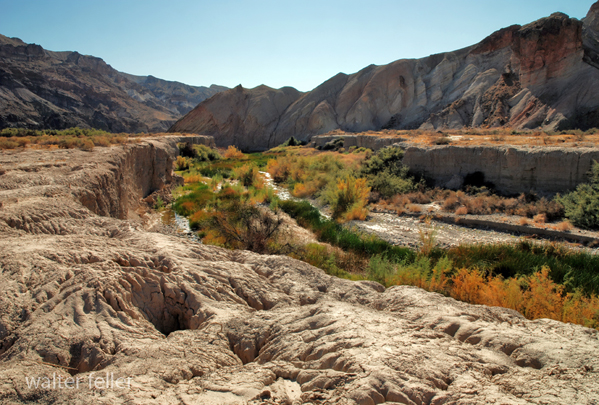
Amargosa River
The climate also shapes the Mojave Desert’s geology. The region experiences extreme temperature fluctuations, with scorching hot summers and chilly winters. These temperature extremes and sporadic rainfall contribute to rock weathering and erosion and the formation of unique geological features.
Conclusion:
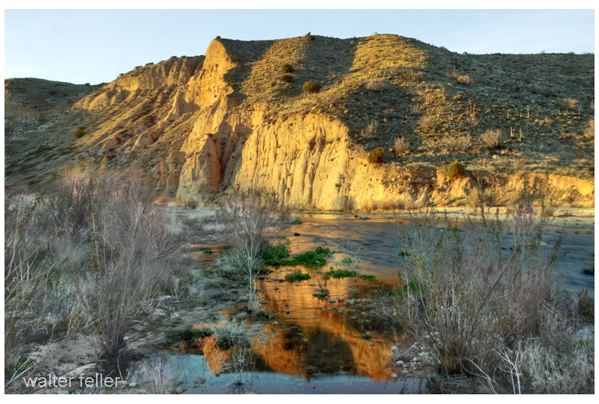
West Fork, Mojave River
The Mojave Desert stands as a testament to the immense power of geological forces and the intricate beauty they can create. From its ancient history to its distinctive landforms, the desert offers a glimpse into the Earth’s ever-evolving landscape. As we explore the Mojave Desert’s geology, we gain a deeper appreciation for the natural wonders that surround us and the forces that have shaped them over millions of years.
The story of Olive Oatman, a young girl who endured unimaginable hardships during her captivity among Native American tribes in the mid-19th century, has become an emblem of resilience and survival. This blog post delves into the gripping account of Olive Oatman’s captivity, shedding light on the challenges she faced and the strength she exhibited throughout her ordeal.
The Oatman Family’s Journey
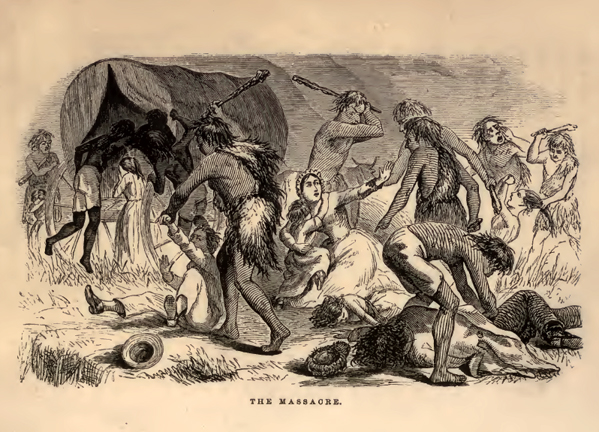
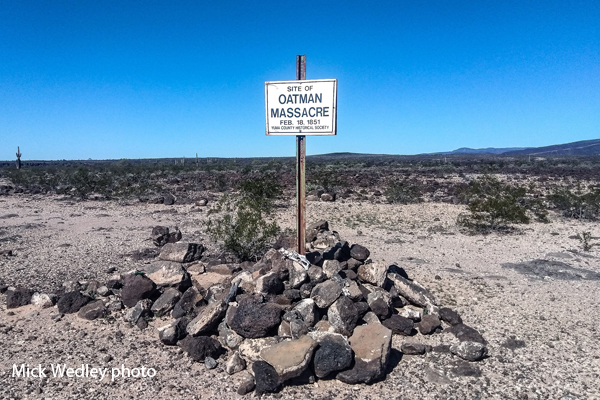
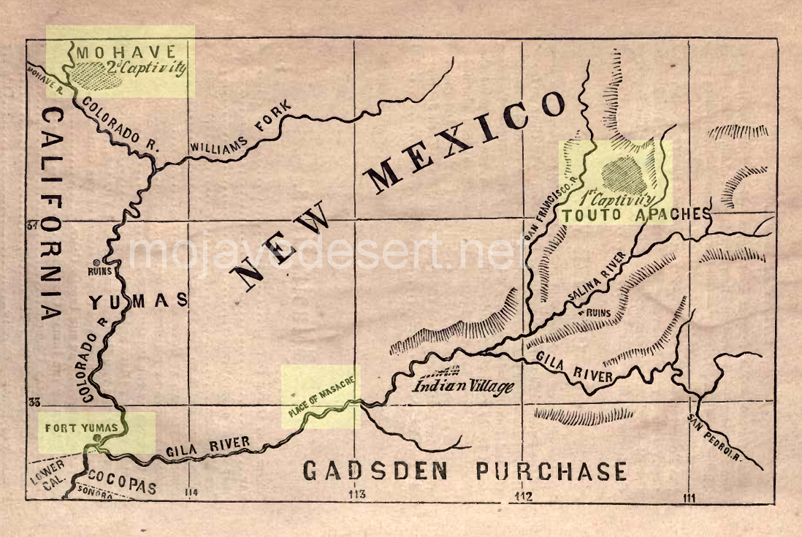
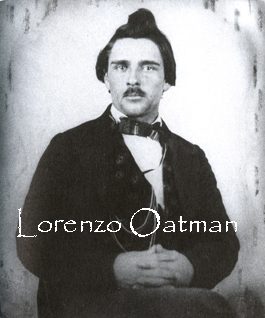
In 1850, the Oatman family embarked on a treacherous journey from Illinois to California, seeking a better life in the West. Unfortunately, their dreams were shattered when they encountered a Native American tribe, the Yavapai, along the Gila River in present-day Arizona. The tribe, driven by desperation and a history of violence against settlers, attacked the Oatman family. All but Olive and Mary Ann were brutally killed. Brother Lorenzo also survived but was left for dead listening to his mothers cries as she held her infant in the rocks where they were thrown.
Oatman family massacre site – Mick Wedley photo
Captivity Among the Yavapai
The Yavapai tribe took Olive, and her younger sister, Mary Ann, captive, subjecting them to constant fear and uncertainty. A year after their capture, they were traded to the Mohave tribe.
Life Among the Mohave
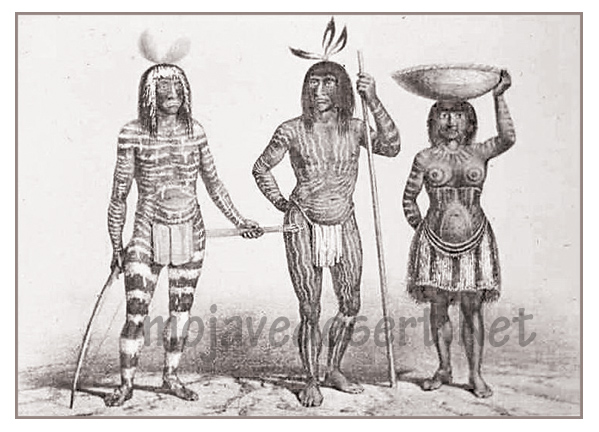
Mohave Indians
Under the care of the Mohave tribe, Olive and Mary Ann were gradually integrated into their new community. The Mohave people treated them with relative kindness, adopting them as members of their tribe and providing them with food and shelter. Olive even received facial tattoos, which were traditional among the Mohave, symbolizing her assimilation into their culture.
Rescue and Reintegration
After five years of captivity, Olive’s story took a dramatic turn when her younger sister, Mary Ann, tragically passed away due to starvation. Determined to return to her white heritage, Olive caught the attention of American authorities, urged by Lorenzo, and eventually negotiated her release. Upon her return to white society, Olive faced challenges in readjusting to her former life. Her facial tattoos, a constant reminder of her captivity, presented a unique hurdle in her reintegration.
Legacy and Impact
The story of Olive Oatman’s captivity quickly captivated the public’s imagination, symbolizing resilience and endurance in the face of adversity. Her tale was widely publicized, and she became somewhat of a celebrity during her lifetime. Olive’s memoir, “Captivity of the Oatman Girls,” published in 1857, further immortalized her experiences and shed light on the often misunderstood dynamics between Native American tribes and settlers during that era.
Conclusion
The captivity of Olive Oatman stands as a testament to the indomitable spirit of human will. Her story serves as a reminder of the strength and resilience of the human spirit in the face of unimaginable hardship. Olive Oatman’s legacy endures, inspiring generations to overcome adversity and find courage even in the darkest of times.
After retiring as a ‘carny,’ or carnival worker at the Venice Pier and Santa Monica Pier, Miles Mahan (1896-1997) began building Hula Ville in 1955.
Wine- and beer-bottle tree sculptures adorned Joshua trees and wooden posts. Desert sandblasted wood signs held poetry and prose; dolls, award statues, and other found objects were displayed outside. A homemade miniature golf course bordered by half-buried bottles was included in his residence, as well as a pickup truck camper and a pickup truck camper without a truck. There was no charge, and donations were accepted.
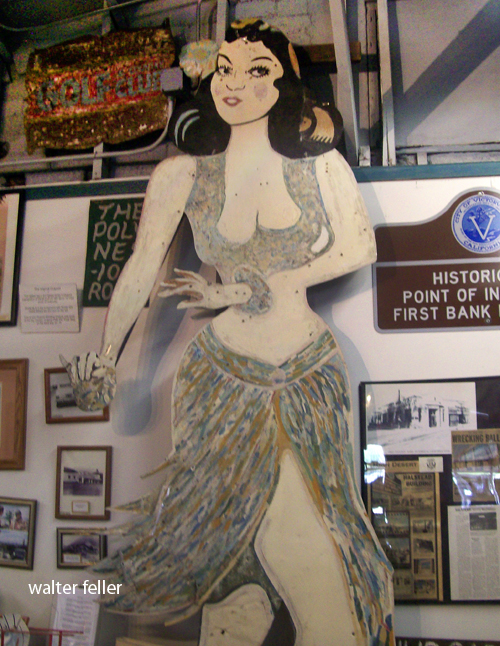
Mahan also erected a large dancing hula girl sign at the entrance, a business discard he rescued and repurposed. The crude hand-lettered sign beneath her read: “People travel through the state, how little will they know her fate, for the traveler who’ll ever be the wiser, the Supervisors saved her life.” Busses traveling to Las Vegas from Los Angeles would stop, and Miles would entertain them by dancing on his little wooden stage, and they would leave tips. Even in his eighties, he was still able to dance. As much as he enjoyed guessing people’s weights at carnivals, he enjoyed watching Hesperia grow into a city. His poetry and books mention the many people he met along the way, with whom he loved talking about real estate. Whiskey Pete and Scotty from Death Valley were his friends, and Miles was quite a storyteller. These were all true stories. He appeared on the Johnny Carson Show as Johnny invited him back due to his outspoken personality 2 or 3 times. They would send a limo to pick him up and return him.
In 1995 Miles Mahan moved to a convalescent home and died on April 15, 1997. In September 1997, Hula Ville was demolished.
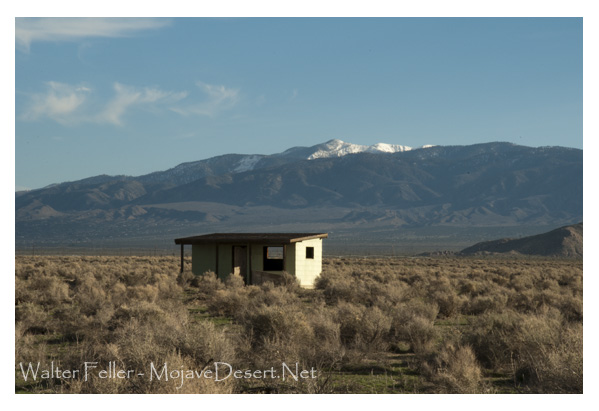
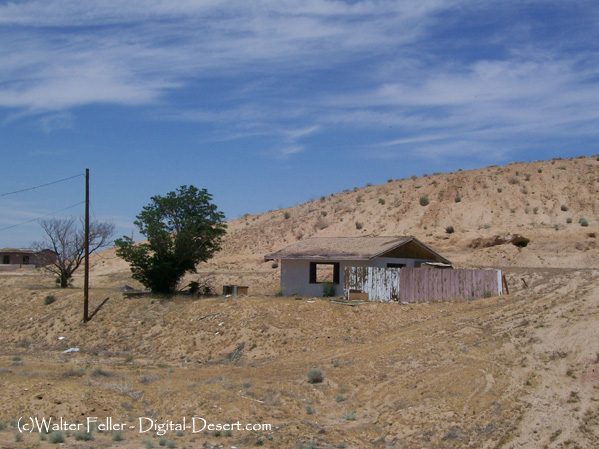
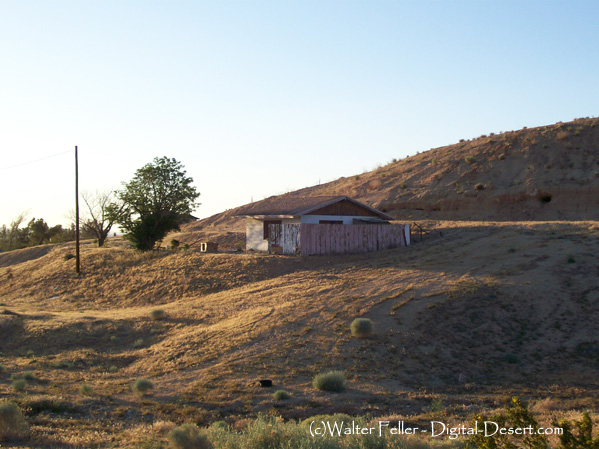
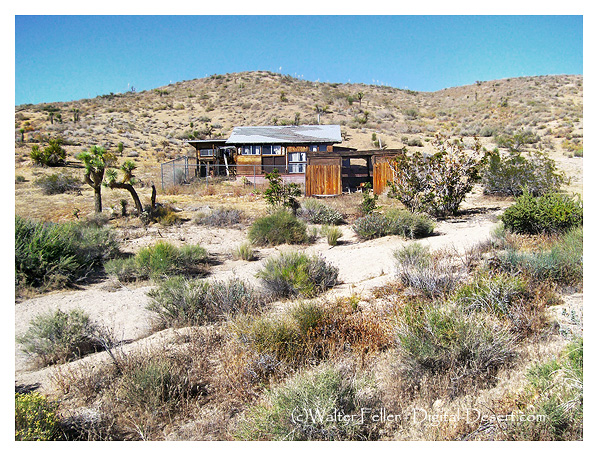
Jackrabbit Homesteads, a unique phenomenon in the American Southwest, hold a significant place in the region’s history and culture. These small, rustic cabins were built on public lands in the mid-20th century. They offered settlers the opportunity to claim a piece of the desert and forge their own paths. We will explore the intriguing story behind these homesteads and their enduring legacy.
The establishment of Jackrabbit Homesteads dates back to the passage of the Small Tract Act of 1938, which aimed to encourage settlement on federal lands. Under this act, individuals could claim up to five acres of land and build a dwelling upon it. Many of these homesteads were constructed between the 1950s and 1970s, attracting individuals seeking a simpler, off-grid lifestyle or a weekend getaway from the hustle and bustle of city life.
Jackrabbit Homesteads were typically modest, one-room cabins constructed from inexpensive materials such as concrete blocks or plywood. These structures were often sparsely furnished, reflecting the self-sufficient nature of the homesteaders who built them. Although lacking in modern amenities, these homesteads provided a sense of freedom and a connection to the surrounding natural landscape.
Living on a Jackrabbit Homestead required resourcefulness and willingness to adapt to harsh desert conditions. Homesteaders relied on rainwater catchment systems and solar power; many grew their own food or raised livestock. The simplicity of this lifestyle allowed individuals to reconnect with nature and find solace in the vast desert.
While Jackrabbit Homesteads have passed, their legacy lives on. Many homesteads have been abandoned or repurposed today as reminders of a bygone era. Some have even been transformed into art installations or preserved as historical landmarks. The National Park Service has recognized the cultural significance of Jackrabbit Homesteads and is working to preserve and document these unique structures.
For those intrigued by the allure of Jackrabbit Homesteads, there are opportunities to explore and experience these historic sites. For instance, Joshua Tree National Park in California is home to several preserved homesteads that offer a glimpse into the past. Visitors can wander through these time capsules, imagining the lives of the individuals who once called these cabins home.
Jackrabbit Homesteads are a testament to the human spirit of resilience and the desire for independence. Scattered across the desert landscape, these modest dwellings tell a story of determination and self-sufficiency. While the era of homesteading may have faded, the legacy of Jackrabbit Homesteads continues to captivate and inspire those who appreciate the allure of a simpler way of life.
The desert, a vast expanse of arid land, holds an enigmatic allure that has captivated explorers, writers, and artists for centuries. In its barrenness lies a certain indifference, an apathy that transcends the human realm. It is a world of endless silence, where life struggles to survive, and time appears to stand still. This place, looking into the indifferent nature of the desert, exploring its striking beauty, unforgiving climate, and ability to evoke a sense of insignificance in the face of its vastness.
The desert’s indifference is paradoxically intertwined with its mesmerizing beauty. Stretching as far as the eye can see, the landscape is dominated by sand dunes, rocky outcrops, and expansive plains. The desert’s neutral color palette, comprising earthy tones of beige, ochre, and rust, creates a harmonious symphony of hues. Its vastness and emptiness instill a sense of awe as if gazing upon an infinite canvas that has been left untouched by human hands.
The desert’s indifference is most apparent in its extreme climate. The desert’s temperatures fluctuate dramatically from scorching heat during the day to bone-chilling cold at night. The barrenness of the landscape exacerbates these conditions, as there are no obstacles to provide shade or shelter. Survival in such an environment requires adaptation and resilience, as even the hardiest of creatures struggle to endure the harshness of the desert’s indifference.
In the desert, time seems to lose its relevance. The shifting sands, sculpted by the wind, erase any trace of human presence, leaving behind a blank canvas for nature to paint anew. The desert’s indifference to the passage of time can be both humbling and disorienting. It serves as a reminder of the transience of human existence, as the footprints we leave behind are quickly swallowed by the relentless sands, making us feel insignificant in the face of eternity.
While the desert’s indifference may seem daunting, it offers valuable lessons for those who are willing to listen. It teaches us to embrace solitude and find solace in our own company. It encourages us to adapt and persevere in the face of adversity. It reminds us of the impermanence of life and the importance of cherishing the present moment. The desert’s indifference serves as a gentle yet profound reminder of our place in the grand tapestry of the universe.
The indifference of the desert is a captivating paradox. Its silent beauty, harsh climate, and timeless sands evoke a sense of insignificance in the face of its vastness. Yet, within its indifference lies wisdom and resilience. The desert beckons us to embrace solitude, adapt to change, and appreciate the fleeting nature of existence. Let us heed its call and find solace in the indifference of the desert, for within its silence lies a profound understanding of the human condition.
The Victor Valley, located in Southern California, is often hailed as a vibrant and promising region. Its picturesque landscapes, growing economy, and close proximity to major cities make it an attractive destination for many. However, in this blog post, we will explore a different viewpoint – that of a pessimist. By examining the potential drawbacks and challenges faced by the region, we aim to offer a contrasting perspective on the Victor Valley.
1. Economic Challenges:
Despite its apparent economic growth, the Victor Valley faces several challenges that a pessimist would highlight. The region heavily relies on a few industries, such as agriculture and tourism, which leaves it vulnerable to fluctuations in these sectors. Furthermore, the lack of diversification in the job market can lead to higher unemployment rates during economic downturns, leaving many residents struggling to make ends meet.
2. Infrastructure and Public Services:
From a pessimist’s viewpoint, the Victor Valley’s infrastructure and public services are not without their shortcomings. The area’s rapid population growth has strained the existing road networks, leading to congestion and longer commuting times. Additionally, public transportation options are limited, making it difficult for residents without private vehicles to navigate the region. Moreover, the availability and quality of essential services, such as healthcare and education, may not meet the demands of the growing population.
3. Environmental Concerns:
The pessimist’s perspective also sheds light on the environmental challenges faced by the Victor Valley. As the region continues to develop, it risks encroaching upon natural habitats and disrupting local ecosystems. The demand for water, in particular, poses a significant concern, as the Victor Valley is located in a semi-arid region with limited water resources. Excessive groundwater extraction and inadequate water management practices could have long-term consequences for the region’s sustainability.
4. Limited Cultural and Recreational Options:
Contrary to the popular perception of the Victor Valley as a vibrant cultural hub, a pessimist might argue that the region lacks diverse cultural and recreational opportunities. The area’s limited investment in arts, entertainment, and recreational facilities may leave residents with fewer options for leisure and personal growth. As a result, the Victor Valley may struggle to attract and retain young professionals and families seeking a well-rounded lifestyle.
Conclusion:
While the Victor Valley undoubtedly offers many benefits and opportunities, it is essential to consider the pessimist’s viewpoint to gain a well-rounded understanding of the region. By acknowledging the economic challenges, infrastructure limitations, environmental concerns, and cultural and recreational limitations, we can foster a more comprehensive dialogue about the future of the Victor Valley. It is through such discussions that we can work towards addressing these issues and ensuring a more balanced and sustainable future for the region and its residents.
Local history shapes community identity and collective memory. It preserves the stories, events, and heritage that shape the present. However, in some cases, the practice of controlling local history and banning people from it has raised concerns. This blog post explores the implications of such practices and their potential consequences for communities.
1. The Power Dynamics of Controlling Local History:
Controlling local history involves the selective interpretation and presentation of historical narratives, often influenced by those in power. Controlling the narrative can emphasize certain perspectives or events while suppressing others, resulting in a skewed understanding of the past. This power dynamic can lead to the exclusion and erasure of marginalized voices and communities.
2. Banning People from Local History:
Banning individuals from participating in local history recording, sharing, or access restricts collective memory and perpetuates exclusion. This exclusion can occur for a variety of reasons, such as political dissent, social status, or cultural differences. However, by denying individuals the right to contribute to, learn from, and engage with local history, a community risks losing valuable insights and perspectives.
3. Implications for Communities:
When individuals are banned from local history, the community as a whole suffers. The diversity of experiences and perspectives is diminished, resulting in a narrow understanding of the past. This can lead to a distorted sense of identity and an inability to learn from past mistakes or appreciate the contributions of all community members. Furthermore, the practice of banning people from local history can perpetuate social divisions and hinder unity and cohesion.
4. Promoting Inclusive Local History:
To ensure a more inclusive and accurate representation of local history, it is crucial to adopt practices that encourage participation from all members of the community. This can be achieved through initiatives such as oral history projects, community-led documentation, and the establishment of inclusive historical archives. Communities can create a more comprehensive and nuanced understanding of their shared past by actively involving diverse voices.
5. The Importance of Dialogue and Understanding:
Rather than banning individuals from local history, fostering open dialogue and understanding can lead to a more inclusive and comprehensive narrative. Communities can work toward reconciliation and healing by creating spaces for conversations, sharing different perspectives, and acknowledging history’s complexities. This approach allows for a more accurate reflection of the past, embracing diversity and promoting a sense of belonging for all community members.
Conclusion:
Controlling local history and banning people from it has far-reaching consequences for communities. It perpetuates power imbalances, excludes marginalized voices, and limits collective memory. Instead of resorting to such practices. Communities should strive for inclusivity, open dialogue, and the active participation of all individuals in shaping and preserving local history. Doing so can create a more accurate, diverse, and enriching understanding of the past, ensuring a more inclusive and united future.
The Victor Valley, once known for its vibrant character and idyllic charm, has witnessed a gradual decline in its unique essence over the years. Let us examine the factors contributing to the waning character of the Victor Valley and reflect upon the changes that have shaped its present state.
The Historical Significance:
The Victor Valley has a rich history, deeply rooted in the California Gold Rush and the railroad system development. These historical events played a pivotal role in shaping the valley’s character, attracting settlers, prospectors, and entrepreneurs seeking opportunities. The region blossomed with small communities, bustling industries, and a strong sense of community.
Urbanization and Economic Shifts:
Over time, the Victor Valley has undergone significant urbanization and economic shifts, which have profoundly impacted its character. With the expansion of cities and towns, vast open spaces have been replaced by commercial developments and residential neighborhoods. This rapid growth has led to a loss of natural beauty and a decline in historical landmark preservation.
Furthermore, economic changes have influenced the character of the Victor Valley. The decline of traditional industries, such as agriculture and mining, has resulted in a shift towards a service-based economy. While this has brought economic stability and employment opportunities, it has also contributed to a loss of the valley’s unique identity as small businesses struggle to compete with larger corporate chains.
Cultural Shifts and Loss of Community Spirit:
Another significant factor contributing to the waning character of the Victor Valley is the cultural shifts experienced by its residents. As the valley has become more diverse, the sense of community and shared values that once defined its character has diminished. People are now more connected virtually than physically, and the traditional community spirit has given way to individualism and isolation.
The Impact of Modernization:
The advent of modern technology and social media has further eroded the character of the Victor Valley. The constant connectivity and virtual interactions have replaced face-to-face communication, making it harder for residents to connect and engage with each other. The valley’s unique charm, once fostered by personal connections and local events, now struggles to compete with the allure of the digital age.
Preserving the Victor Valley’s Character:
Despite Victor Valley’s challenges, there is hope for preserving its character. Community-driven initiatives, historical preservation efforts, and a renewed focus on local businesses can help restore the valley’s identity. By embracing sustainable development practices and promoting cultural events celebrating the valley’s heritage, residents and local authorities can work together to attempt to revive the character that once defined the Victor Valley.
Conclusion:
The waning character of Victor Valley reminds us of the ever-changing nature of our society. The forces of urbanization, economic shifts, cultural changes, and technological advancements have left an indelible mark on the valley’s identity.
The Mojave Desert is a vast and fascinating landscape known for its extreme temperatures and unique biodiversity. Plants and animals have adapted to survive harsh conditions. Understanding their scientific names can provide insights into their classification and evolutionary history. In the following, we will explore some scientific names of Mojave Desert plants and animals.
Plants:
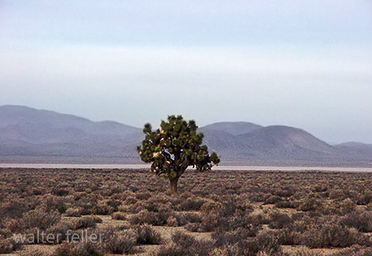
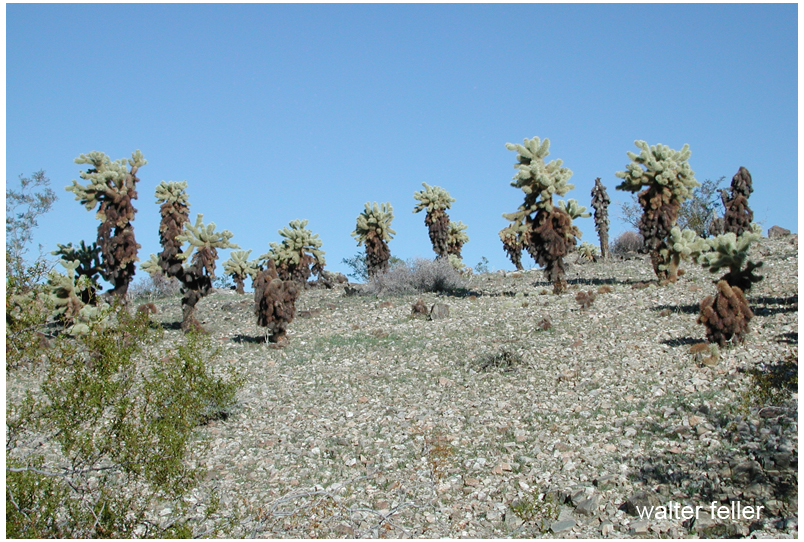
1. Yucca brevifolia – Commonly known as the Joshua tree, Yucca brevifolia is an iconic sight in the Mojave Desert. Its scientific name refers to the short leaves (brevifolia) that distinguish this species.
2. Larrea tridentata – Also known as the creosote bush, Larrea tridentata is a desert shrub that thrives in the Mojave Desert. Its scientific name reflects the three-toothed (tridentata) leaves that are characteristic of this plant.
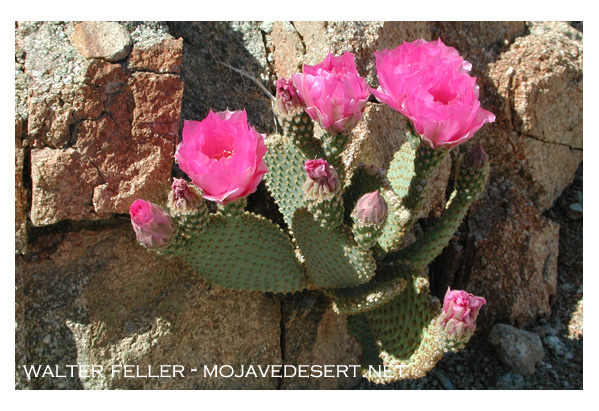
3. Opuntia basilaris – The beavertail cactus, scientifically known as Opuntia basilaris, is common in the Mojave Desert. Its scientific name refers to the basal (basilaris) pads that resemble a beaver’s tail.
Animals:
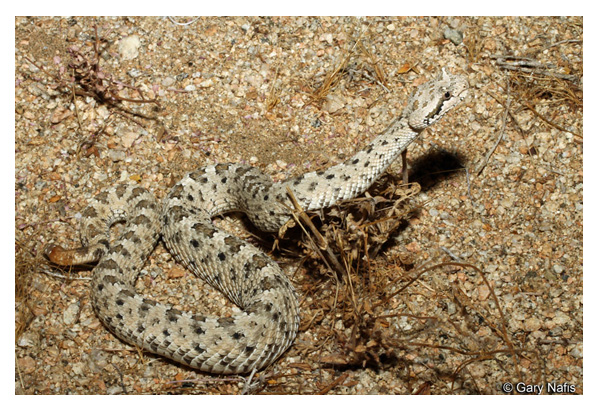
1. Crotalus cerastes – The sidewinder rattlesnake, scientifically known as Crotalus cerastes, is a venomous snake found in the Mojave Desert. Its scientific name refers to its scales’ horned (cerastes) appearance and unique sidewinding locomotion.
2. Dipodomys deserti – The desert kangaroo rat, scientifically known as Dipodomys deserti, is a small rodent that inhabits the Mojave Desert. Its scientific name reflects its desert habitat (deserti) and its kangaroo-like hopping behavior.
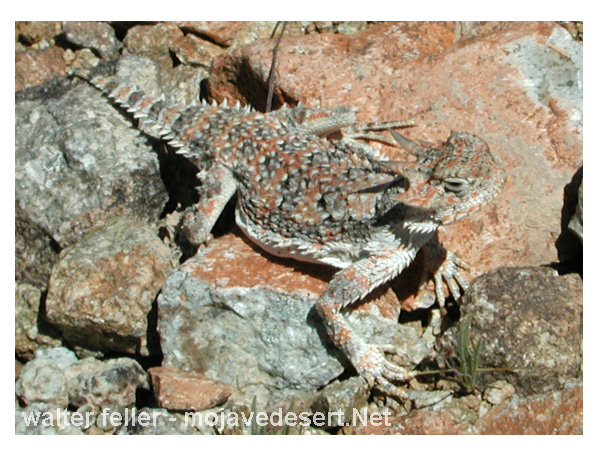
3. Phrynosoma platyrhinos – The desert horned lizard, scientifically known as Phrynosoma platyrhinos, is a reptile known for its unique appearance and defensive behavior. Its scientific name refers to this species’ flat-nosed (platyrhinos) characteristic.
These are just a few examples of the scientific names given to plants and animals that call the Mojave Desert their home. Understanding these names allows scientists and researchers to classify and study these organisms more effectively. It also highlights life’s incredible diversity and adaptability in this harsh environment.
As we continue to explore and learn about the Mojave Desert’s flora and fauna, let us appreciate the scientific names that provide a deeper understanding of the incredible plants and animals that thrive in this unique ecosystem.
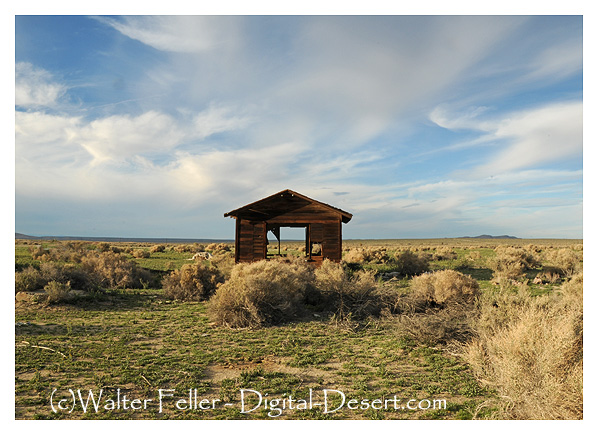
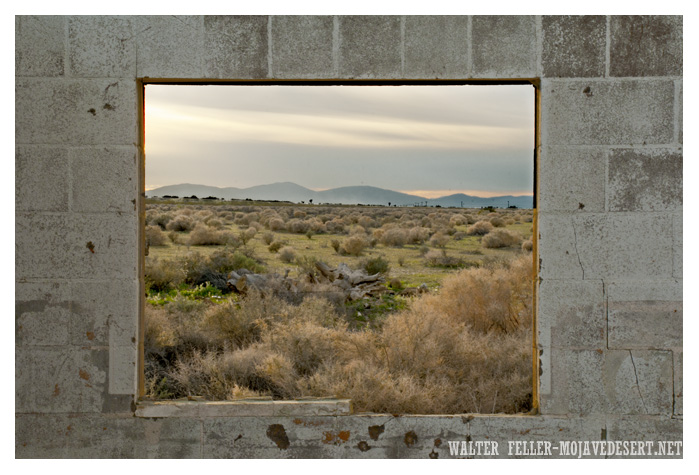
In the vast realm of digital art, few artists can claim to have revolutionized the medium quite like Walter Feller’s. With his groundbreaking project, aptly named the “Digital Desert,” Feller has created a virtual oasis of creativity that pushes the boundaries of what is possible in the digital world. In this post, we will explore the captivating world of Walter Feller’s Digital Desert and delve into the mesmerizing beauty that lies within.
Unveiling the Digital Desert:
The Digital Desert is not just a collection of digital vintage/historical and contemporary works but an immersive experience that transports viewers into a realm where contemporary reality and history blend seamlessly. Feller has meticulously crafted a vast landscape within the digital realm, using his exceptional technical skills and boundless artistic vision. The result is a breathtaking desert expanse teeming with dunes, majestic rock formations, and an ever-changing sky that displays nature’s nuances.
Exploring the Creative Oasis:
Within the Digital Desert, Feller’s creativity knows no bounds. It is a space where traditional artistic techniques merge with innovative digital tools. Each artwork within the Digital Desert is an awe-inspiring masterpiece, meticulously crafted with attention to detail and an unwavering dedication to perfection. From hyper-realistic landscapes, Feller’s artistry encompasses a vast array of styles and themes, leaving viewers captivated and inspired.
The Role of Technology:
Feller’s Digital Desert would not be possible without the technological advancements that have paved the way for digital art to flourish. Through his mastery of digital tools, Feller has harnessed the power of software and hardware to create art that pushes the boundaries of imagination in creating a historical model. The Digital Desert serves as a testament to the limitless possibilities that technology offers to historians and artists, allowing them to bring their visions to life in once unimaginable ways.
Impact and Influence:
Walter Feller’s Digital Desert has garnered widespread acclaim and has left an indelible mark on the digital art community. His work has inspired countless artists to explore digital art possibilities and opened up new avenues for creative expression. Feller’s unique ability to seamlessly blend traditional artistry with cutting-edge technology has set a new standard in digital art, making him a true pioneer.
Conclusion:
Walter Feller’s Digital Desert is a testament to the power of human creativity and the boundless possibilities within the digital realm. Through his awe-inspiring artworks, Walter Feller has created a virtual oasis that captivates viewers and pushes the boundaries of what is possible in digital art. The Digital Desert is a testament to Feller’s unparalleled talent, technical skill, and unwavering dedication to his craft. As we venture further into the digital age, the legacy of Walter Feller and his Digital Desert will undoubtedly continue to inspire and shape the future of art and internet development.
The western fence lizard, scientifically known as Sceloporus occidentalis, is a fascinating reptile found throughout North America’s western regions. With its unique appearance and interesting behaviors, this lizard has captured the attention of many nature enthusiasts and researchers alike. In this blog post, we will delve into the world of the western fence lizard and uncover some intriguing facts about this remarkable creature.
Physical Characteristics:
The western fence lizard has a distinctive appearance that sets it apart from other lizard species. It typically measures 5 to 8 inches long, with a slender body and a long, tapering tail. Its coloration varies depending on its environment, but it usually sports a grayish-brown or olive-brown hue, making it blend seamlessly with its surroundings. One of the most striking features of this lizard is the rows of spiky scales running along its back, giving it the appearance of a miniature dinosaur.
Habitat and Distribution:
This hardy lizard is commonly found in a variety of habitats, ranging from grasslands and woodlands to rocky outcrops and deserts. It is particularly prevalent in the western regions of North America, including California, Oregon, Washington, and parts of Mexico. The western fence lizard is well-adapted to dry and arid environments, often basking in the sun to regulate its body temperature. It is also an excellent climber, frequently seen perched on rocks or tree trunks.
Behavior and Diet:
The western fence lizard is primarily active during the day, basking in the sun to warm up its body and fuel its metabolism. It is an omnivorous lizard, meaning it feeds on a wide range of insects, spiders, snails, and small fruits. Interestingly, this lizard has also been observed consuming ticks, making it an important predator for controlling tick populations in its habitat. In addition, the western fence lizard is known for its unique defense mechanism known as “automimicry.” When threatened, it flattens its body and exposes its bright blue belly, tricking predators into mistaking it for a larger, more dangerous creature.
Reproduction and Lifespan:
Breeding season for the western fence lizard typically occurs during the spring and early summer months. Male lizards engage in territorial displays, bobbing their heads and extending their bright blue throat patches to attract females. Once mating occurs, females lay their eggs in sandy soil or under logs, and the eggs are left to incubate for several months. Hatchlings emerge in late summer or early fall, ready to embark on their own independent journeys. The lifespan of a western fence lizard can range from 5 to 10 years in the wild.
Conservation Status:
Fortunately, the western fence lizard is not currently listed as a threatened or endangered species. Its adaptability to various habitats and its ability to control tick populations make it an important component of its ecosystem. However, habitat loss and fragmentation due to human activities pose potential threats to the species. It is crucial that we continue to protect and conserve the natural habitats that support the western fence lizard and other wildlife.
Conclusion:
The western fence lizard is a captivating reptile with unique physical attributes and intriguing behaviors. Its ability to thrive in diverse environments and contribute to the ecosystem makes it a valuable species to study and appreciate. By understanding and respecting these remarkable creatures, we can ensure their survival and the preservation of the natural world they call home.
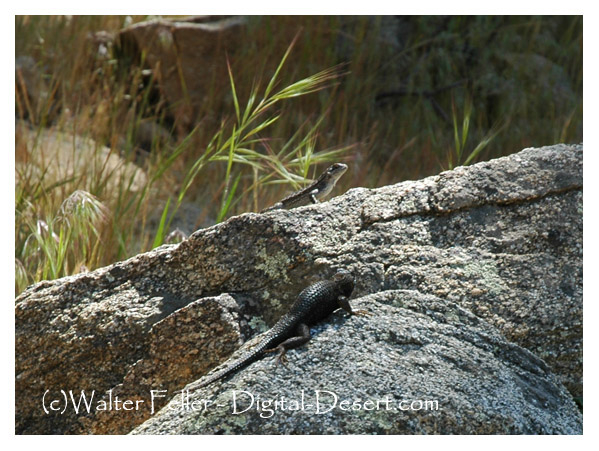
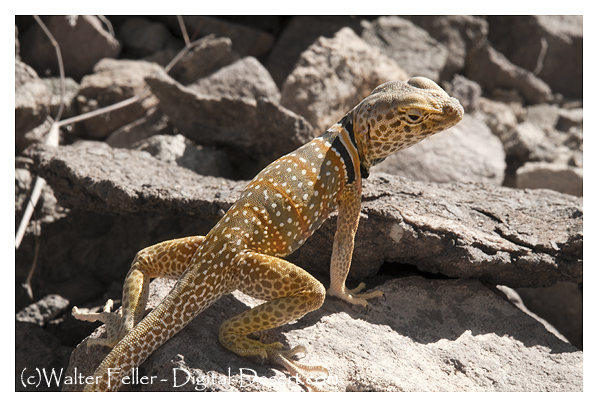
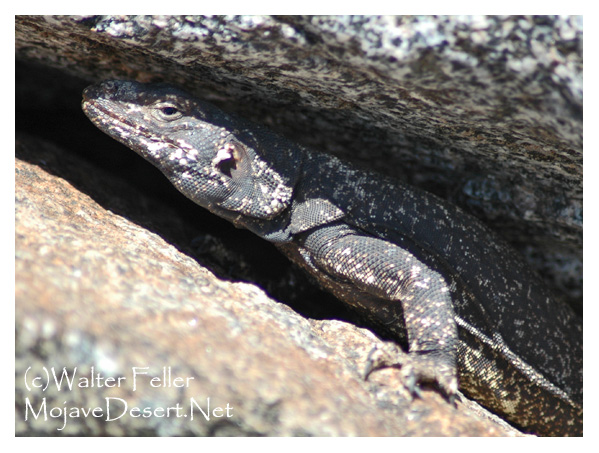
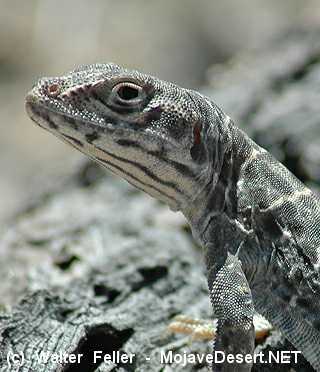
The Mojave Black-collared Lizard, scientifically known as Crotaphytus bicinctores, is a captivating reptile found in the arid regions of the Southwestern United States. With its distinct appearance and unique behaviors, this lizard species fascinates scientists and nature enthusiasts alike. Let us explore the intriguing characteristics of the Mojave Black-collared Lizard and its importance to the ecosystem.
Physical Features:
The Mojave Black-collared Lizard boasts a striking appearance, with a dark black collar around its neck that contrasts beautifully against its vibrant, patterned body. Typically, adult males have a more prominent collar than females, making it easier to identify their gender. This medium-sized lizard can grow up to 8 inches in length, with a slender body and long tail. Its skin is covered in small granular scales, providing both protection and flexibility.
Habitat and Distribution:
These lizards are primarily found in the Mojave Desert region, which spans across parts of California, Nevada, Arizona, and Utah. They thrive in arid, rocky landscapes, where they can bask in the sun and seek shelter within crevices and rock formations. The ability of the Mojave Black-collared Lizard to adapt to such harsh environments is truly remarkable.
Behavior and Diet:
The Mojave Black-collared Lizard is diurnal, meaning it is most active during the day. It spends a significant amount of time basking in the sun to regulate its body temperature and increase its energy levels. This lizard is an opportunistic hunter, preying on a variety of insects, spiders, and small reptiles. Its diet consists of grasshoppers, beetles, ants, and even smaller lizards.
Reproduction and Survival:
During the breeding season, which typically occurs in the spring, males engage in territorial displays to attract females. These displays involve head-bobbing, push-ups, and even changing their body colors to impress potential mates. After mating, females lay a clutch of eggs in sandy soil, carefully burying them for protection. The eggs incubate for several weeks before hatching, and the young lizards are fully independent upon emergence.
Conservation Status:
The Mojave Black-collared Lizard is currently listed as a species of least concern by the International Union for Conservation of Nature (IUCN). However, it is important to monitor their population numbers and habitat conditions, as the destruction of their arid habitats could pose a threat in the future. Conservation efforts, such as habitat preservation and controlled tourism in their natural habitats, can help ensure the long-term survival of this unique reptile.
Conclusion:
The Mojave Black-collared Lizard is undoubtedly a fascinating creature, with its distinct appearance, adaptive behaviors, and important role in the ecosystem. As we continue to explore and appreciate our planet’s biodiversity, it is crucial to protect and conserve species like the Mojave Black-collared Lizard, ensuring their survival for generations to come.
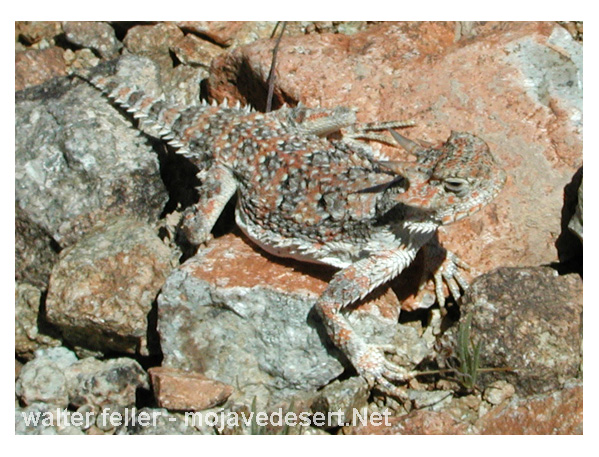
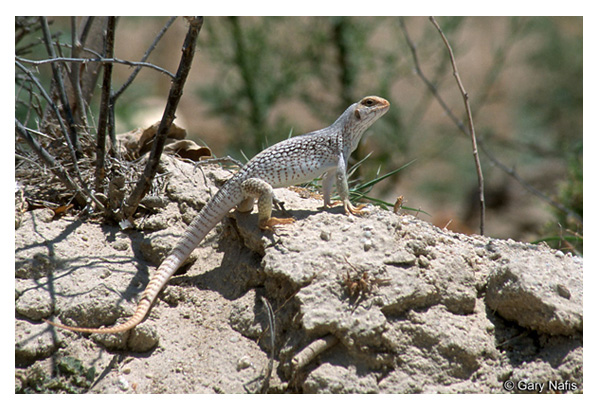
The Desert Horned Lizard, Phrynosoma platyrhinos, is a fascinating creature found in the arid regions of North America. With their unique appearance and amazing camouflage abilities, these lizards have adapted perfectly to survive in their harsh desert environment. In the following, we will explore the impressive features and behaviors of the Desert Horned Lizard.
Physical Characteristics:
The Desert Horned Lizard is easily recognized by its spiky appearance and distinctive horns on its head. These horns, along with its flattened body and rough texture, help to break up its outline and blend in with its surroundings. Their coloration ranges from sandy brown to gray, providing excellent camouflage against the desert’s sandy terrain. On average, they grow to about 3 to 5 inches in length, making them relatively small reptiles.
Camouflage and Defense:
One of the most remarkable features of the Desert Horned Lizard is its incredible camouflage abilities. They have the ability to change their skin color to match their environment, allowing them to blend seamlessly into the sand, rocks, and vegetation around them. This camouflage helps them evade predators and remain hidden from potential threats.
In addition to their camouflage, Desert Horned Lizards have a unique defense mechanism. When threatened, they puff up their bodies to appear larger, making it more challenging for predators to swallow them. They also have spiny scales on their bodies, which deter potential attackers. If all else fails, they can shoot a stream of blood from their eyes, which is not harmful but can confuse and deter predators.
Diet and Habitat:
Desert Horned Lizards primarily feed on ants, which make up the majority of their diet. Their specialized jaws and teeth allow them to quickly consume large quantities of ants. These lizards are well-adapted to their desert habitat, where they can be found in sandy areas, rocky outcrops, and even shrublands. They are mainly active during the day, basking in the sun to regulate their body temperature.
Reproduction:
During the breeding season, which typically occurs in the spring, male Desert Horned Lizards engage in courtship displays to attract females. Once mating occurs, the females lay a clutch of 8 to 18 eggs in a shallow nest dug in the sand. The eggs hatch after about 6 to 8 weeks, and the newborn lizards are independent from birth.
Conservation Status:
The Desert Horned Lizard is not currently listed as a threatened species. However, habitat destruction and fragmentation due to human activities potentially threaten their population. It is crucial to conserve their natural habitat to ensure their survival in the future.
Conclusion:
The Desert Horned Lizard’s ability to blend into its surroundings using camouflage is truly remarkable. These masters of disguise have adapted to survive in the harsh desert environment, relying on their unique appearance and defense mechanisms. By appreciating and protecting these fascinating creatures, we can contribute to the preservation of biodiversity in our world.
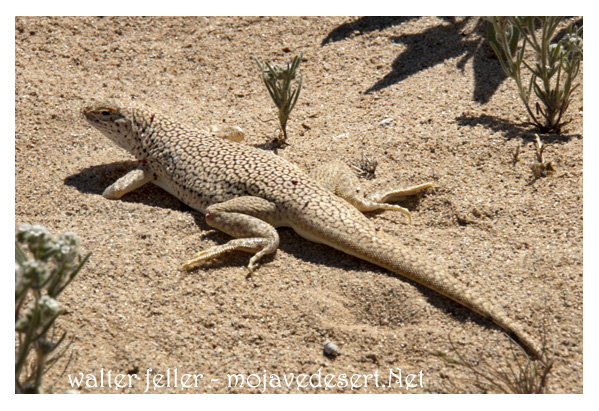
The Mojave fringe-toed lizard, scientifically known as Uma scoparia, is a fascinating reptile species that calls the arid Mojave Desert home. With its unique adaptations and impressive survival skills, this lizard has captured the attention of researchers and nature enthusiasts alike. Now, we will dig into the world of the Mojave fringe-toed lizard, exploring its physical characteristics, habitat, behavior, and conservation status.
Physical Characteristics:
The Mojave fringe-toed lizard is a medium-sized reptile measuring 3 to 4 inches long. Its slender body is covered in scales, which reduce water loss in desert environments. One of the most distinctive features of this lizard is the fringed scales on its hind toes. These scales help it run on loose sand. These specialized scales allow the lizard to move swiftly and effortlessly across shifting dunes.
Habitat:
This remarkable lizard species is primarily found in the sandy desert regions of the Mojave Desert, which spans parts of California, Nevada, Utah, and Arizona. The Mojave fringe-toed lizard prefers habitats with loose sand dunes within this arid landscape. These dunes offer the perfect environment for the lizard to burrow and seek refuge from extreme temperatures. It is well-adapted to the desert’s harsh conditions, where temperatures can reach scorching highs during the day and plummet to freezing lows at night.
Behavior:
The Mojave fringe-toed lizard is diurnal, meaning it is most active during the day. It spends much of its time foraging for food, mostly small insects, spiders, and other invertebrates. When threatened, this lizard exhibits a fascinating defense mechanism known as “fringe running.” Rapidly moving its hind legs creates a small sandstorm, which confuses predators and allows the lizard to escape. This unique behavior showcases the lizard’s remarkable adaptation to its sandy habitat.
Conservation Status:
While the Mojave fringe-toed lizard is not currently endangered, it faces several threats to its survival. Habitat loss due to urbanization, off-road vehicle use, and climate change poses significant challenges to this species. Efforts are being made to protect and conserve its habitat, such as establishing protected areas and implementing conservation measures. Research is also ongoing to further understand this unique lizard’s ecology and behavioral patterns, which will inform future conservation strategies.
Conclusion:
The Mojave fringe-toed lizard is a truly remarkable creature that has adapted to thrive in the harsh conditions of the Mojave Desert. Its specialized physical characteristics, habitat preferences, and unique behaviors make it a fascinating subject of study for researchers and nature enthusiasts. By raising awareness about the Mojave Fringe-toed Lizard and supporting conservation efforts, we can ensure the long-term survival of this desert marvel and preserve its place in the delicate ecosystem of the Mojave Desert.
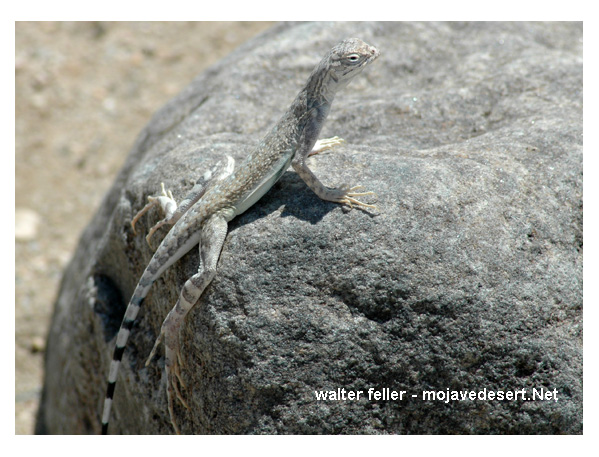
The Western whiptail lizard (Aspidoscelis tigris) inhabits arid regions across North and Central America. These lizards capture scientists and nature enthusiasts with their unique physical characteristics and intriguing behavioral traits. We will explore the world of the whiptail lizard, its habitat, physical attributes, diet, reproduction, and the remarkable adaptations that allow it to thrive in harsh desert environments.
Habitat and Distribution:
Whiptail lizards prefer to make their homes in arid, desert regions characterized by sandy or rocky terrain. They can be found in various parts of North and Central America, including the southwestern United States, Mexico, and parts of Central America. These lizards have adapted to survive in such harsh environments, where extreme temperatures and limited water sources pose constant challenges.
Physical Attributes:
One of the most distinctive features of the whiptail lizard is its long, slender body. This can range in size from a few inches to over a foot in length. Their tails, accounting for about two-thirds of their body length, are whip-like and highly flexible, providing exceptional agility and the ability to maneuver through their surroundings swiftly. Their bodies are covered in scales that protect them from the scorching desert sun and potential predators.
Diet:
Whiptail lizards are primarily insectivores, feeding on a variety of small invertebrates such as spiders, ants, beetles, and grasshoppers. Their keen eyesight and lightning-fast reflexes make them efficient hunters, allowing them to spot and capture their prey precisely.
Reproduction and Social Behavior:
The whiptail lizard exhibits unique reproductive behavior. Most species are parthenogenetic, which means they reproduce asexually without the need for males. Females are capable of laying unfertilized eggs, which develop into exact genetic replicas of their mothers. This remarkable adaptation allows populations to rapidly expand, as a single female can produce multiple clutches of eggs throughout the year. However, some species do engage in sexual reproduction, with males and females mating to produce offspring.
In terms of social behavior, whiptail lizards are typically solitary creatures with limited interactions with other members of their species. They establish territories and defend them fiercely, especially during the mating season. Males engage in courtship rituals, such as head-bobbing and tail-waving, to attract females.
Adaptations for Desert Life:
Whiptail lizards have developed several adaptations to survive in the harsh desert environment. Their light-colored scales help reflect sunlight, reducing heat absorption. They also possess specialized nasal passages that allow them to extract moisture from the air they breathe. Additionally, their ability to regulate their body temperature enables them to withstand extreme temperature fluctuations.
Conclusion:
The whiptail lizard is a fascinating reptile that has conquered the challenges of desert life through its unique physical attributes and behavioral adaptations. From its slender body and whip-like tail to its remarkable reproductive strategies and ability to thrive in arid environments, this reptile is a testament to the wonders of evolution. By understanding and appreciating the whiptail lizard, we gain insight into the remarkable diversity of life on our planet and how organisms adapt to their environments.
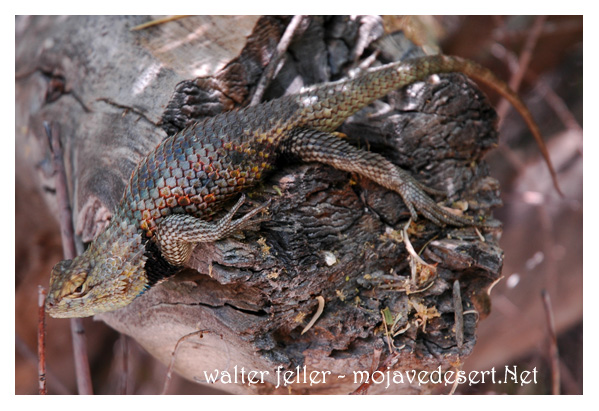
The Desert Spiny Lizard, scientifically known as Sceloporus magister, is a captivating reptile native to the arid regions of the southwestern United States and northwestern Mexico. With its unique appearance and intriguing behaviors, this lizard species has become a subject of fascination for researchers and nature enthusiasts alike. In this blog post, we will delve into the intriguing world of the Desert Spiny Lizard and uncover its remarkable characteristics and importance in its ecosystem.
Physical Features and Adaptations:
The Desert Spiny Lizard boasts a distinct appearance that sets it apart from other reptiles. Its body is covered in rough, spiky scales, giving it its name. These spines are especially prominent along its back and tail, providing a defense mechanism against potential predators. The lizard’s coloration varies depending on its habitat and temperature, ranging from pale gray to dark brown. This ability to change color allows the Desert Spiny Lizard to regulate its body temperature and blend seamlessly into its surroundings.
Habitat and Range:
As its name suggests, the Desert Spiny Lizard thrives in desert environments with sparse vegetation and rocky terrain. It can be found in several states across the southwestern United States, including Arizona, New Mexico, Nevada, California, and parts of northwestern Mexico. This lizard has adapted to the harsh conditions of its habitat, utilizing crevices in rocks and underground burrows as shelter during extreme temperatures.
The Desert Spiny Lizard is an omnivorous species, consuming a wide variety of insects, spiders, small vertebrates, fruits, and plants. Its diet primarily consists of ants, beetles, grasshoppers, and other small arthropods. This lizard is an expert climber, using its sharp claws to navigate rocky terrain and pursue prey. Its keen eyesight and quick reflexes make it a formidable predator in its ecosystem.
Reproduction and Life Cycle:
During the breeding season, which typically occurs in spring and early summer, male Desert Spiny Lizards engage in territorial displays to attract females. These displays involve head-bobbing, push-ups, and exposing their bright blue bellies. Once mating is successful, females lay a clutch of around 3-15 eggs in sandy soil or under rocks. The eggs incubate for approximately two months before hatching. Upon hatching, the young lizards are independent and must fend for themselves.
Conservation Status and Importance:
The Desert Spiny Lizard is considered a species of least concern, according to the International Union for Conservation of Nature (IUCN). Habitat destruction and fragmentation pose potential threats to its population. As an integral part of its ecosystem, this lizard helps control insect populations and serves as prey for larger predators. Studying and understanding the Desert Spiny Lizard’s behavior and adaptations can contribute to broader ecological research and conservation efforts.
Conclusion:
The Desert Spiny Lizard is an enchanting reptile that has adapted remarkably to survive in the harsh desert environments of the southwestern United States and northwestern Mexico. Its distinctive appearance, diverse diet, and intriguing behaviors make it a subject of fascination for scientists and nature enthusiasts alike. By appreciating and conserving the Desert Spiny Lizard and its fragile habitat, we can contribute to the preservation of the delicate balance of our desert ecosystems.
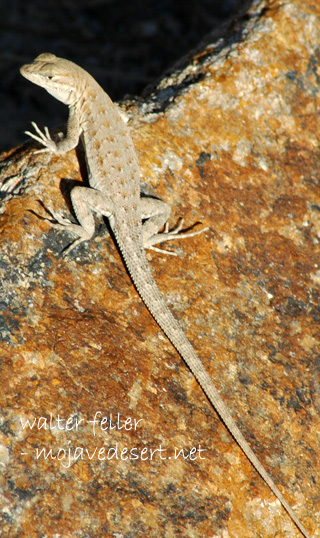
Side-blotched lizards, scientifically known as Uta stansburiana, are a remarkable species of reptiles that inhabit the arid regions of North America. These small, agile creatures have captured the attention of many researchers and reptile enthusiasts due to their unique characteristics and intriguing social behavior. In this blog post, we will delve into the world of side-blotched lizards, exploring their physical attributes, habitat, feeding habits, and the fascinating dynamics of their social interactions.
Physical Attributes:
Side-blotched lizards are relatively small, measuring 2 to 3.5 inches long. They have slender bodies covered in scales, providing protection and aiding their movement across rocky terrains. These lizards are known for their distinct color patterns, with males displaying three primary throat colors – orange, yellow, or blue – each representing a different mating strategy.
Habitat and Distribution:
Side-blotched lizards are native to the western regions of North America, ranging from Oregon and California to Mexico. They are well-adapted to arid and semi-arid environments, including deserts, rocky slopes, and shrublands. These habitats provide them with an abundance of crevices and rocks to hide under, allowing them to regulate their body temperature and protect themselves from predators.
Feeding Habits:
As opportunistic predators, side-blotched lizards have a varied diet. They primarily feed on small insects, such as ants, beetles, and spiders. Due to their small size, these lizards need to consume significant food to sustain their energy levels. They rely on their keen eyesight and quick reflexes to catch their prey, making them efficient hunters in their habitat.
Social Behavior:
One of the most intriguing aspects of side-blotched lizards is their complex social behavior. With their distinctive throat colors, the males employ different mating strategies to ensure their successful reproduction. The three primary throat colors – orange, yellow, and blue – represent different strategies: orange-throated males are dominant and defend large territories, yellow-throated males are sneaker males that mimic females to gain access to mates, and blue-throated males are territorial and monogamous.
These different mating strategies create a dynamic social structure within the population of side-blotched lizards. The success of each strategy is dependent on various factors, such as the number of available mates and the presence of other males with different throat colors. Researchers have found that these lizards can undergo rapid shifts in their mating strategies depending on the prevailing conditions and competition.
Conclusion:
Side-blotched lizards are a captivating species that exemplify the diversity and complexity of the natural world. Their unique physical attributes, habitat preferences, feeding habits, and intricate social behavior make them a subject of great interest among scientists and reptile enthusiasts alike. By studying these remarkable creatures, we gain valuable insights into the intricacies of evolutionary adaptations and the fascinating dynamics of social interactions in the animal kingdom.
The Zebra-tailed Lizard, scientifically known as Callisaurus draconoides, is a fascinating reptile found in the arid regions of the southwestern United States and northern Mexico. This lizard’s distinctive zebra-like pattern on its tail has captured researchers’ and nature enthusiasts’ attention. We will look into the intriguing world of the Zebra-tailed Lizard, exploring its physical characteristics, unique adaptations, and remarkable behavior.
Physical Characteristics:
The Zebra-tailed Lizard is a medium-sized reptile, measuring 5 to 7 inches long. It has a slender body, a pointed snout, and large eyes, which provide it with exceptional vision. This lizard’s most striking feature is its long, black and white banded tail, resembling the stripes of a zebra, hence its name. The purpose of this unique tail pattern will be discussed in more detail later in this post.
Habitat and Distribution:
Zebra-tailed Lizards inhabit the arid and semi-arid regions of the southwestern United States, including parts of California, Nevada, Arizona, Utah, and New Mexico. They are also found in northern Mexico. These lizards are well-adapted to desert environments and can be spotted in sandy areas, rocky slopes, and desert grasslands. Their coloration helps them blend into their surroundings, providing them with effective camouflage against potential predators.
Adaptations for Survival:
The Zebra-tailed Lizard possesses several remarkable adaptations that contribute to its survival in the harsh desert environment. One of its most impressive features is its ability to move quickly on its hind legs, allowing it to reach speeds of up to 18 miles per hour. This remarkable agility helps the lizard escape from predators and catch its prey, which mainly consists of insects and spiders.
Another notable adaptation of the Zebra-tailed Lizard is its ability to regulate its body temperature. Like many reptiles, these lizards are ectothermic, meaning they rely on external heat sources to warm their bodies. To avoid overheating in the scorching desert sun, they often bask in the early morning and late afternoon when the temperature is more moderate. Additionally, their light-colored skin reflects sunlight, reducing the amount of heat absorbed.
Behavior and Reproduction:
Zebra-tailed Lizards are diurnal creatures, meaning they are active during the day. They are known for their territorial behavior, with males defending their territories from other males during the breeding season. To attract females, the males perform a series of elaborate courtship displays, including head-bobbing and push-ups. Once mating occurs, the females lay their eggs in sandy soil, where they incubate for several weeks before hatching.
Conclusion:
The Zebra-tailed Lizard is a remarkable creature, perfectly adapted to survive in desert environments. Its unique physical attributes, such as its zebra-like tail and impressive speed, make it a fascinating subject of study for scientists and nature enthusiasts. As we continue to explore and appreciate the diverse species that inhabit our planet, it is vital to protect and conserve the habitats that sustain these remarkable creatures. This includes the zebra-tailed lizards.
The desert iguana, scientifically known as Dipsosaurus dorsalis, is an unusual reptile that thrives in the arid regions of North America. This lizard captures scientists’ and nature enthusiasts’ attention with its remarkable adaptations and intriguing behaviors. In this fascinating world of the desert iguana, explore its appearance, habitat, diet, reproduction, and challenges in its harsh environment.
Appearance:
The desert iguana is a medium-sized lizard, typically measuring 10 to 16 inches long. Its body is covered in rough, grayish-brown scales, which help it blend seamlessly with its surroundings. One of the most distinctive features of the desert iguana is the row of large, spiky scales that run down its back and tail, providing protection and aiding in thermoregulation. These unique scales also contribute to its overall appearance, making it a visually striking creature.
Habitat:
As the name suggests, the desert iguana inhabits arid and semi-arid environments such as deserts, rocky areas, and shrublands. It can be found in regions spanning the southwestern United States, including California, Nevada, Arizona, and parts of Mexico’s Baja California peninsula. These reptiles have evolved to withstand extreme temperatures. They can often be seen basking in the sun to absorb warmth while seeking shelter in burrows or under rocks during the day’s hot hours.
Diet:
The desert iguana is primarily herbivorous, with its diet consisting mainly of fruits, flowers, leaves, and the occasional insect. Despite the scarcity of vegetation in its habitat, this lizard has adapted to efficiently extract moisture from its food, enabling it to survive in arid conditions. By consuming a variety of plants, the desert iguana plays an important ecological role in seed dispersal, contributing to the diversity and regeneration of its habitat.
Reproduction:
Breeding usually occurs during the spring, when temperatures are more favorable for the survival of the hatchlings. Males engage in territorial displays, showcasing their vibrant colors and engaging in push-up contests to establish dominance. Once mating occurs, females lay clutches of eggs in sandy soil, carefully choosing locations that provide suitable conditions for incubation. After an incubation period of approximately 60 to 75 days, the hatchlings emerge, equipped with the instinctual knowledge to navigate their environment.
Challenges and Conservation:
The desert iguana faces several challenges in its harsh habitat. Urban development, habitat fragmentation, and climate change pose significant threats to its survival. These factors, coupled with illegal collection for the pet trade, have led to declining population numbers in certain areas. Conservation efforts, such as protected areas and public awareness campaigns, are crucial in ensuring the long-term survival of this remarkable species.
Conclusion:
The desert iguana, with its unique adaptations and ability to thrive in the arid regions of North America, is a testament to the resilience of nature. As we continue to explore and appreciate the diversity of our planet, it is vital that we work towards preserving and protecting species like the desert iguana. By understanding and respecting these incredible creatures, we can contribute to their conservation and ensure that future generations can also marvel at their fascinating presence in the desert landscapes.
The chuckwalla, scientifically known as Sauromalus ater, is a fascinating reptile that calls the arid regions of the southwestern United States and northern Mexico its home. With its distinctive appearance and intriguing behaviors, the chuckwalla has captivated the interest of scientists and nature enthusiasts alike.
One of the most striking features of the chuckwalla is its robust and stocky build. These lizards can grow up to 15 inches in length and have a heavyset body covered in rough, granular scales. Their coloration varies, but they are often seen in shades of gray, brown, or black, which helps them blend seamlessly with their rocky desert surroundings.
Chuckwallas are primarily herbivorous, feasting on a diet consisting mainly of leaves, flowers, fruits, and the occasional insect. Their specialized digestive system allows them to efficiently process plant materials, making them well-suited to their desert habitat where vegetation can be scarce.
In terms of behavior, the chuckwalla is known for its ability to regulate body temperature through basking in the sun. They are often seen perched on rocks, soaking up the desert heat. This behavior is crucial for their survival in the extreme desert environment, as it enables them to reach their optimal body temperature for digestion and overall functioning.
Another interesting characteristic of the chuckwalla is its ability to inflate itself when threatened. When cornered or feeling endangered, it wedges itself into rock crevices and puffs up its body, making it difficult for predators to extract them. This defense mechanism and their excellent climbing skills help ensure their survival in the harsh desert landscape.
Despite their resilient nature, chuckwallas face numerous challenges in their habitat. Habitat loss due to human activities, such as urbanization and agriculture, poses a significant threat to their population. Climate change and increased predation from invasive species further exacerbate their vulnerability.
Conservation efforts are crucial to safeguard the chuckwalla population and its habitat. Protecting their natural habitat, promoting awareness, and implementing measures to mitigate human impact are essential steps in preserving these enigmatic desert lizards for future generations to appreciate.
In conclusion, the chuckwalla is a remarkable reptile that has adapted to thrive in the harsh desert environment. Its unique physical features, specialized diet, and intriguing behaviors make it a subject of interest for researchers and nature enthusiasts alike. By understanding and protecting these mysterious creatures, we can ensure their survival and contribute to the preservation of the delicate desert ecosystems they call home.
The world of reptiles is home to a plethora of unique and captivating species, and one that stands out is the long-nosed leopard lizard. With its distinct appearance and impressive adaptations, this lizard has gained attention from researchers and reptile enthusiasts alike. Following is the world of the long-nosed leopard lizard, exploring its characteristics, habitat, behavior, and conservation status.
Appearance and Characteristics:
The long-nosed leopard lizard, scientifically known as Gambelia wislizenii, is a species native to the arid regions of the southwestern United States and northwestern Mexico. It is named after its long and slender snout, which aids in catching prey and digging into the sandy soil where it resides. This lizard typically measures around 5 to 7 inches in length, with females being slightly larger than males.
Habitat and Distribution:
Long-nosed leopard lizards are primarily found in desert grasslands, sagebrush scrub, and sandy habitats. They prefer areas with loose soil, allowing them to burrow and seek refuge from predators and extreme temperatures. Their range includes parts of Arizona, New Mexico, Nevada, Utah, and California, as well as the Mexican states of Sonora and Baja California.
Behavior and Diet:
As diurnal creatures, long-nosed leopard lizards are most active during the day, basking in the sun to regulate their body temperature. They are skilled hunters, relying on their excellent eyesight and lightning-fast reflexes to catch prey, which primarily consists of insects, spiders, and other small invertebrates. These lizards are known for their agility and can swiftly maneuver in pursuit of their prey.
Reproduction and Life Cycle:
Breeding season for long-nosed leopard lizards usually occurs in the spring, with males engaging in territorial displays to attract females. Female lizards lay their eggs in shallow burrows, where they are protected from extreme temperatures and potential predators. After an incubation period of approximately two months, the hatchlings emerge, ready to explore their desert surroundings.
Conservation Status:
Unfortunately, the long-nosed leopard lizard faces several threats to its survival. Habitat loss due to urbanization and agriculture has significantly impacted their populations. Additionally, the introduction of non-native species and climate change pose further challenges. As a result, the long-nosed leopard lizard is categorized as a species of concern and is protected under state and federal legislation.
Conclusion:
The long-nosed leopard lizard is a remarkable reptile that has adapted to thrive in the harsh desert environments of the southwestern United States and northwestern Mexico. Its distinct appearance, agile behavior, and unique adaptations make it a fascinating subject for researchers and reptile enthusiasts. However, with increasing human activities and environmental changes, it is crucial to raise awareness and take measures to conserve this remarkable species for future generations to appreciate and study.