Borax Wagons

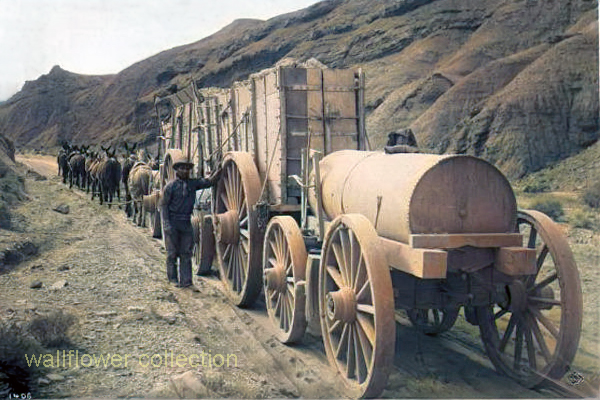
The 20-mule team borax ore wagons used in the late 1800s to transport borax from the mines in Death Valley, California, were quite large and had specific dimensions.

Here are the approximate dimensions for a typical 20-mule team borax ore wagon:

  1. Length: Approximately 30 feet (9 meters)
  2. Width: About 8 feet (2.4 meters)
  3. Height: Around 7 feet (2.1 meters)
  4. Weight: These wagons weighed approximately 7 tons when fully loaded with borax ore.

These massive wagons required a team of 18 mules and two horses to pull them across the harsh desert terrain. They were an iconic part of the borax mining industry in the late 19th century and were crucial in transporting borax to the nearest railroad for distribution.

  1. Two large ore wagons were used to transport the borax ore from the mines in Death Valley to the nearest railroad for shipment. They were massive and could carry a significant amount of borax.
  2. One water tank wagon: There was a specialized tank wagon in addition to the two ore wagons. This wagon carried water for the mules and horses that pulled the wagons. The desert environment of Death Valley was harsh, and providing water for the animals was crucial to their survival during the long and arduous journey.

So, the 20-mule team borax wagons actually consisted of 18 mules and 2 horses pulling two ore wagons and one water tank wagon. These wagons became an iconic symbol of the borax mining industry in the late 19th century.

Borax

20-Mule Teams

Harmony

Shoshone/Tecopa

/shoshone-tecopa/

The history of the Tecopa and Shoshone area in California is closely tied to the region’s Native American heritage and the later development spurred by mining and tourism. Here’s a brief overview of the history of this area:

  1. Native American Presence: Before European and American settlement, the Tecopa and Shoshone region was inhabited by Native American tribes, including the Southern Paiute people. They had a rich cultural history and lived harmoniously with the desert environment.
  2. Mining Era: In the late 19th century, mining activities brought settlers to the area. Tecopa was named after a Paiute leader and became a mining town. Various minerals, including borax, were mined in the region. Mining operations attracted people looking for economic opportunities.
  3. Shoshone’s Beginnings: Shoshone, known as Metberry Springs, developed as a railroad station and water stop along the Tonopah and Tidewater Railroad in the early 20th century. The name was later changed to Shoshone.
  4. Water Resources: The presence of natural springs in the Shoshone area, including the famous Shoshone Springs, played a crucial role in attracting settlers and supporting mining and agricultural activities in the arid desert environment.
  5. Borax and Tourism: Borax mining was a significant industry in the area, and the famous Twenty Mule Team wagons transported borax from the region to the market. The Harmony Borax Works, located nearby, was a key mining operation. Additionally, the unique desert landscapes and proximity to Death Valley National Park began to draw tourists.
  6. Modern-Day Shoshone and Tecopa: Today, Shoshone and Tecopa are small communities that rely on tourism, agriculture, and the natural springs for their economy. They serve as gateways to Death Valley National Park, attracting visitors interested in exploring the desert’s unique beauty, geology, and history.
  7. Cultural and Historical Preservation: Efforts have been made to preserve the historical and cultural heritage of the Tecopa and Shoshone area. The Shoshone Museum, for example, provides insights into the region’s history.

Overall, the history of Tecopa and Shoshone, CA, reflects the area’s development from its Native American roots through mining and the growth of tourism, all while showcasing the rugged beauty of the Mojave Desert and its natural resources.

Rainbow Basin Geology

/rainbow-basin/

Rainbow Basin

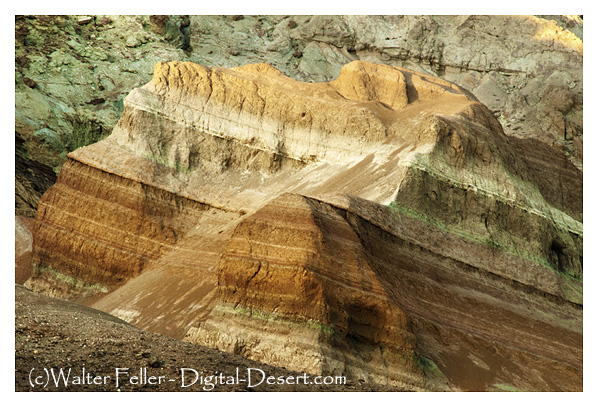
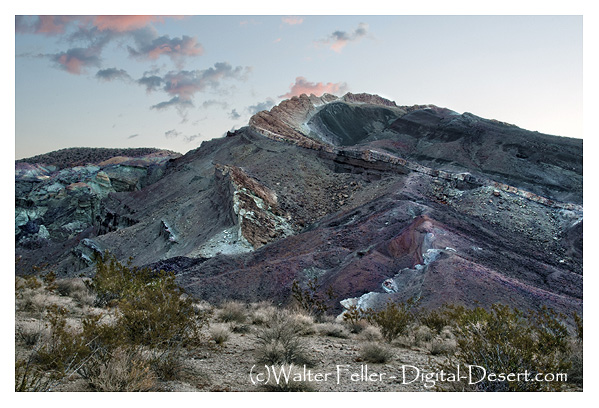
Rainbow Basin is a geological formation in the Mojave Desert of California. It is known for its unique and colorful rock formations, which provide valuable insights into the region’s geological history. Here are some key aspects of the geology of Rainbow Basin:

  1. Sedimentary Rocks: Rainbow Basin primarily comprises sedimentary rocks accumulated over millions of years. These rocks include sandstones, shales, and mudstones. The different layers of sedimentary rocks represent different periods of geological history.
  2. Fossilized Marine Life: Within the sedimentary rocks of Rainbow Basin, fossils of marine life from the Miocene epoch (approximately 15-20 million years ago) have been found. These fossils include shells, bones, and other remnants of ancient sea creatures. This suggests that a shallow sea once covered the area.
  3. Faulting and Uplift: The geology of Rainbow Basin has been influenced by tectonic forces. The region is situated near the intersection of several fault lines, including the Garlock Fault. These fault movements have caused the uplift of the rocks, exposing them to erosion and creating the unique landscape seen today.
  4. Erosion and Weathering: Over time, erosion and weathering have shaped the colorful rock formations in Rainbow Basin. These processes have created intricate patterns and exposed layers of colored sediments, giving the area its name.
  5. Geological Time Scale: The rocks at Rainbow Basin span a significant portion of the geological time scale, providing geologists with valuable information about the changing environments and life forms that existed in the area millions of years ago.
  6. Geological Tours: Rainbow Basin is a popular destination for geological enthusiasts and tourists interested in its unique geology. There are guided tours and interpretive exhibits that provide insights into the geological history of the area.
Rainbow Basin photo
Rainbow Basin, Barstow, Ca.

In summary, Rainbow Basin is a geological wonder in the Mojave Desert, characterized by its sedimentary rocks, fossils, faulting, erosion, and vibrant colors. It offers a glimpse into the geological history of California and the forces that have shaped its landscape over millions of years.

/blog/mojave-desert-geology/

Barstow Area Mining

The history of mining in the Barstow area is closely tied to the extraction of various minerals and resources that played a significant role in the development of Southern California. Here’s a more detailed look at the history of mining in the Barstow area:

  1. Borax Mining: Borax mining was one of the earliest mining activities in the Barstow region. In the late 19th century, borax deposits, a valuable industrial mineral used in various applications, were discovered in the nearby Calico Mountains. The Pacific Coast Borax Company, owned by Francis Marion “Borax” Smith, was instrumental in developing borax mines in the area. This marked the beginning of significant mining operations in the region, with borax being a primary focus.
  2. Calico Mining District: The Calico Mining District, which includes the town of Calico, was a major center of mining activity in the Barstow area. Silver and silver-lead ores were the primary resources mined in this district. At its peak in the late 1800s, Calico had a population of over 3,000 people and was a bustling mining town.
  3. Calico Ghost Town: Calico, often referred to as Calico Ghost Town today, was once a thriving mining town. It featured numerous mines, including the Bismarck, Silver King, and Oriental Mines. Visitors to Calico can explore the well-preserved historic buildings, mines, and artifacts, gaining insight into the region’s mining history.
  4. Railroad Transportation: The expansion of railroads played a crucial role in facilitating the transportation of mined materials from the Barstow area to other parts of California and beyond. The Atchison, Topeka, and Santa Fe Railway was a key transportation link for the mining industry, enabling the efficient movement of ores and minerals.
  5. Variety of Minerals: While borax, silver, and silver-lead ores were among the most significant resources mined in the Barstow area, various other minerals were also extracted. These included gypsum, limestone, and barite. These minerals had industrial applications and were important for construction and manufacturing.
  6. Decline of Mining: As the easily accessible mineral deposits were depleted, mining activities in the Barstow area began to decline. Many mines were abandoned, and mining communities saw a decrease in population. The shift in economic focus led to the decline of mining as a major industry in the region.

Today, the mining history of the Barstow area is preserved through places like Calico Ghost Town, museums, and historical sites. These serve as reminders of the pioneering spirit of early miners and the role mining played in shaping the history of Barstow and the surrounding region.

Barstow Mining,Mojave Desert Mining,Mining History,Barstow Area Mines,Mojave Desert Geology,Mining Towns,Historic Mining Sites,California Mining History,Barstow Geology,Old Mines in Barstow,Desert Mining Operations,Gold Mining,Silver Mining,Mining Artifacts,Barstow Natural History,Mining Camps,Mineral Exploration,Abandoned Mines,Mining Technology,Mojave Desert Resources

Legends of Bodie

Bodie Ghost Town is not only known for its well-preserved historical buildings but also for its legends and stories that have contributed to its reputation as a haunted and mysterious place.

Here are some of the legends associated with Bodie:

  1. The Curse of Bodie: One of the most famous legends surrounding Bodie is the supposed curse that befalls anyone who removes items or artifacts from the town. According to the legend, those who take something from Bodie will suffer bad luck until they return the item. As a result, many people who have taken souvenirs from the town have mailed them back, claiming misfortune.
  2. The Ghosts of Bodie: Bodie is often considered one of the most haunted places in California. Visitors and park rangers have reported numerous ghostly sightings and unexplained phenomena. Some claim to have seen apparitions of former residents heard disembodied voices or witnessed strange lights in the windows of abandoned buildings.
  3. The Jinxed Bodie Gold Nugget: Legend states that a large gold nugget was found in Bodie in the late 1800s. The nugget was said to be cursed, and those who possessed it met with misfortune or tragedy. Some believe the nugget was eventually returned to Bodie to lift the curse.
  4. The Murder of Cain and Kenner: Two brothers, Cain and Kenner, were involved in a bitter dispute over a mining claim in Bodie. The feud escalated, leading to the murder of both brothers. It is said that their spirits still haunt the town, and some visitors claim to have heard the sound of gunshots echoing in the distance.
  5. The Lady in White: A popular ghost story involves the “Lady in White,” who is said to roam the streets of Bodie at night. According to the legend, she appears as a woman in a white dress, often near the cemetery. Her identity and the circumstances of her death remain a mystery.
  6. The Bodie Fire Curse: Bodie experienced several destructive fires during its history, including a massive blaze in 1932 that devastated much of the town. Some believe these fires resulted from a curse placed on the town due to its wild and lawless reputation during its heyday.
  7. The Phantom Miner: There have been reports of a phantom miner wandering the hills around Bodie. This spectral figure is often described as a miner with a pickaxe and a lantern, continuing his work in the afterlife.

It’s important to note that these legends are part of the folklore and mystique surrounding Bodie Ghost Town. While they add to the town’s allure, they are not verified historical facts. Nonetheless, they contribute to the intrigue and mystique of Bodie, making it a captivating destination for those interested in history and the supernatural. Visitors can enjoy these stories while exploring the well-preserved remnants of the past in this iconic ghost town.

A Day in Bodie Ghost Town

A day in Bodie Ghost Town provides visitors with a unique and immersive experience that offers a glimpse into the past and showcases the history, culture, and daily life of a late 19th-century mining town.

Here’s what a day in Bodie can show you:

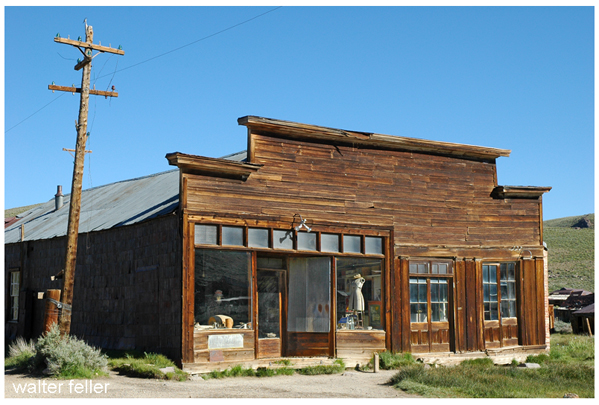
  1. Well-Preserved Buildings: Bodie is known for its remarkably well-preserved buildings. A walk through the town reveals a variety of structures, including homes, saloons, general stores, a church, a schoolhouse, and more. These buildings are frozen in time, filled with period-appropriate furnishings, tools, and artifacts, allowing visitors to see how people lived and worked in the late 1800s.
  2. Historic Artifacts: Inside the buildings and throughout the town, you’ll find a wide range of historical artifacts, from old mining equipment to personal belongings of the town’s former residents. These items provide insight into the daily lives and occupations of Bodie’s inhabitants.
  3. Authentic Atmosphere: Bodie Ghost Town has a unique atmosphere that transports visitors back in time. The unpaved streets, weathered wooden buildings, and the absence of modern amenities contribute to an authentic Old West ambiance.
  4. Interpretive Displays: The Bodie State Historic Park often features interpretive displays and signs that provide historical context and information about the town’s history, its prominent figures, and its residents’ challenges.
  5. Photography Opportunities: Bodie is a popular destination for photographers due to its picturesque buildings, dramatic landscapes, and the way natural elements have reclaimed some areas. The interplay of light and shadow on the historic structures creates stunning photo opportunities.
  6. Ghost Town Lore: Visitors can learn about the legends and stories associated with Bodie, including its reputation for being a rough and lawless place during its heyday. The town’s history contains tales of mining accidents, shootouts, and colorful characters.
  7. Spectacular Scenery: Bodie is surrounded by beautiful natural landscapes, with views of the Sierra Nevada Mountains in the background. Visitors can enjoy the region’s scenic beauty, including meadows and desert flora.
  8. Visitor Center: Bodie has a visitor center where you can gather information about the town’s history, obtain maps, and watch introductory videos that provide background on the site. It’s a good starting point for your visit.
  9. Guided Tours (seasonal): Bodie may offer guided tours led by knowledgeable park rangers or docents, depending on the time of year. These tours provide additional insights and stories about the town’s history.
  10. Peaceful Serenity: Bodie is often described as a peaceful and serene place. The remote location, lack of crowds (compared to more famous tourist destinations), and the sense of isolation contribute to a tranquil and reflective experience.

Overall, a day in Bodie Ghost Town offers a fascinating journey into the past, providing a tangible connection to the lives of those who once called this historic mining town home. It’s a place where history comes alive, and visitors can appreciate the challenges and triumphs of the people who lived there during the late 1800s.

Sorrow

Sorrow deepens in the evening
then glides on tilted wings
Between the twisted trees
Above the trail through a woodland malice
.


.
And shadow after shadow drops from
the moonlight pouring through the forest.
The white moon and the burnt black shadows.
Shoved into sadness
.
These terrible shadows, one after another
Long wings slowly, gracefully beating
Silent, save the wind.
Silent and sad.
.

Arrowhead Pinnacles

/arrowhead-pinnacles/

Arrowhead Pinnacles is a popular rock climbing area in Southern California’s San Bernardino Mountains. It is known for its unique and challenging rock formations, making it a favorite destination for rock climbers and outdoor enthusiasts.

Here are some key details about Arrowhead Pinnacles:

  1. Location: Arrowhead Pinnacles is situated within the San Bernardino National Forest, near the city of San Bernardino in San Bernardino County, California. It is approximately 80 miles east of Los Angeles.
  2. Rock Formations: The area is characterized by a series of granite rock spires and pinnacles, which provide a wide range of climbing opportunities. The granite formations offer a variety of cracks, slabs, and faces for climbers of different skill levels.
  3. Rock Climbing: Arrowhead Pinnacles is primarily known for its rock climbing opportunities. Climbers can find routes that vary in difficulty, from beginner-friendly routes to more advanced and challenging climbs. The granite rocks and scenic surroundings make it a popular destination for traditional and sports climbing.
  4. Access: Access to Arrowhead Pinnacles typically requires a National Forest Adventure Pass for parking. The area is accessible via a short hike from the parking area to the climbing routes. Climbers should check for specific regulations and access updates from the San Bernardino National Forest or local climbing organizations.
  5. Scenic Beauty: Besides rock climbing, Arrowhead Pinnacles offers stunning views of the surrounding San Bernardino Mountains and Lake Arrowhead. The area’s natural beauty attracts climbers, hikers, and nature enthusiasts.
  6. Safety: Climbing at Arrowhead Pinnacles requires proper gear, including ropes, harnesses, helmets, and climbing shoes. Climbers should also be aware of the weather conditions and potential hazards associated with outdoor rock climbing.

As with any outdoor activity, it’s essential for climbers to prioritize safety and adhere to Leave No Trace principles to protect the natural environment. Before visiting Arrowhead Pinnacles, you should check with local climbing organizations or the San Bernardino National Forest for up-to-date information on access, routes, and any seasonal closures or restrictions.

Gold Drywashers

/gold-mining/dry-washer.html

Drywasher

A drywasher for gold is a piece of equipment used in gold prospecting and mining. It is a device that uses air to separate gold particles from other materials, such as sand and gravel, without water. Here’s how it typically works:

  1. Dry Material Feed: A drywasher is loaded with dry material from a gold-bearing area, such as soil or gravel, that may contain gold flakes or nuggets.
  2. Vibrations: The dry washer has a vibrating mechanism that shakes the material, allowing the gold particles to settle downward due to their higher density.
  3. Air Blower: An air blower blows air through the material. The airflow helps to separate the lighter materials (like sand and gravel) from the heavier gold particles. Gold is denser than most other materials in the mixture, so it settles at the bottom.
  4. Collection Tray: At the bottom of the drywasher is a tray or riffles where the separated gold collects. Miners can then carefully remove the gold from this tray.
  5. Repeat Process: The process is repeated until no more gold is collected, indicating that the gold-bearing material has been processed.

Drywashers are particularly useful in arid regions where water is scarce or where regulations restrict water use for mining activities. They are portable and relatively easy for small-scale prospecting and mining operations.

It’s important to note that using a drywasher for gold requires understanding gold prospecting techniques and knowing where to find gold-bearing material. Additionally, following local laws and regulations related to gold prospecting and mining activities is essential.

https://digital-desert.com/gold-mining/

https://digital-desert.com/randsburg-ca/cw-tucker/29.html

Acorn Canyon

/angeles-national-forest/

Acorn Falls

The Acorn Canyon Trail is a popular hiking trail in Wrightwood, California. It is part of the San Gabriel Mountains and offers a beautiful natural setting for outdoor enthusiasts. The trail is known for its scenic views.

View from the Acorn Trail

Trail conditions, accessibility, and regulations may change over time, so it’s a good idea to check with local authorities or websites dedicated to hiking in the area for the most up-to-date information before planning your visit. Additionally, be prepared with appropriate hiking gear and follow Leave No Trace principles to protect the environment while enjoying the trail.

Acorn Canyon is indeed a part of the Angeles National Forest in California. It’s a beautiful area for hiking and enjoying the outdoors. As with any outdoor activity, it’s important to be prepared and follow safety guidelines when exploring this area.

Acorn Falls

Here are some general tips:

  1. Trail Information: Ensure you have up-to-date information about the Acorn Canyon Trail, including its length, difficulty level, and recent trail conditions or closures. This information is often found on the Angeles National Forest website or from local ranger stations.
  2. Hiking Gear: Wear appropriate clothing and footwear for hiking. Don’t forget essentials like a hat, sunscreen, sunglasses, and plenty of water. Depending on the season, you may also want to carry insect repellent.
  3. Trail Etiquette: Practice Leave No Trace principles by staying on designated trails, disposing of trash properly, and respecting wildlife. It’s also a good idea to yield the trail to others and be courteous to fellow hikers.
  4. Safety: Let someone know your plans, including your expected return time. Carry a map and a fully charged cell phone, but be aware that cell phone reception may be limited in some parts of the forest.
  5. Wildlife: Be aware of the potential for encounters with wildlife, including snakes. Stay on the lookout and keep a safe distance.
  6. Weather: Check the weather forecast for the area before heading out. Weather conditions can change rapidly in mountainous areas, so be prepared for sudden temperature drops or rain.
  7. Permits and Regulations: Depending on the specific trail and activities you plan to do, you may need permits or have to follow certain regulations. Check with the forest service or relevant authorities for necessary permits or rules.
  8. Emergency Contacts: Have the contact information for local emergency services or the nearest ranger station in emergencies.

Safety should be a priority when enjoying the outdoors, especially in wilderness areas like the Angeles National Forest. Enjoy your hike in Acorn Canyon and take in the area’s natural beauty while staying safe and respecting the environment.