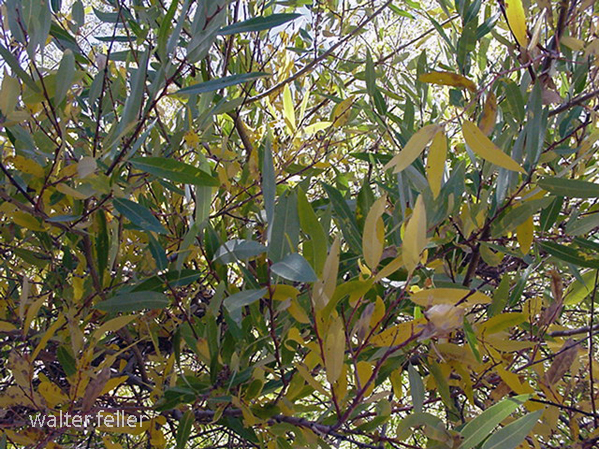
Experiencing solitude differs from just being alone. Being alone means having no one else present, while solitude is freedom from being watched, measured, interrupted, explained, or directed.
This is why it isn’t solitude if someone tells you so. When another names it, your experience transforms into performance. You’re no longer simply alone; you’re seen as alone, and that changes everything. True solitude can’t be certified; it has no witness.
Solitude arrives when the mind stops looking over its shoulder—no audience to impress, answer, or defend against. At first, it feels empty, but then honest. The usual noise from others fades, as well as the quiet inside you grows.
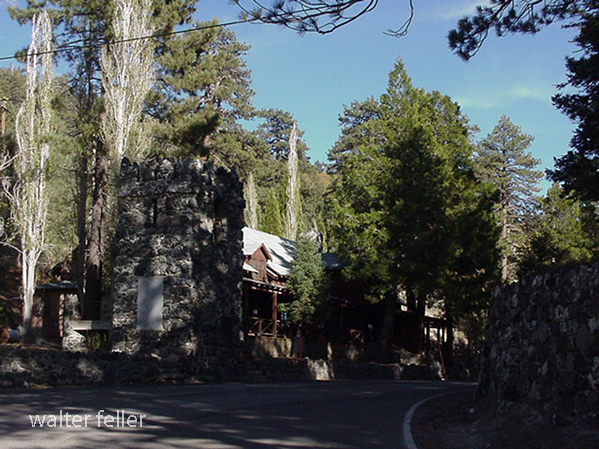
Because of this inward journey, solitude must be discovered, not assigned. Someone might point you to a trail, canyon, road, or quiet room, but can’t give you the experience. You must arrive inwardly and stay until silence feels present, not absent.
It is important to note that solitude is not loneliness, even though the two may seem alike at first. Loneliness longs for company; solitude accepts aloneness. Loneliness feels like exclusion; solitude feels like being reunited with yourself. Solitude is a private settlement between a person and the world.
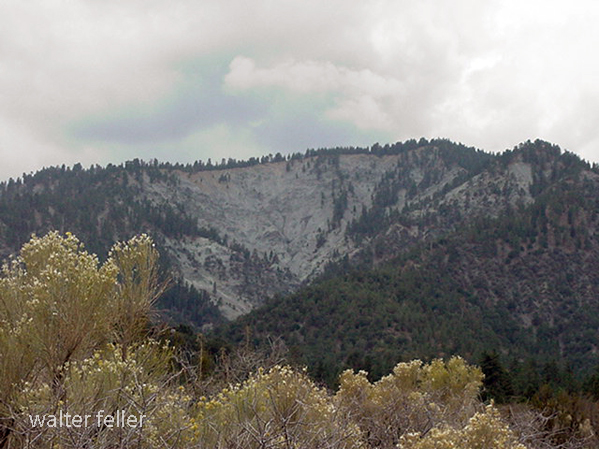
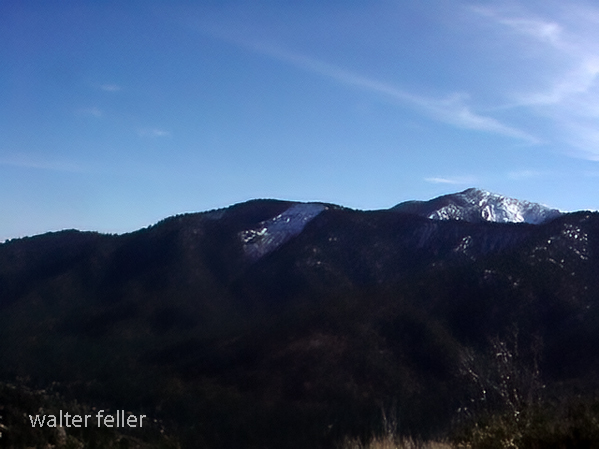
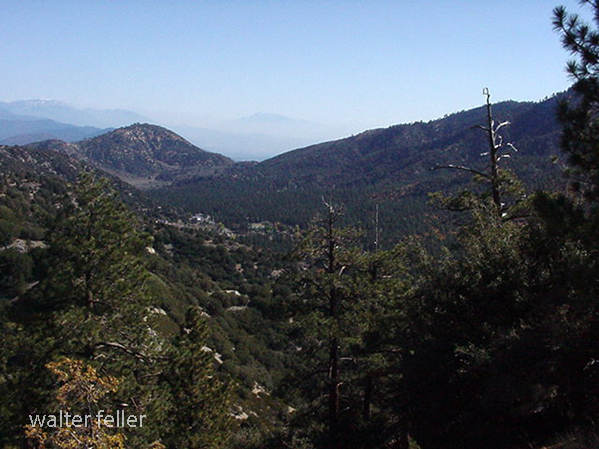
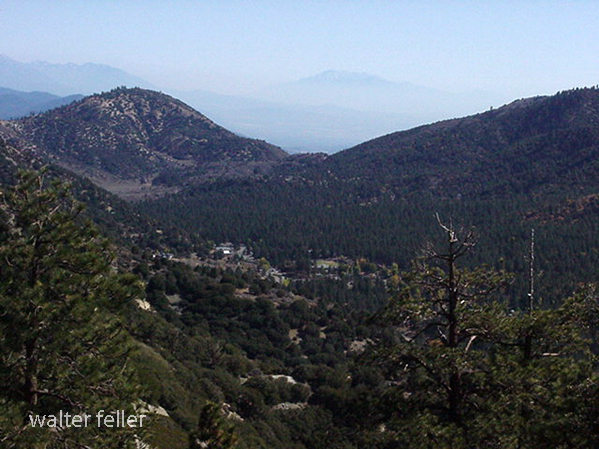
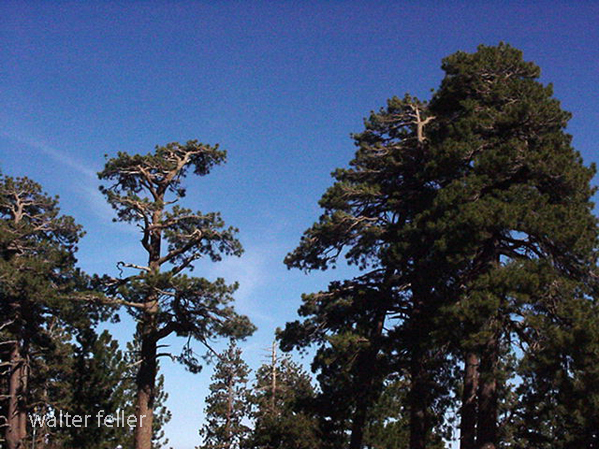
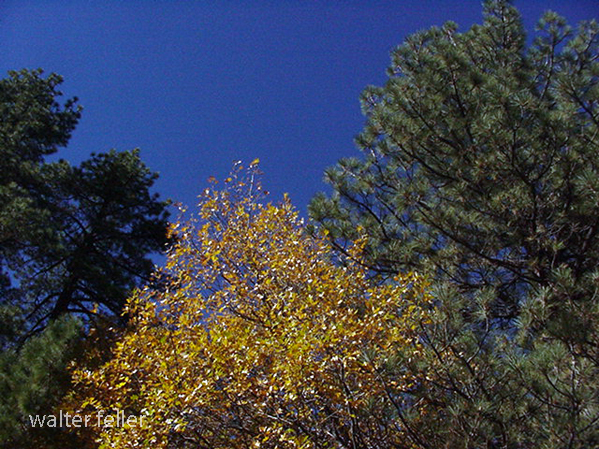
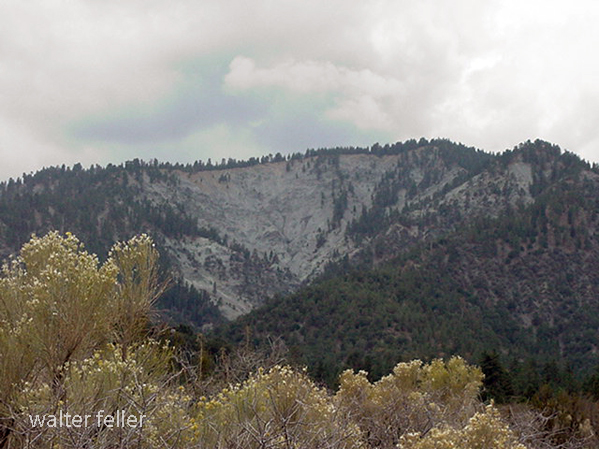
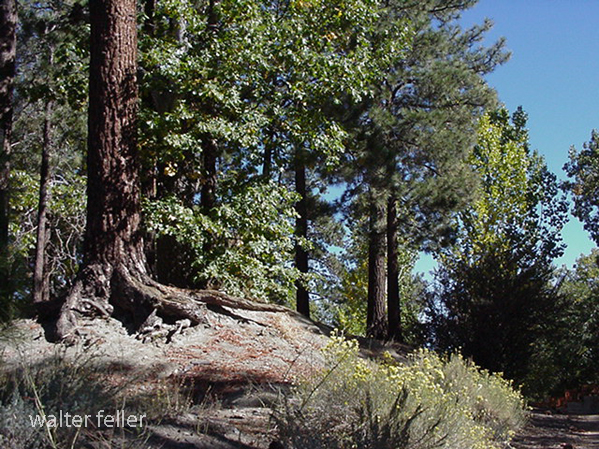
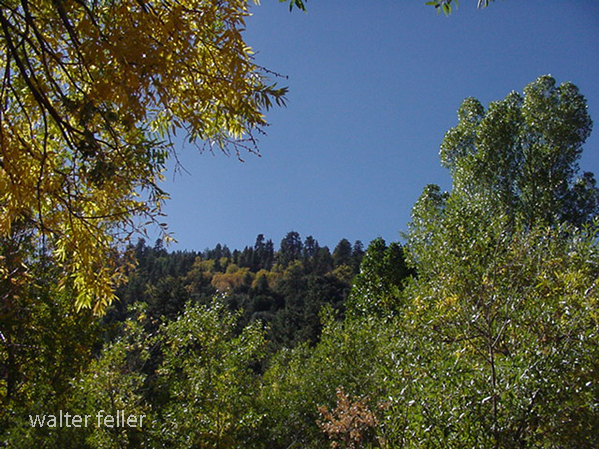
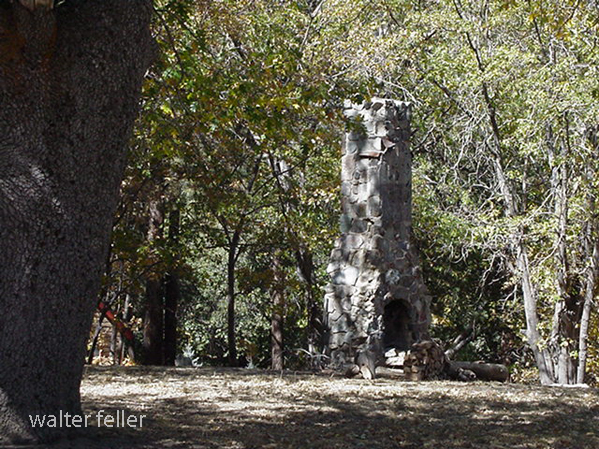
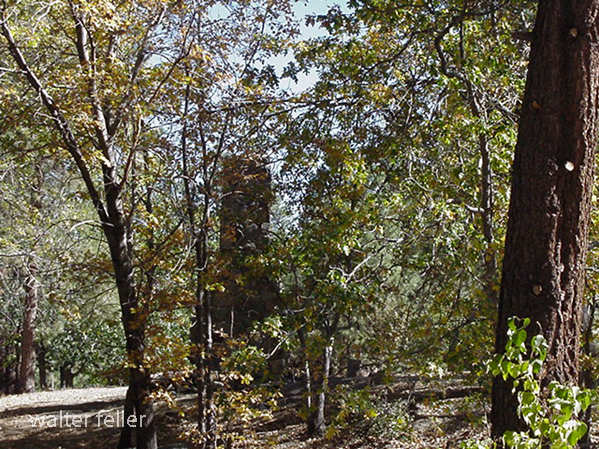
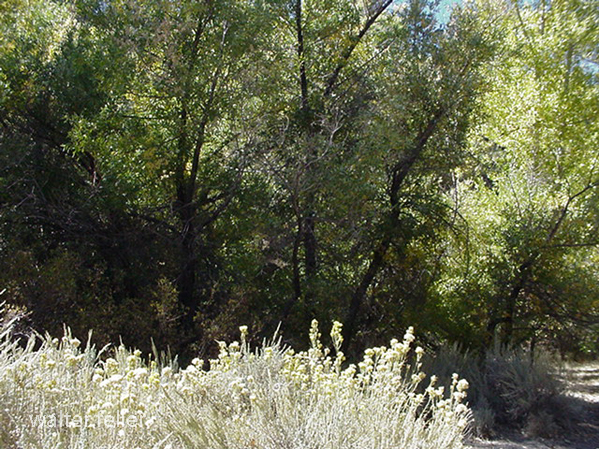
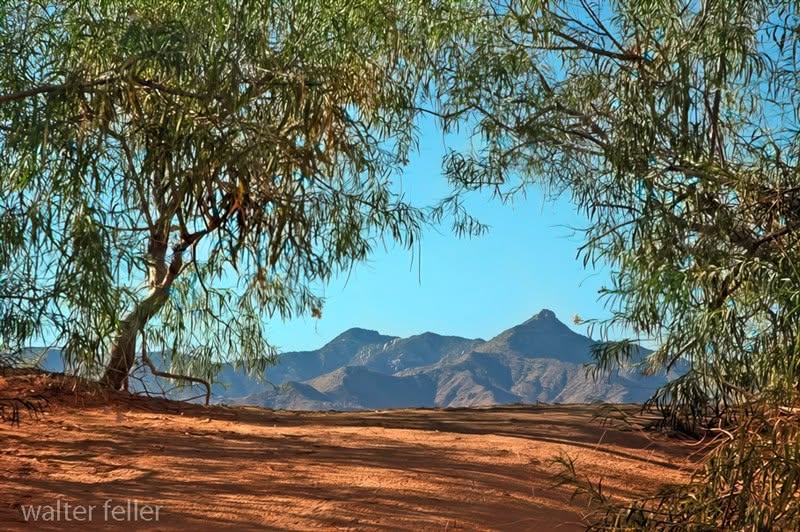
In true solitude, the land does not explain itself. The wind does not ask to be understood. The stones, brush, sky, and distance do not perform for you. They simply exist. And if you remain still enough, you begin to exist in the same plain way. No announcement. No approval. No lesson forced upon you.
Once found, solitude is easier to visit. At first, it’s distant—a place with no road. You may mistake it for loneliness, boredom, or emptiness. But after that first encounter, you recognize the path back. You know what to set aside: noise, explaining, the need to be seen, and the habit of answering others. Then solitude is no longer a strange country; it becomes a place you can return to.
With practice, in solitude, you can sit still until the restlessness passes. At first, the mind seeks noise: a task, a voice, a screen, a reason to leave. Stay past that. Solitude works once the urge to be distracted fades.
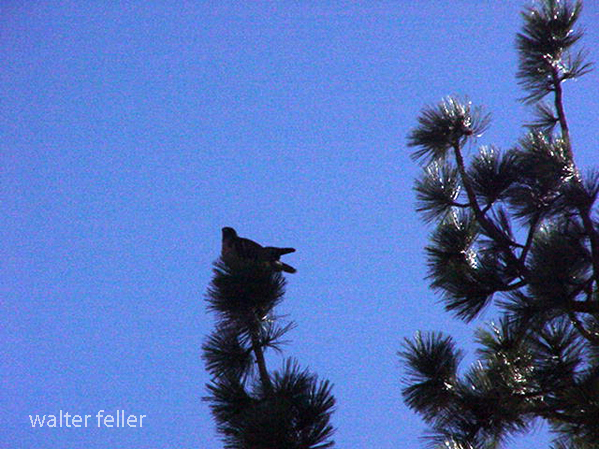
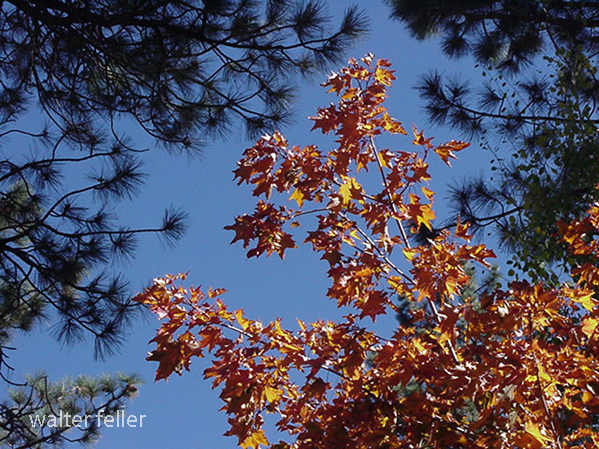
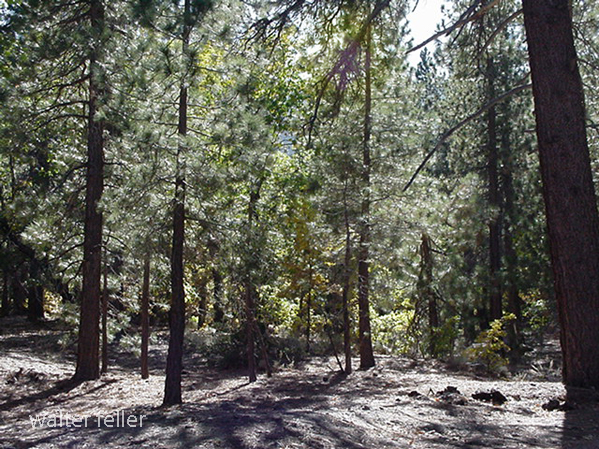
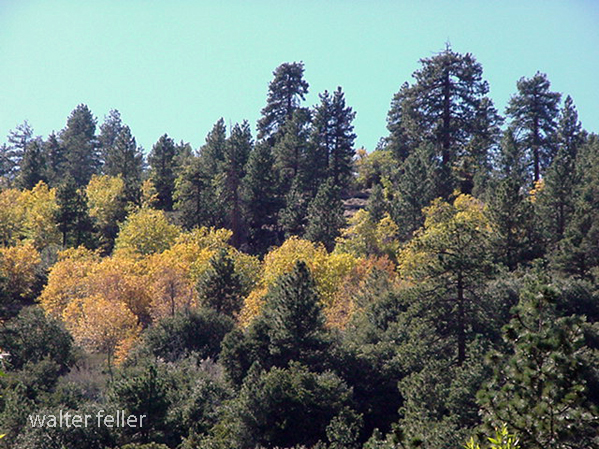
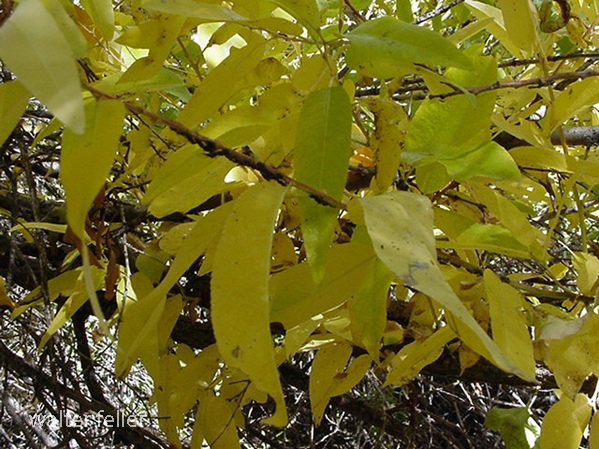
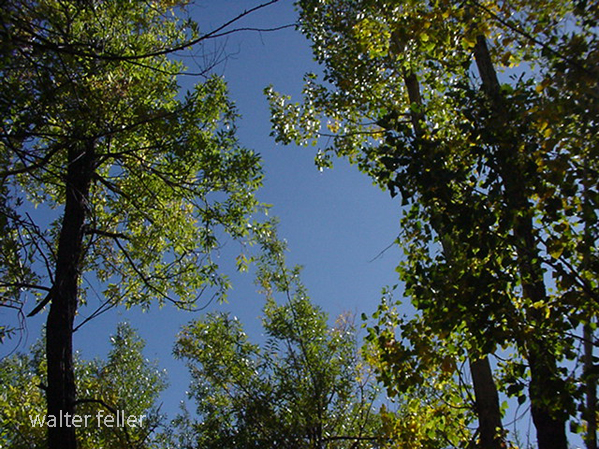
In this space, you can walk without regarding it as exercise. Notice the ground, wind, tracks, shadows, slope, distance, heat, cold, bird calls, creosote, and how light changes on the rock. Let the place be, without turning it into a lesson.
During this attention, think honestly—not dramatically, not in circles. Ask simple questions: What burdens aren’t mine? What do I defend? What do I believe with no pressure? What matters without an audience?
Afterward, write a few plain sentences. Just field notes of the mind: I noticed. I remembered. I avoided it. I felt calmer when. No need to explain.
If writing settles your thoughts, read something steady: nature writing, scripture, philosophy, desert history, a field guide, or a map. Old books help because they don’t shout; they wait.
For example, I have read books in solitude. Land of Little Rain by Mary Hunter Austin is one. As time went on, I made photographs to illustrate her chapters. That kind of reading does not finish with the last page. It carries you back into the land itself. The words teach you how to look, and the camera becomes a quiet way of answering what the book first taught you to notice.
Study one plant, rock, wash, bird, or old road cut. Solitude pairs well with attention; the deeper you look at one thing, the less you crave many things.
Pray, meditate, or be silent. The name matters less than the act. The point is to stop performing and listen inwardly.
Above all, stop explaining yourself. That is solitude’s rarest gift: no defense, no audience, no argument. Quiet enough to be real again.
That is the value of being alone: it does not flatter or define you. It gives you space to find out.