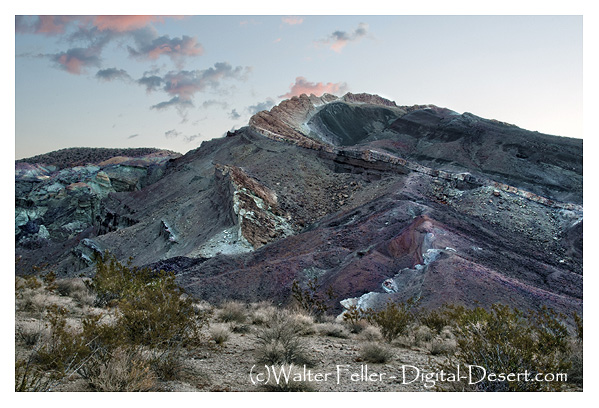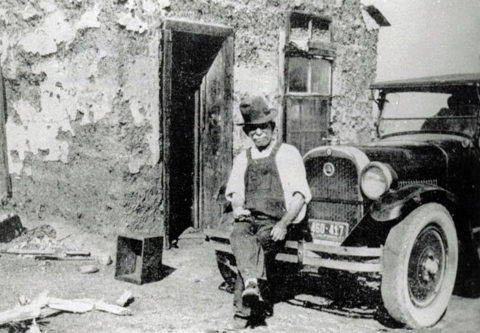
Geology of the Eastern Sierra Nevada

Introduction:

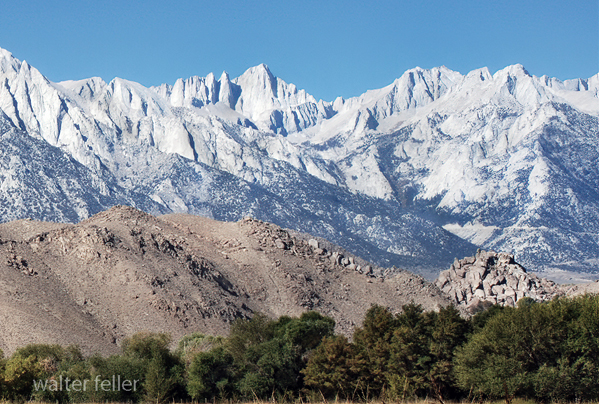
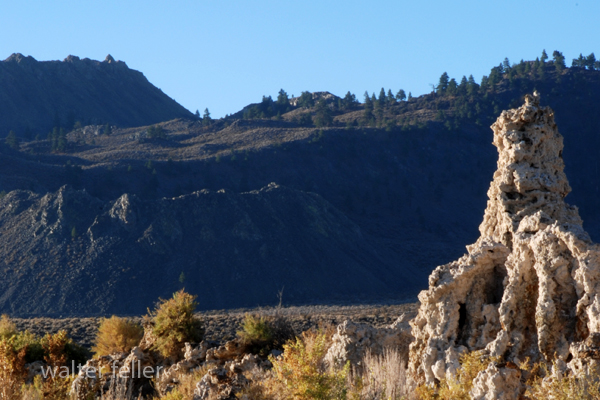
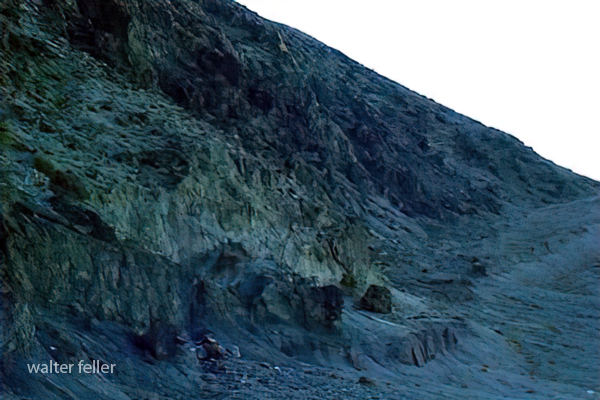
The Eastern Sierra Nevada boasts a rich geological history that spans millions of years. This region offers a captivating glimpse into Earth’s past, from towering granite peaks to ancient volcanic formations. The fascinating geology of the Eastern Sierra Nevada and its unique features make it a geologist’s paradise.

Formation of the Sierra Nevada Range:

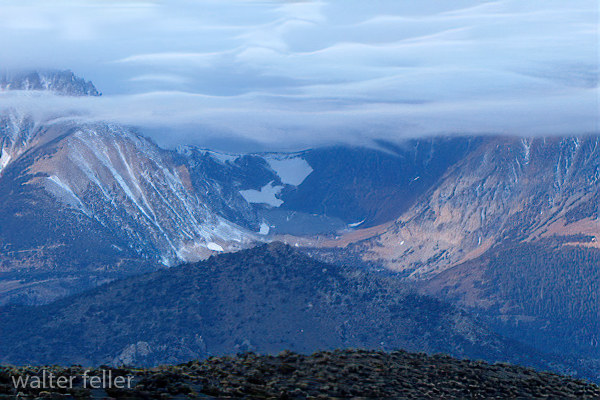
The Sierra Nevada Range, including the Eastern Sierra Nevada, began forming around 100 million years ago during the Mesozoic Era. It was the result of tectonic plate movements, specifically the subduction of the Pacific Plate beneath the North American Plate. This process resulted in the uplifting and folding of the Earth’s crust, giving rise to the majestic mountain range we see today.

Granite and Glaciers:

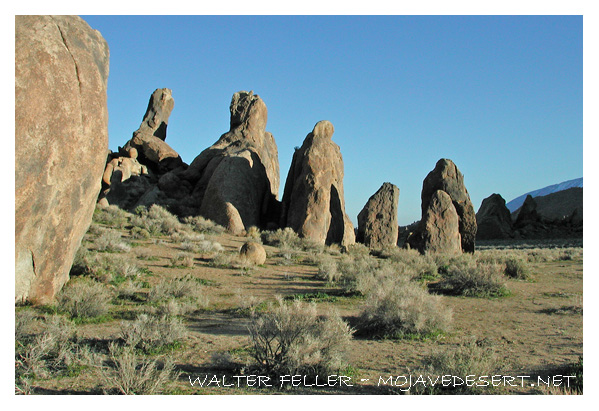
One of the defining features of the Eastern Sierra Nevada is its abundance of granite. The region is home to the largest exposed granite batholith in the world, aptly named the Sierra Nevada Batholith. This enormous body of intrusive igneous rock formed deep beneath the Earth’s surface and was gradually exposed through erosion over millions of years.

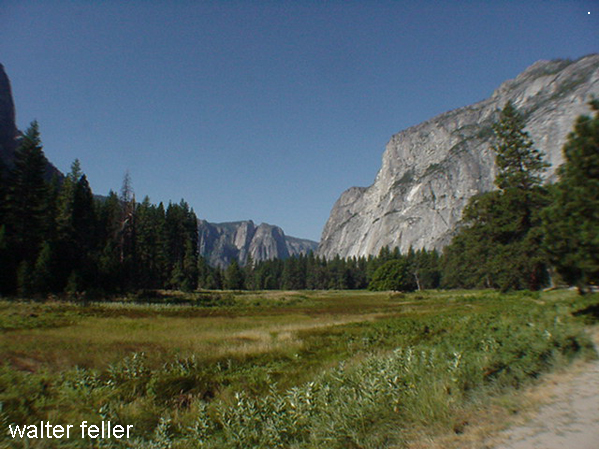
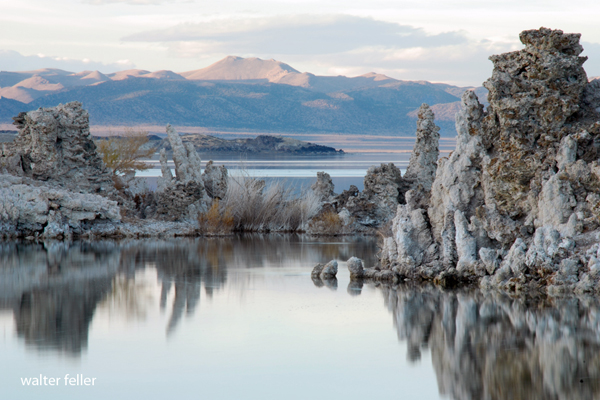
During the last Ice Age, glaciers sculpted the Eastern Sierra Nevada, leaving behind stunning landscapes. Glacial activity carved out U-shaped valleys, polished granite surfaces and created glacial lakes such as Mono Lake and Convict Lake. These remnants of the Ice Age are a testament to the dynamic forces that shaped the region.

Volcanic Activity:

Eastern Sierra Nevada is also home to a number of volcanic features. The Long Valley Caldera, located just east of the Sierra Nevada Range, is a prime example of volcanic activity in the region. This massive volcanic depression formed around 760,000 years ago during a cataclysmic eruption that released an estimated 600 cubic kilometers of magma.

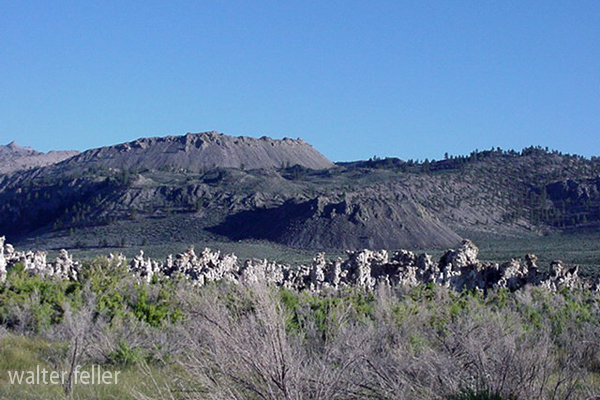
Within the caldera lies the famous Mono-Inyo Craters, a chain of volcanic domes and craters. These volcanic formations offer a glimpse into the region’s volcanic history and provide evidence of past eruptions that have shaped the landscape.

Mineral Deposits:

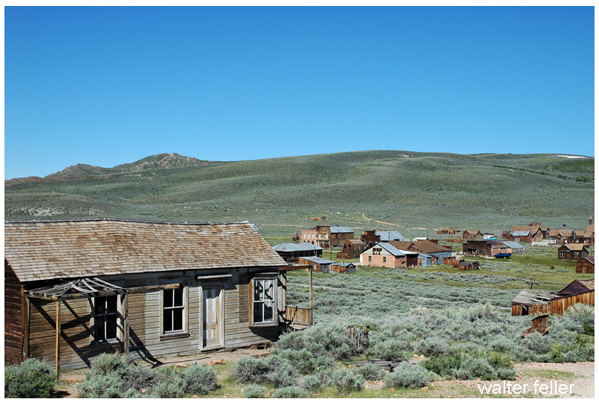
The Eastern Sierra Nevada is known for its rich mineral deposits. Gold, silver, and copper have been mined in the region since the mid-1800s, attracting prospectors during the California Gold Rush. The Bodie State Historic Park, a well-preserved ghost town, stands as a reminder of the mining boom that once thrived in the area.

Conclusion:

Exploring the geology of Eastern Sierra Nevada is a journey through time, where the forces of nature have sculpted a remarkable landscape. This region offers a glimpse into the Earth’s fascinating geological history, from the towering granite peaks to the remnants of ancient volcanoes. Whether you are a geology enthusiast or simply appreciate the beauty of nature, Eastern Sierra Nevada is a destination that will leave you in awe of the Earth’s geological wonders.

(c) Walter Feller

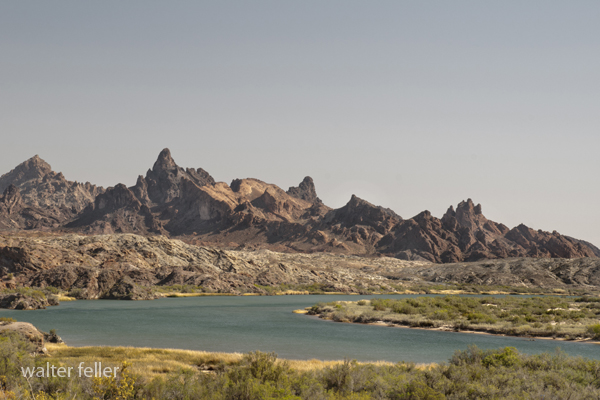
Geology of the Lower Colorado River

Introduction:

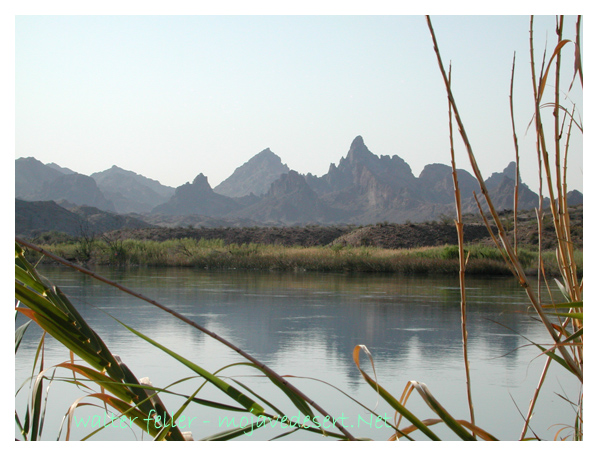
The Lower Colorado River is a mesmerizing natural wonder that winds through the Southwestern United States, attracting millions of visitors annually. Beyond its scenic beauty and recreational opportunities, the geology of the Lower Colorado River offers a fascinating glimpse into the Earth’s history.

Formation of the Lower Colorado River:

The formation of the Lower Colorado River can be traced back millions of years. It all began with the uplift of the Colorado Plateau, a vast region spanning parts of Arizona, Utah, Colorado, and New Mexico. Over time, the relentless forces of erosion, primarily by the Colorado River, carved through sedimentary rock layers, exposing unique geological formations.

Canyons and Gorges:

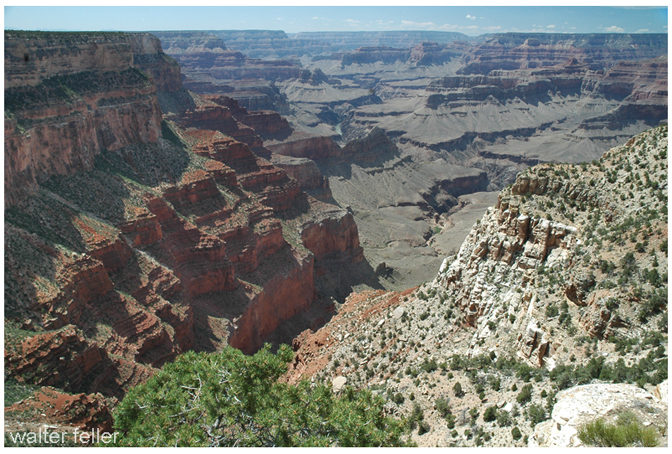
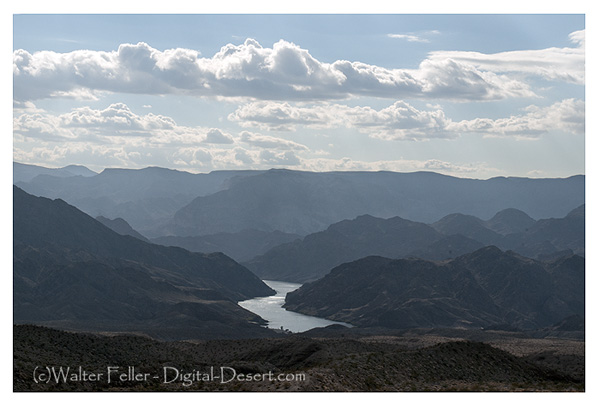
One of the most striking features along the Lower Colorado River is the presence of deep canyons and gorges. The river has carved its way through layers of sedimentary rocks, primarily sandstones, and shales, creating stunning landscapes such as the Grand Canyon and the Black Canyon of the Colorado. These canyons offer a glimpse into the Earth’s history, with each layer representing a different period of deposition.

Rock Formations:

The Lower Colorado River area is renowned for its diverse rock formations. The region showcases various sedimentary rocks, including sandstone, limestone, and shale. These rocks provide clues about ancient environments and the processes that shaped them. Fossilized remains of plants and animals can also be found within these rock formations, offering insights into past ecosystems.

Geological Time Scale:

To truly appreciate the geology of the Lower Colorado River, it is essential to understand the concept of geological time. The river has been actively shaping the landscape for millions of years, leaving behind a rich tapestry of rocks and formations. By studying the various layers, geologists can piece together the history of the region, including ancient climates, sea levels, and tectonic events.

Conclusion:

The geology of the Lower Colorado River is a captivating subject that offers a glimpse into the Earth’s past. From towering canyons to diverse rock formations, this region tells a story of millions of years of geological processes. Exploring the Lower Colorado River is a visual delight and an opportunity to unravel the mysteries of our planet’s ancient history. So, the next time you find yourself near the Lower Colorado River, take a moment to appreciate the remarkable geology that surrounds you.

(c) Walter Feller

Geology of Death Valley

Introduction:

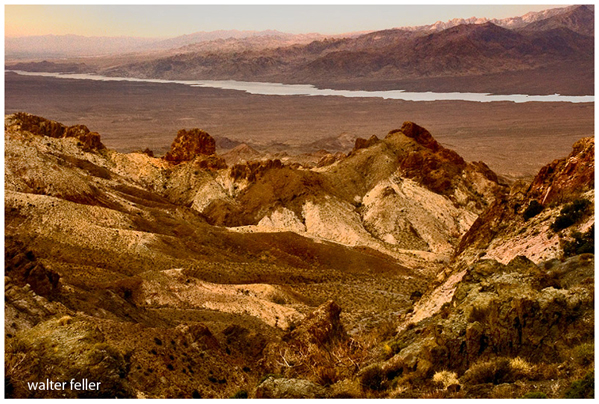
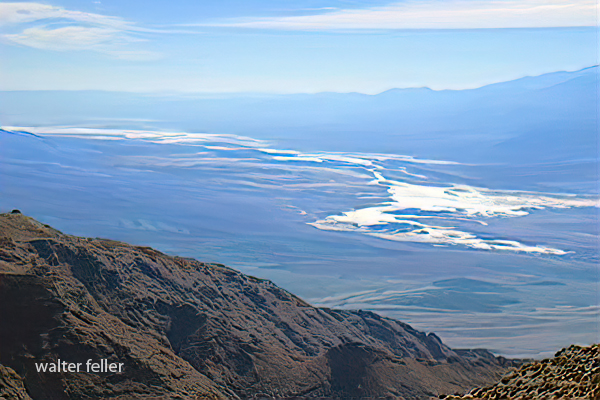
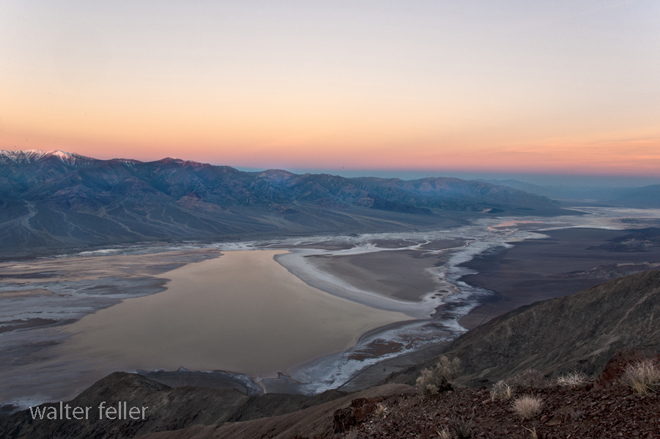
View of Death Valley from Chloride Cliff

Death Valley National Park is known for its extreme temperatures, vast desert landscapes, and unique geological features. Located in Eastern California, this national park is a treasure trove for geology enthusiasts.

Formation and Tectonic Activity:

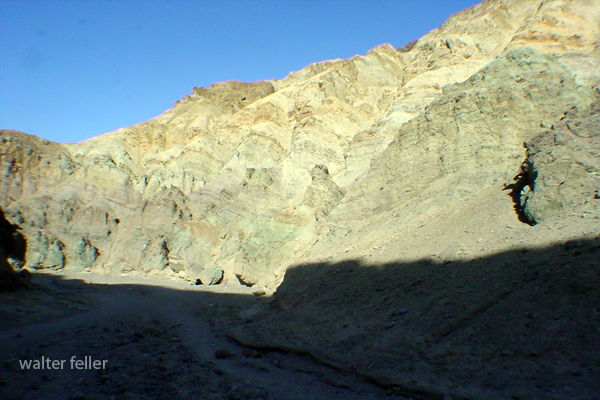
Death Valley’s geological history dates back millions of years. The valley is part of the larger Basin and Range Province, characterized by its numerous mountain ranges and elongated valleys. The formation of Death Valley can be attributed to the complex interplay of tectonic forces.

Faults and Uplift:

One of the key geological features of Death Valley is the presence of faults. Numerous faults, including the prominent Death Valley Fault Zone, crisscross the region. These faults have played a significant role in shaping the landscape, creating dramatic uplifts and sinkholes.

Playa and Salt Flats:

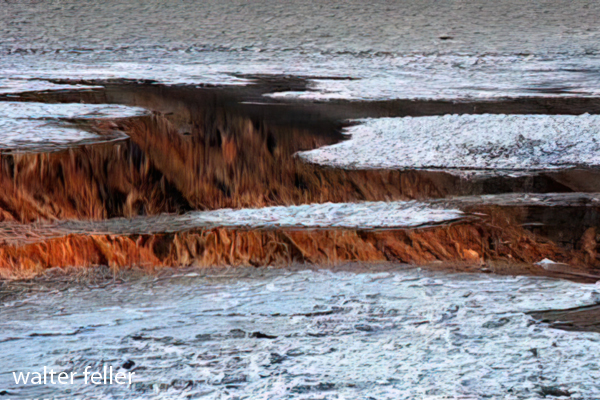
Death Valley is home to several unique geological features, including expansive salt flats and playa. The salt flats, such as the mesmerizing Badwater Basin, are formed when water dissolves minerals from the mountains and then evaporates, leaving behind a thick crust of salt. These salt flats provide a surreal and otherworldly experience for visitors.

Mesquite Flat Sand Dunes:

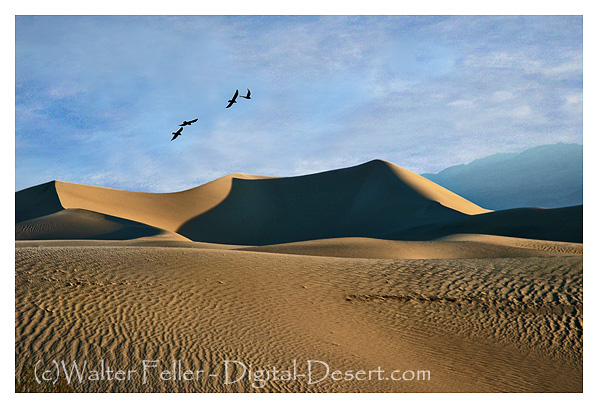
The Mesquite Flat Sand Dunes offer a striking contrast to the arid landscape of Death Valley. These dunes are formed by the accumulation of wind-blown sand over thousands of years. The shifting dunes create stunning desert scenery and are a popular destination for photographers and nature enthusiasts.

Geological Time and Fossils:

Death Valley is a geological time capsule, preserving a rich fossil record that spans millions of years. Fossils of ancient marine life, plants, and animals have been discovered, providing invaluable insights into the region’s past. These fossils tell the story of a time when Death Valley was submerged under a vast inland sea.

Volcanic Features:

Volcanic activity has also left its mark on Death Valley’s geology. The park is home to several cinder cones, lava flows, and volcanic craters. Ubehebe Crater, a massive volcanic crater, is a testament to the violent eruptions that occurred in the region thousands of years ago.

Conclusion:

Death Valley National Park is a geologist’s paradise, offering a glimpse into the dynamic forces that have shaped our planet. From the towering mountain ranges to the vast salt flats and mesmerizing sand dunes, the geology of Death Valley is a testament to nature’s immense power and beauty. Exploring this unique landscape is a humbling experience that allows us to appreciate the Earth’s geological history and its ongoing processes of change and transformation.

(c)Walter Feller

Mojave Desert Geology

Introduction:

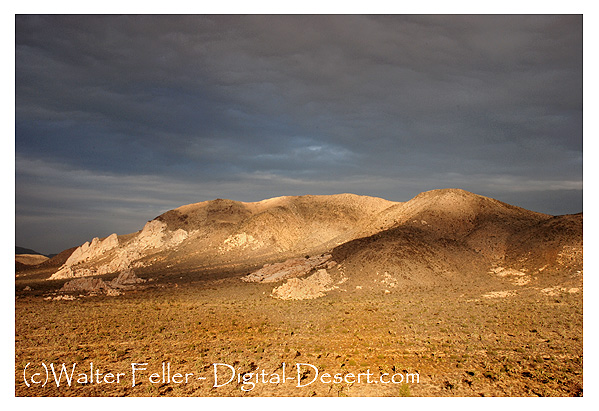
Ryan Mountain, Joshua Tree National Park

The Mojave Desert, located in the southwestern United States, is known for its vast arid landscape and unique geological formations. Let us now look at Mojave Desert geology. We will explore its history, distinctive landforms, and the forces that have shaped this remarkable desert ecosystem.

Ancient History:

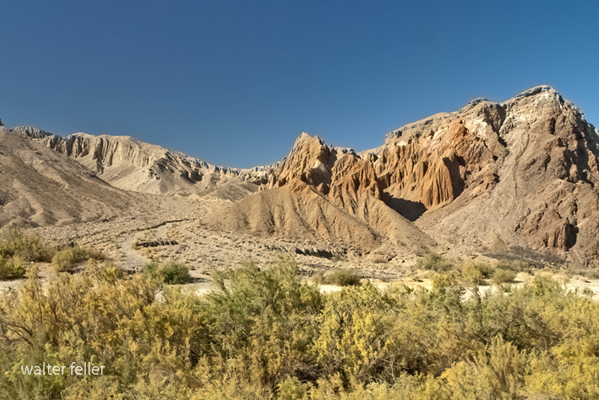
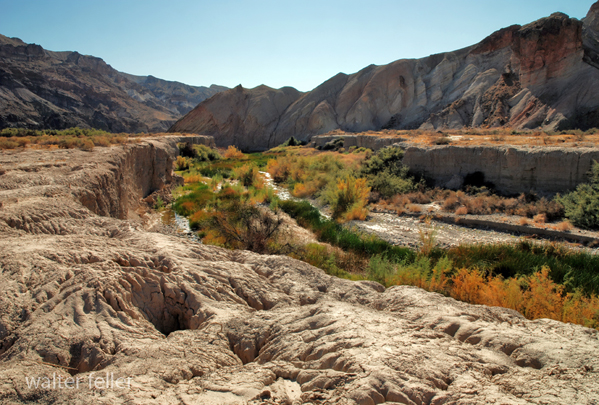
Afton Canyon, Mojave River

The geological history of the Mojave Desert dates back millions of years. It was formed through a complex interplay of tectonic forces, erosion, and climatic changes. The Mojave Desert is part of the Basin and Range Province, characterized by alternating mountain ranges and valleys. Over time, these forces have sculpted the desert’s diverse topography, creating a mesmerizing tapestry of geological wonders.

Distinctive Landforms:

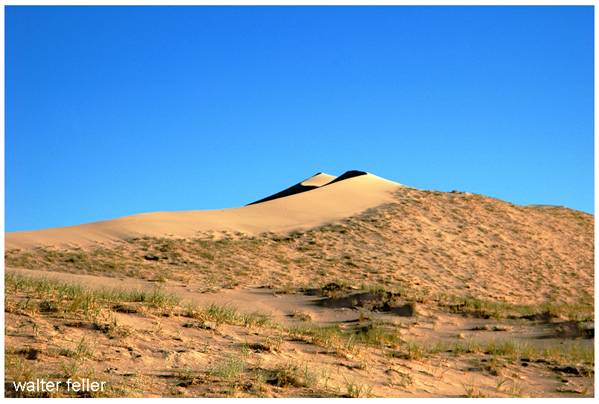
Kelso Dunes, Mojave National Preserve

The Mojave Desert is home to many distinctive landforms that capture geologists’ and nature enthusiasts’ imaginations. One such feature is the Mojave River, which runs through the heart of the desert, shaping its landscape and supporting its own ecosystem. Another notable landform is the Kelso Dunes, towering sand dunes that shift and change with the wind, creating an ever-changing desert scene.

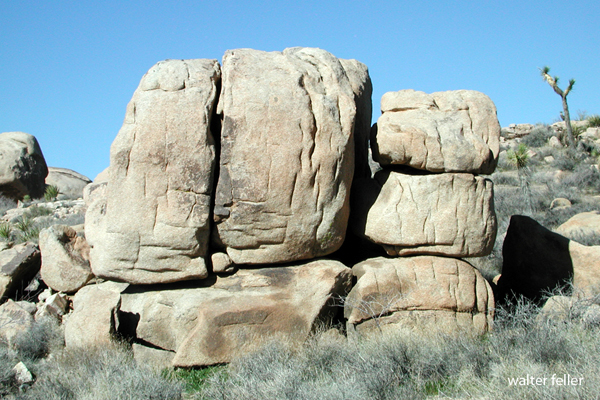
Example of faulting and jointing in granite. Geology Tour Road #6, Joshua Tree National Park
Geology Tour Road stop #6, Joshua Tree National Park

Joshua Tree National Park, located within the Mojave Desert, is renowned for its iconic Joshua trees, which dot the barren landscape. These trees are adapted to the harsh desert environment and symbolize resilience in the face of adversity. The park also boasts mesmerizing rock formations, such as Hidden Valley and Jumbo Rocks, which showcase the desert’s ancient geological past.

Forces of Shaping:

Rainbow Basin photo
Rainbow Basin, Barstow, Ca.

Several key forces have shaped the Mojave Desert’s geological landscape. The San Andreas Fault, a major tectonic boundary, runs through the region, causing periodic earthquakes and contributing to the uplift of mountain ranges. Erosion, primarily driven by wind and water, has significantly sculpted the desert’s landforms, creating deep canyons, rugged cliffs, and intricate rock formations.

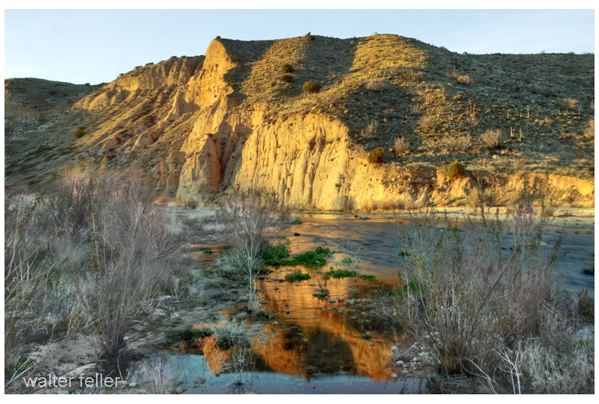
Amargosa River
Amargosa River

The climate also shapes the Mojave Desert’s geology. The region experiences extreme temperature fluctuations, with scorching hot summers and chilly winters. These temperature extremes and sporadic rainfall contribute to rock weathering and erosion and the formation of unique geological features.

Conclusion:

West Fork, Mojave River

The Mojave Desert stands as a testament to the immense power of geological forces and the intricate beauty they can create. From its ancient history to its distinctive landforms, the desert offers a glimpse into the Earth’s ever-evolving landscape. As we explore the Mojave Desert’s geology, we gain a deeper appreciation for the natural wonders that surround us and the forces that have shaped them over millions of years.

The Captivity of Olive Oatman

A Harrowing Tale of Survival and Resilience

Introduction

The story of Olive Oatman, a young girl who endured unimaginable hardships during her captivity among Native American tribes in the mid-19th century, has become an emblem of resilience and survival. This blog post delves into the gripping account of Olive Oatman’s captivity, shedding light on the challenges she faced and the strength she exhibited throughout her ordeal.

The Oatman Family’s Journey

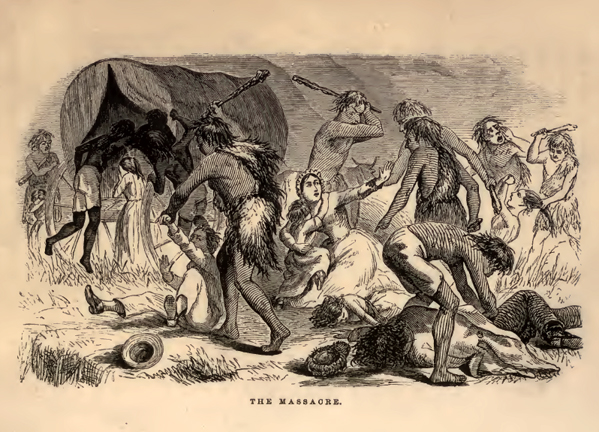
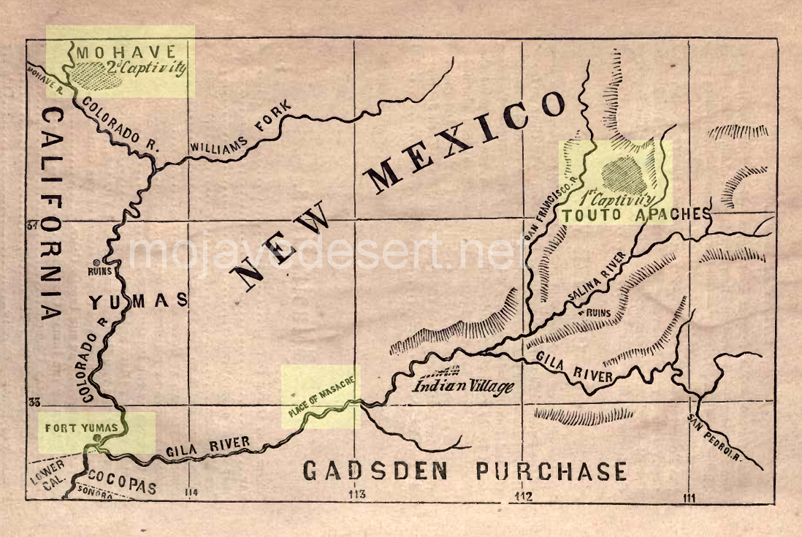
In 1850, the Oatman family embarked on a treacherous journey from Illinois to California, seeking a better life in the West. Unfortunately, their dreams were shattered when they encountered a Native American tribe, the Yavapai, along the Gila River in present-day Arizona. The tribe, driven by desperation and a history of violence against settlers, attacked the Oatman family. All but Olive and Mary Ann were brutally killed. Brother Lorenzo also survived but was left for dead listening to his mothers cries as she held her infant in the rocks where they were thrown.
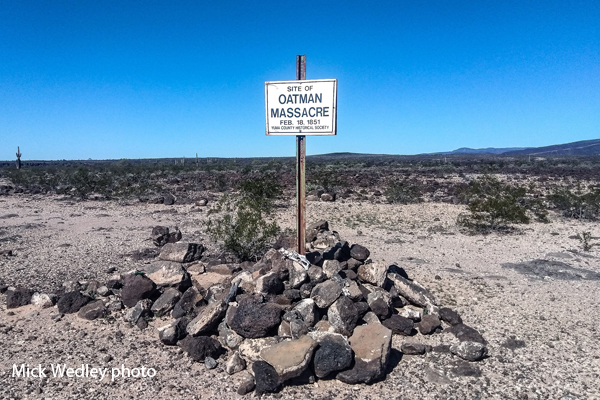
Oatman family massacre site – Mick Wedley photo

Captivity Among the Yavapai

The Yavapai tribe took Olive, and her younger sister, Mary Ann, captive, subjecting them to constant fear and uncertainty. A year after their capture, they were traded to the Mohave tribe.

Life Among the Mohave

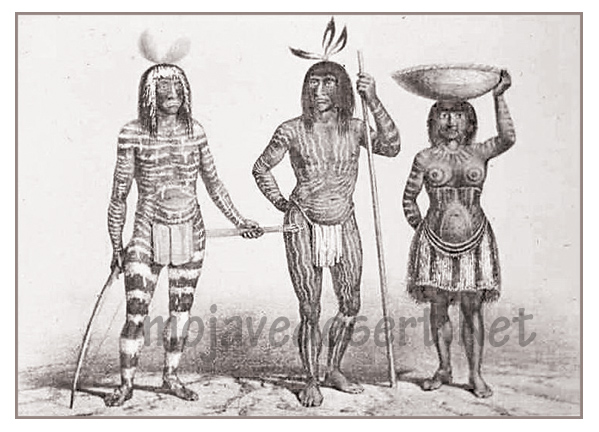
Mohave Indians

Under the care of the Mohave tribe, Olive and Mary Ann were gradually integrated into their new community. The Mohave people treated them with relative kindness, adopting them as members of their tribe and providing them with food and shelter. Olive even received facial tattoos, which were traditional among the Mohave, symbolizing her assimilation into their culture.
Rescue and Reintegration

After five years of captivity, Olive’s story took a dramatic turn when her younger sister, Mary Ann, tragically passed away due to starvation. Determined to return to her white heritage, Olive caught the attention of American authorities, urged by Lorenzo, and eventually negotiated her release. Upon her return to white society, Olive faced challenges in readjusting to her former life. Her facial tattoos, a constant reminder of her captivity, presented a unique hurdle in her reintegration.


Legacy and Impact

The story of Olive Oatman’s captivity quickly captivated the public’s imagination, symbolizing resilience and endurance in the face of adversity. Her tale was widely publicized, and she became somewhat of a celebrity during her lifetime. Olive’s memoir, “Captivity of the Oatman Girls,” published in 1857, further immortalized her experiences and shed light on the often misunderstood dynamics between Native American tribes and settlers during that era.

Conclusion

The captivity of Olive Oatman stands as a testament to the indomitable spirit of human will. Her story serves as a reminder of the strength and resilience of the human spirit in the face of unimaginable hardship. Olive Oatman’s legacy endures, inspiring generations to overcome adversity and find courage even in the darkest of times.

(c)Walter Feller

The Captivity of the Oatman Girls

Olive Oatman

Hula Ville

Route 66 – Victorville, CA

After retiring as a ‘carny,’ or carnival worker at the Venice Pier and Santa Monica Pier, Miles Mahan (1896-1997) began building Hula Ville in 1955.

Wine- and beer-bottle tree sculptures adorned Joshua trees and wooden posts. Desert sandblasted wood signs held poetry and prose; dolls, award statues, and other found objects were displayed outside. A homemade miniature golf course bordered by half-buried bottles was included in his residence, as well as a pickup truck camper and a pickup truck camper without a truck. There was no charge, and donations were accepted.

Mahan also erected a large dancing hula girl sign at the entrance, a business discard he rescued and repurposed. The crude hand-lettered sign beneath her read: “People travel through the state, how little will they know her fate, for the traveler who’ll ever be the wiser, the Supervisors saved her life.” Busses traveling to Las Vegas from Los Angeles would stop, and Miles would entertain them by dancing on his little wooden stage, and they would leave tips. Even in his eighties, he was still able to dance. As much as he enjoyed guessing people’s weights at carnivals, he enjoyed watching Hesperia grow into a city. His poetry and books mention the many people he met along the way, with whom he loved talking about real estate. Whiskey Pete and Scotty from Death Valley were his friends, and Miles was quite a storyteller. These were all true stories. He appeared on the Johnny Carson Show as Johnny invited him back due to his outspoken personality 2 or 3 times. They would send a limo to pick him up and return him.

In 1995 Miles Mahan moved to a convalescent home and died on April 15, 1997. In September 1997, Hula Ville was demolished.

Jackrabbit Homesteads

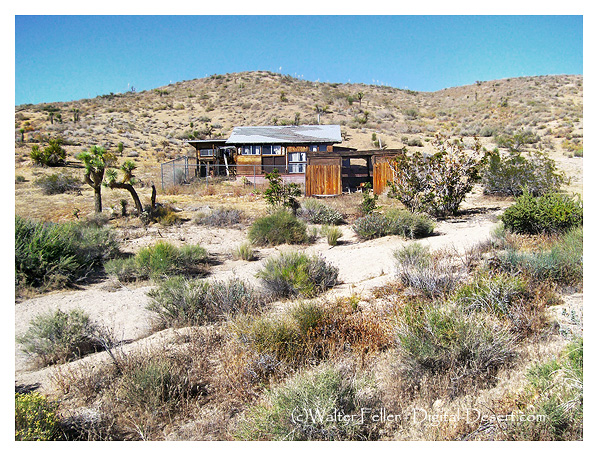
Jackrabbit Homesteads, a unique phenomenon in the American Southwest, hold a significant place in the region’s history and culture. These small, rustic cabins were built on public lands in the mid-20th century. They offered settlers the opportunity to claim a piece of the desert and forge their own paths. We will explore the intriguing story behind these homesteads and their enduring legacy.

The establishment of Jackrabbit Homesteads dates back to the passage of the Small Tract Act of 1938, which aimed to encourage settlement on federal lands. Under this act, individuals could claim up to five acres of land and build a dwelling upon it. Many of these homesteads were constructed between the 1950s and 1970s, attracting individuals seeking a simpler, off-grid lifestyle or a weekend getaway from the hustle and bustle of city life.

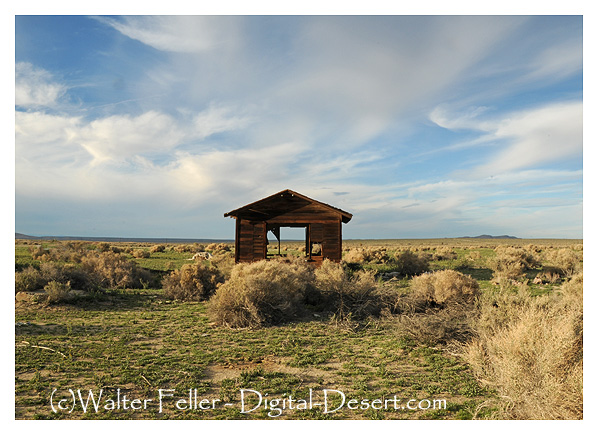
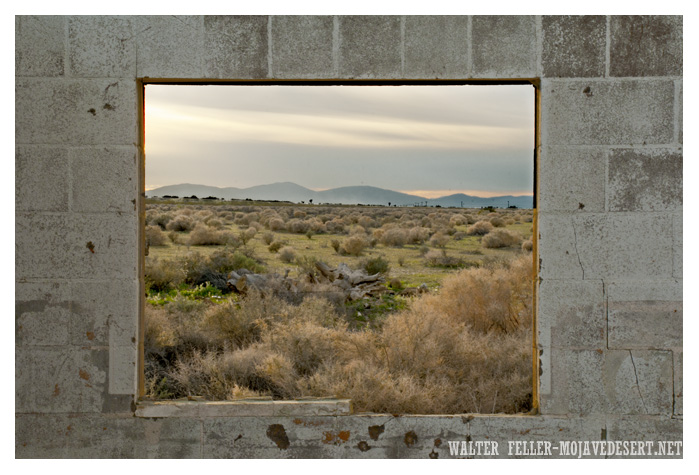
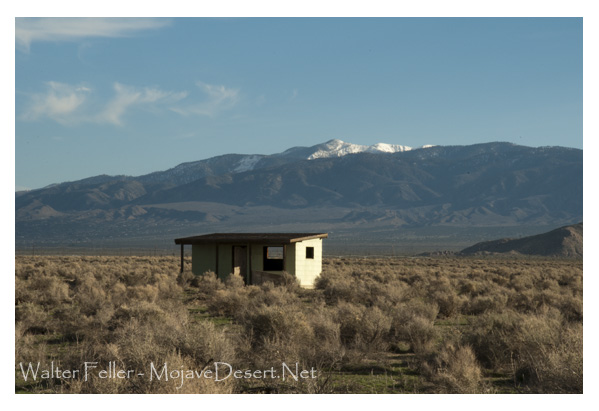
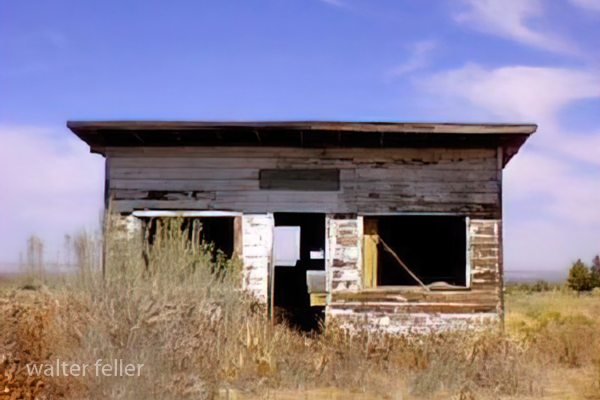
Jackrabbit Homesteads were typically modest, one-room cabins constructed from inexpensive materials such as concrete blocks or plywood. These structures were often sparsely furnished, reflecting the self-sufficient nature of the homesteaders who built them. Although lacking in modern amenities, these homesteads provided a sense of freedom and a connection to the surrounding natural landscape.

Living on a Jackrabbit Homestead required resourcefulness and willingness to adapt to harsh desert conditions. Homesteaders relied on rainwater catchment systems and solar power; many grew their own food or raised livestock. The simplicity of this lifestyle allowed individuals to reconnect with nature and find solace in the vast desert.

While Jackrabbit Homesteads have passed, their legacy lives on. Many homesteads have been abandoned or repurposed today as reminders of a bygone era. Some have even been transformed into art installations or preserved as historical landmarks. The National Park Service has recognized the cultural significance of Jackrabbit Homesteads and is working to preserve and document these unique structures.

For those intrigued by the allure of Jackrabbit Homesteads, there are opportunities to explore and experience these historic sites. For instance, Joshua Tree National Park in California is home to several preserved homesteads that offer a glimpse into the past. Visitors can wander through these time capsules, imagining the lives of the individuals who once called these cabins home.

Jackrabbit Homesteads are a testament to the human spirit of resilience and the desire for independence. Scattered across the desert landscape, these modest dwellings tell a story of determination and self-sufficiency. While the era of homesteading may have faded, the legacy of Jackrabbit Homesteads continues to captivate and inspire those who appreciate the allure of a simpler way of life.

(c) Walter Feller

Indifference of the Desert: Gateway to Eternity

The desert, a vast expanse of arid land, holds an enigmatic allure that has captivated explorers, writers, and artists for centuries. In its barrenness lies a certain indifference, an apathy that transcends the human realm. It is a world of endless silence, where life struggles to survive, and time appears to stand still. This place, looking into the indifferent nature of the desert, exploring its striking beauty, unforgiving climate, and ability to evoke a sense of insignificance in the face of its vastness.

The desert’s indifference is paradoxically intertwined with its mesmerizing beauty. Stretching as far as the eye can see, the landscape is dominated by sand dunes, rocky outcrops, and expansive plains. The desert’s neutral color palette, comprising earthy tones of beige, ochre, and rust, creates a harmonious symphony of hues. Its vastness and emptiness instill a sense of awe as if gazing upon an infinite canvas that has been left untouched by human hands.

The desert’s indifference is most apparent in its extreme climate. The desert’s temperatures fluctuate dramatically from scorching heat during the day to bone-chilling cold at night. The barrenness of the landscape exacerbates these conditions, as there are no obstacles to provide shade or shelter. Survival in such an environment requires adaptation and resilience, as even the hardiest of creatures struggle to endure the harshness of the desert’s indifference.

In the desert, time seems to lose its relevance. The shifting sands, sculpted by the wind, erase any trace of human presence, leaving behind a blank canvas for nature to paint anew. The desert’s indifference to the passage of time can be both humbling and disorienting. It serves as a reminder of the transience of human existence, as the footprints we leave behind are quickly swallowed by the relentless sands, making us feel insignificant in the face of eternity.

While the desert’s indifference may seem daunting, it offers valuable lessons for those who are willing to listen. It teaches us to embrace solitude and find solace in our own company. It encourages us to adapt and persevere in the face of adversity. It reminds us of the impermanence of life and the importance of cherishing the present moment. The desert’s indifference serves as a gentle yet profound reminder of our place in the grand tapestry of the universe.

The indifference of the desert is a captivating paradox. Its silent beauty, harsh climate, and timeless sands evoke a sense of insignificance in the face of its vastness. Yet, within its indifference lies wisdom and resilience. The desert beckons us to embrace solitude, adapt to change, and appreciate the fleeting nature of existence. Let us heed its call and find solace in the indifference of the desert, for within its silence lies a profound understanding of the human condition.

(c)Walter Feller

The Pessimist’s Perspective on the Victor Valley

Introduction:

The Victor Valley, located in Southern California, is often hailed as a vibrant and promising region. Its picturesque landscapes, growing economy, and close proximity to major cities make it an attractive destination for many. However, in this blog post, we will explore a different viewpoint – that of a pessimist. By examining the potential drawbacks and challenges faced by the region, we aim to offer a contrasting perspective on the Victor Valley.

1. Economic Challenges:

Despite its apparent economic growth, the Victor Valley faces several challenges that a pessimist would highlight. The region heavily relies on a few industries, such as agriculture and tourism, which leaves it vulnerable to fluctuations in these sectors. Furthermore, the lack of diversification in the job market can lead to higher unemployment rates during economic downturns, leaving many residents struggling to make ends meet.

2. Infrastructure and Public Services:

From a pessimist’s viewpoint, the Victor Valley’s infrastructure and public services are not without their shortcomings. The area’s rapid population growth has strained the existing road networks, leading to congestion and longer commuting times. Additionally, public transportation options are limited, making it difficult for residents without private vehicles to navigate the region. Moreover, the availability and quality of essential services, such as healthcare and education, may not meet the demands of the growing population.

3. Environmental Concerns:

The pessimist’s perspective also sheds light on the environmental challenges faced by the Victor Valley. As the region continues to develop, it risks encroaching upon natural habitats and disrupting local ecosystems. The demand for water, in particular, poses a significant concern, as the Victor Valley is located in a semi-arid region with limited water resources. Excessive groundwater extraction and inadequate water management practices could have long-term consequences for the region’s sustainability.

4. Limited Cultural and Recreational Options:

Contrary to the popular perception of the Victor Valley as a vibrant cultural hub, a pessimist might argue that the region lacks diverse cultural and recreational opportunities. The area’s limited investment in arts, entertainment, and recreational facilities may leave residents with fewer options for leisure and personal growth. As a result, the Victor Valley may struggle to attract and retain young professionals and families seeking a well-rounded lifestyle.

Conclusion:

While the Victor Valley undoubtedly offers many benefits and opportunities, it is essential to consider the pessimist’s viewpoint to gain a well-rounded understanding of the region. By acknowledging the economic challenges, infrastructure limitations, environmental concerns, and cultural and recreational limitations, we can foster a more comprehensive dialogue about the future of the Victor Valley. It is through such discussions that we can work towards addressing these issues and ensuring a more balanced and sustainable future for the region and its residents.

Controlling Local History: The Practice of Marginalization and Banning People

Introduction:

Local history shapes community identity and collective memory. It preserves the stories, events, and heritage that shape the present. However, in some cases, the practice of controlling local history and banning people from it has raised concerns. This blog post explores the implications of such practices and their potential consequences for communities.

1. The Power Dynamics of Controlling Local History:

Controlling local history involves the selective interpretation and presentation of historical narratives, often influenced by those in power. Controlling the narrative can emphasize certain perspectives or events while suppressing others, resulting in a skewed understanding of the past. This power dynamic can lead to the exclusion and erasure of marginalized voices and communities.

2. Banning People from Local History:

Banning individuals from participating in local history recording, sharing, or access restricts collective memory and perpetuates exclusion. This exclusion can occur for a variety of reasons, such as political dissent, social status, or cultural differences. However, by denying individuals the right to contribute to, learn from, and engage with local history, a community risks losing valuable insights and perspectives.

3. Implications for Communities:

When individuals are banned from local history, the community as a whole suffers. The diversity of experiences and perspectives is diminished, resulting in a narrow understanding of the past. This can lead to a distorted sense of identity and an inability to learn from past mistakes or appreciate the contributions of all community members. Furthermore, the practice of banning people from local history can perpetuate social divisions and hinder unity and cohesion.

4. Promoting Inclusive Local History:

To ensure a more inclusive and accurate representation of local history, it is crucial to adopt practices that encourage participation from all members of the community. This can be achieved through initiatives such as oral history projects, community-led documentation, and the establishment of inclusive historical archives. Communities can create a more comprehensive and nuanced understanding of their shared past by actively involving diverse voices.

5. The Importance of Dialogue and Understanding:

Rather than banning individuals from local history, fostering open dialogue and understanding can lead to a more inclusive and comprehensive narrative. Communities can work toward reconciliation and healing by creating spaces for conversations, sharing different perspectives, and acknowledging history’s complexities. This approach allows for a more accurate reflection of the past, embracing diversity and promoting a sense of belonging for all community members.

Conclusion:

Controlling local history and banning people from it has far-reaching consequences for communities. It perpetuates power imbalances, excludes marginalized voices, and limits collective memory. Instead of resorting to such practices. Communities should strive for inclusivity, open dialogue, and the active participation of all individuals in shaping and preserving local history. Doing so can create a more accurate, diverse, and enriching understanding of the past, ensuring a more inclusive and united future.

Walter Feller – 8/2023