Sticks & Twigs & Rats & Rabbits
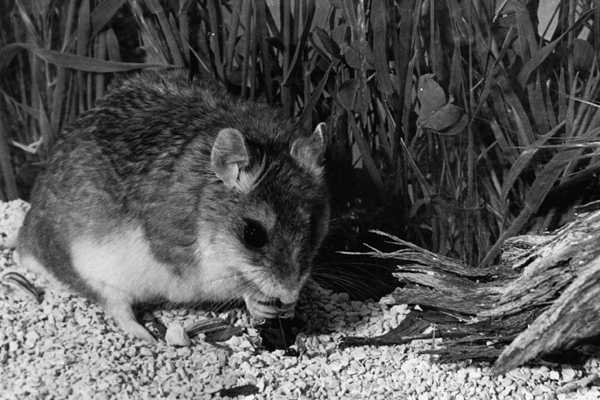
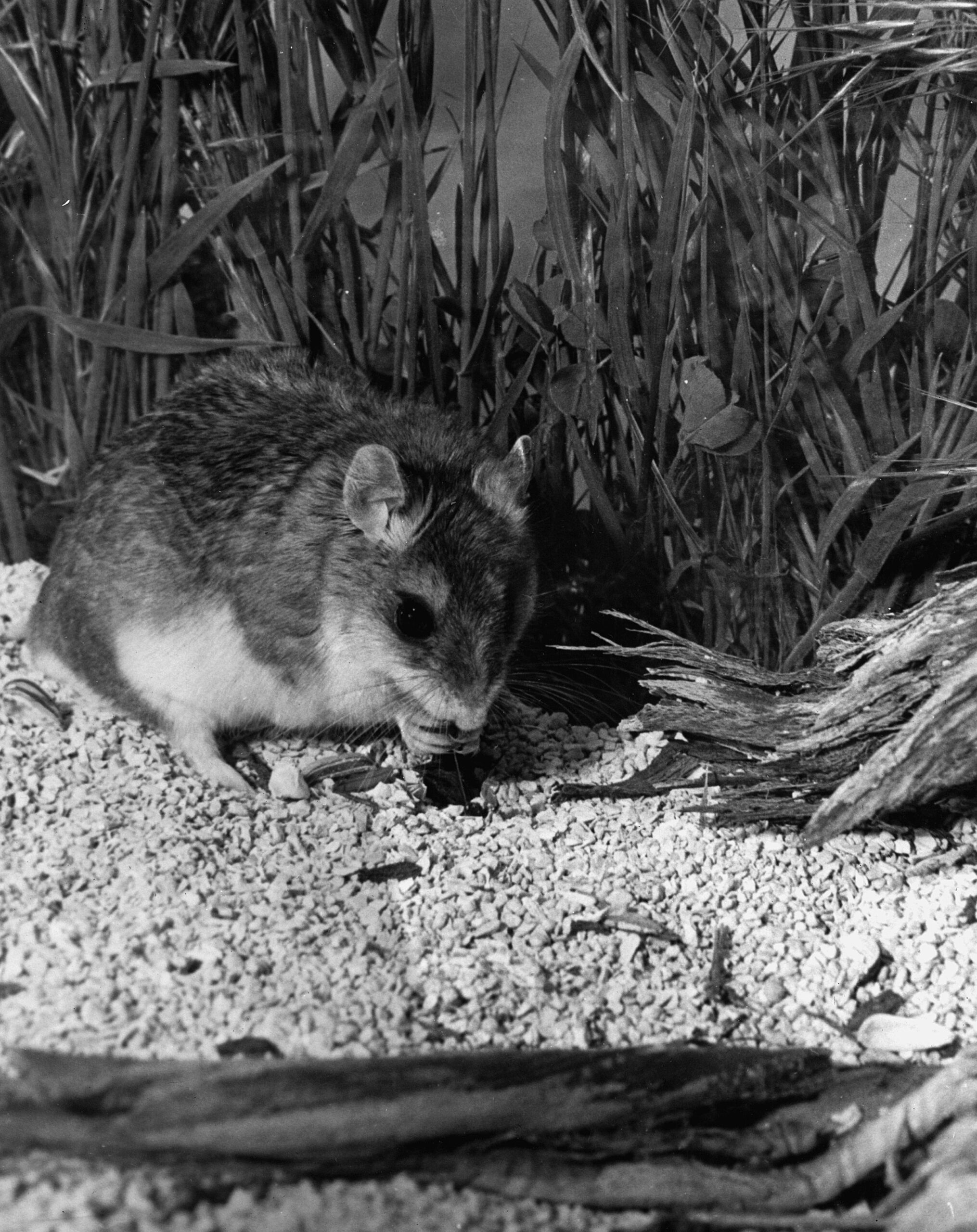
It starts with a sound that doesn’t belong in the night—a sharp, saw-edged scream that makes the desert go still for half a heartbeat. Not a bird, not a rabbit, nor even a grasshopper, not anything you’d expect from something so small. Then it comes skittering out of the shadows: the grasshopper mouse. Cute at a glance, sure—big eyes, soft fur, that tidy little face. But that’s the mask. Under it is a creature that’s too hungry, too carnivorous, and far too pleased with itself.
–
It moves like it owns the ground. Quick, confident, nose testing the smell like a bloodhound in miniature. Its hunger isn’t the mild, tidy kind. It’s the kind that looks for heat and motion. The type that makes it pause, head cocked, listening for a cricket’s scrape or a scorpion’s faint drag through sand. And when it hears it—when it knows—its whole body tightens like a spring.
Then it strikes. No dithering, no hesitation. It doesn’t “sample” prey; it takes it. A pounce, a bite, and those little jaws go to work with disturbing purpose. In the dark, it’s all business: pin, tear, chew. The desert is full of things that live on seeds and prudence, but this one lives on meat and nerve.
And that scream—lord, that scream. The grasshopper mouse tips its head back like it’s calling the night to order, and it lets loose again, a thin, triumphant howl scaled down to rodent size but carrying the attitude of something ten times larger. It doesn’t sound afraid. It sounds like a declaration. Like it’s telling every crawling thing in the sand: I’m here, and I’m hunting.
Too hungry. Too carnivorous. Too bold. It’s a pocket-sized outlaw of the desert, wearing a baby face and making a living the old-fashioned way—by taking what it wants and daring the world to argue about it.
It moves like it owns the ground. Quick, confident, nose testing the air like a bloodhound in miniature. Its hunger isn’t the mild, tidy kind. It’s the kind that looks for heat and motion. The kind that makes it pause, head cocked, listening for a cricket’s scrape or a scorpion’s faint drag through sand. And when it hears it—when it knows—its whole body tightens like a spring.
Then it strikes. No dithering, no hesitation. It doesn’t “sample” prey; it takes it. A pounce, a bite, and those little jaws go to work with unsettling purpose. In the dark, it’s all business: pin, tear, chew. The desert is full of things that live on seeds and caution, but this one lives on meat and nerve.
And that scream—lord, that scream. The grasshopper mouse tips its head back like it’s calling the night to order, and it lets loose again, a thin, triumphant howl scaled down to rodent size but carrying the attitude of something ten times larger. It doesn’t sound afraid. It sounds like a declaration. Like it’s telling every crawling thing in the sand: I’m here, and I’m hunting.
Too hungry. Too carnivorous. Too bold. It’s a pocket-sized outlaw of the desert, wearing a baby face and making a living the old-fashioned way—by taking what it wants and daring the world to argue about it.