Mojave Rodents: Squirrels, Rats, and Mice
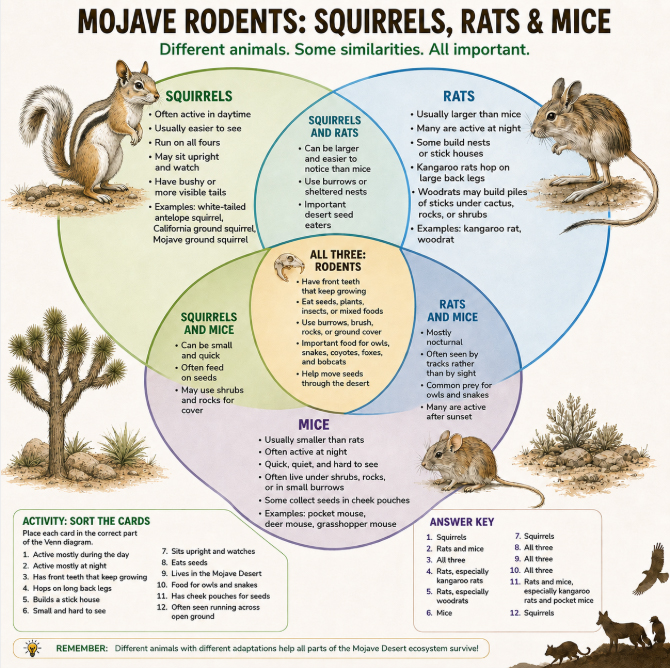
The Mojave Desert is home to many small rodents, including squirrels, rats, and mice. At first glance, they may seem alike, but each group has its own habits and place in the desert.
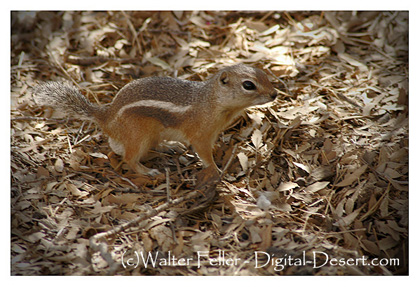
Squirrels are often the easiest to see because many are active during the day. White-tailed antelope squirrels, California ground squirrels, and Mojave ground squirrels may be seen running across open ground, sitting upright, or watching from near a burrow. Their alert behavior helps them survive in a land of hawks, snakes, coyotes, and foxes.
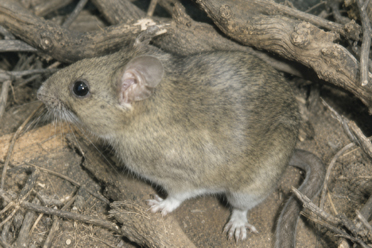
Rats and mice are more often active at night. Kangaroo rats are well-adapted to desert life, with long hind legs for hopping and cheek pouches for carrying seeds. Woodrats may build large stick nests under cactus, shrubs, or rocks. Mice are usually smaller, quicker, and harder to notice. Pocket mice, deer mice, and grasshopper mice often stay hidden in burrows, brush, or rocky cover.
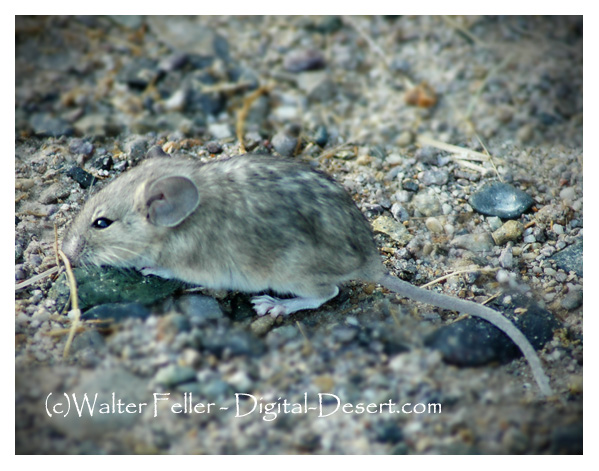
All of these animals are rodents. They have front teeth that keep growing, and many feed on seeds, plants, insects, or a mix of foods. Though small, they are an important part of the Mojave ecosystem. They move seeds, loosen soil, and provide food for owls, snakes, bobcats, kit foxes, and other desert predators.
Squirrels are the daytime watchers. Kangaroo rats are the night jumpers. Mice are the hidden seed gatherers. Together, they help keep the desert alive.