Bodie’s Notoriety

Timeline of major violent events and notorious moments in Bodie, California’s wild history — a town so lawless it earned a reputation as one of the roughest mining camps in the West:
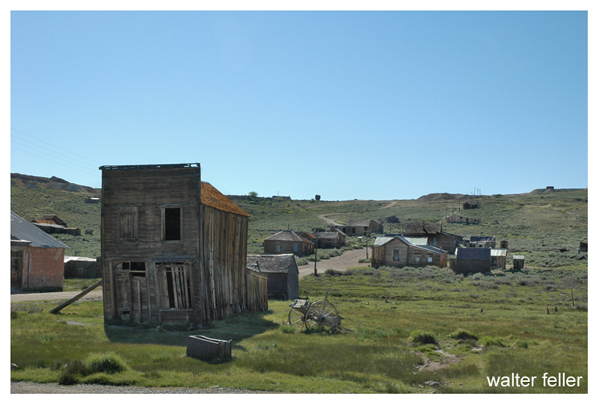
1876 – Bodie’s Boom Begins
The Standard Mine strikes gold. Prospectors flood in, and Bodie transforms from a quiet camp into a booming town — and with it comes gambling, saloons, opium dens, and gunslingers.

1879 – Peak Population, Peak Violence
Bodie hits its peak with around 7,000–10,000 residents. That year alone, it’s said there were 30+ murders, many tied to gambling disputes and drunken shootouts. The phrase “Bad Man from Bodie” enters widespread use.

1879 – Tom Treanor Kills a Man in a Saloon
After a heated argument during a card game, Treanor guns down another miner in a crowded bar. He was arrested but later released after a murky trial. The town shrugs it off — just another night in Bodie.
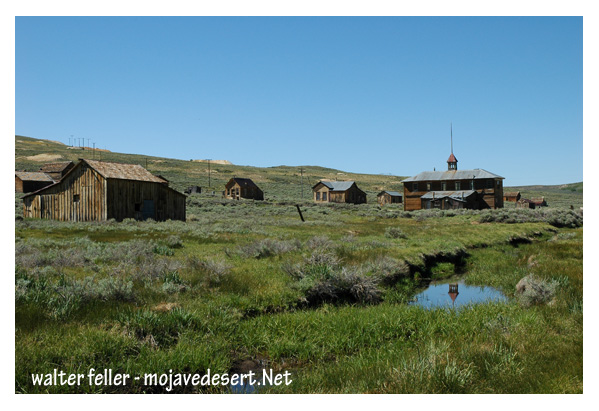
1880 – Gunfight on Main Street
A broad daylight gunfight erupts between rival gamblers. Two men are killed, and several bystanders are wounded. This kind of event is common enough that locals don’t even bother locking their doors — they’re used to chaos.

1881 – James Stuart Lynched by a Mob
Caught robbing a stagecoach, Stuart is jailed in Bodie. That night, a group of vigilantes breaks in and hangs him from a telegraph pole. His body dangled for hours — a message to other would-be criminals.

1882 – Red Irwin Walks Free After Killing a Man
“Red” Irwin shoots another gambler in the back during a dispute. Witnesses testify, but the case is dismissed on a technicality. Irwin boasts about it in saloons afterward, reinforcing Bodie’s anything-goes culture.
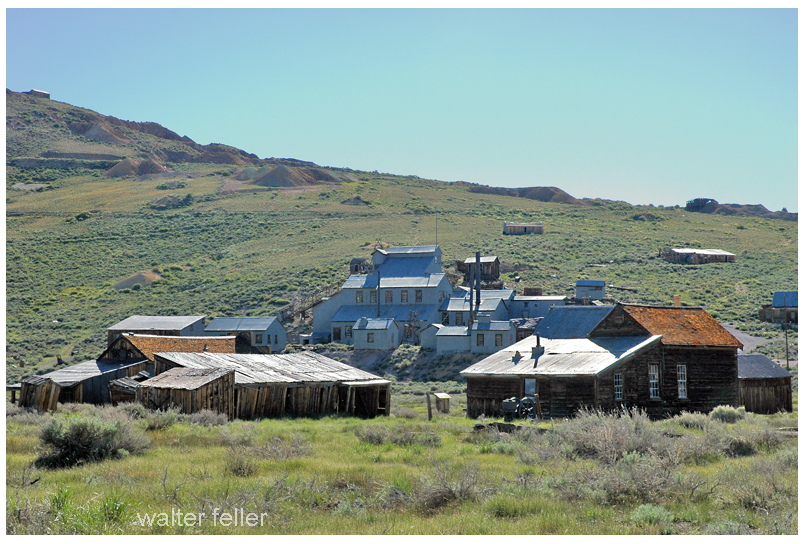
1883 – Deputy Sheriff Shot in Line of Duty
Deputy John Kelly is killed while trying to break up a bar fight. His murder is never solved. By this point, even lawmen hesitate to enforce order in Bodie.

1884 – Town Begins to Decline
Mines starts to dry up. Many “bad men” drift elsewhere. But Bodie’s violent legend is cemented, passed down through newspapers, dime novels, and the stories of old-timers.

Ghost Towns & Gold Mines

Ghost Towns, Sites, and Gold and Silver Mines in the Mojave Desert

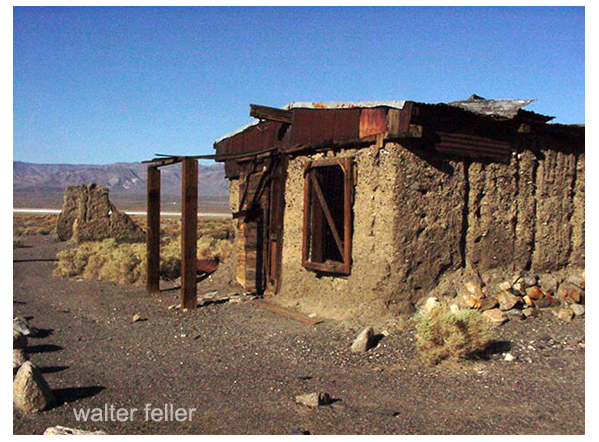
Ballarat, CA.

The Mojave Desert is known for its rich history of mining and the presence of ghost towns and abandoned mines. Here are some notable ghost towns, sites, and gold and silver mines in the Mojave Desert:

  1. Calico Ghost Town: Located near Barstow, California, Calico is one of the most famous ghost towns in the Mojave Desert. It was a thriving silver mining town in the late 1800s but became abandoned when the silver market declined. Today, it’s a well-preserved tourist attraction.
  2. Rhyolite, Nevada: Rhyolite was once a booming gold mining town in the early 1900s. It had over 5,000 people but was quickly abandoned when the mines played out. You can visit the remains of the town and see the famous “Bottle House” made of glass bottles.
  3. Goldfield, Nevada: Goldfield was another prosperous gold mining town in Nevada. It had a peak population of around 20,000 people in the early 1900s. The Goldfield Hotel and several historic buildings still stand today.
  4. Panamint City, California: This remote ghost town in Death Valley National Park was a silver mining town in the late 1800s. It’s accessible via a challenging hike and offers stunning views of the surrounding desert.
  5. Cerro Gordo, California: Cerro Gordo is an old silver mining town still privately owned. It’s located in the Inyo Mountains and has a well-preserved ghost town, including a general store, bunkhouse, and other structures.
  6. Mines in the Mojave Desert: The Mojave Desert is home to numerous gold and silver mines, many of which are abandoned. These mines contributed to the region’s mining history. Some notable mines include the Tonopah-Belmont Mine, the Desert Queen Mine, and the Goldstone Mine.

Remember that exploring abandoned mines can be dangerous due to unstable structures and the presence of toxic gases. It’s essential to exercise caution and, if needed, seek permission or guidance from local authorities or landowners when visiting these sites. Additionally, some ghost towns and mines may be on private property, so be respectful of any access restrictions.