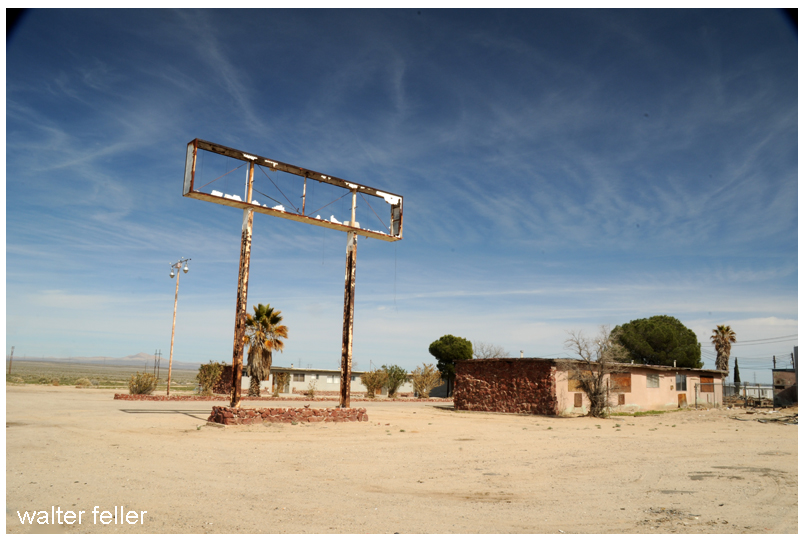
Desert Crossroads Kramer and Kramer Junction don’t look grand today, but these little nooks in the Mojave Desert have a rich and grand history replete with grand aspirations, tiring battles, and a whole lot of determination. Mining booms, railroads, and highways have scripted the life of the desert, and these little nooks have seen them all through.
How It All Started
The Southern Pacific Railroad in 1882 named Kramer in honor of German immigrant Moritz Kramer, who had settled in the area a little a few years earlier. Initially, Kramer was a single siding with nothing happening. All changed in 1884, when copper was discovered in the vicinity, and then, in 1884, gold was discovered by J.R. Maxey.
Prospectors flocked to the area in the hope of striking it rich, and in late 1884, the Kramer Mining District was formally organized. Miners in the mining camp lived a rough life. There were no hotels or permanent buildings, and visitors were instructed to bring a blanket. Thankfully, soon, the thrill wore off.
High shipping costs and a scarcity of water saw mining become too arduous, and most miners scattered in 1885, taking most of them with them.
The Mining Boom in Kramer Hills
A mere four miles southeast of Kramer Junction stands the Kramer Hills, and it saw its mining boom, too. In 1926, two Herkelrath brothers, Ed and John, discovered gold, and a mining boom of epic dimensions defined the region ever since. A small mining settlement grew with a store, a library, and several hundred mining claims. Everyone flocked to try their luck. But just as then, realities of the desert won out. The gold was of poor grade, and water remained in short supply. By 1931, the boom collapsed, and the village lay dormant.
Today, quiet sits over the Kramer Hills, but they recall a time when humans hoped for gold’s promise. Kramer Junction: Where Highways Cross Kramer Junction, also known as “Four Corners,” sits at the crowded intersection of U.S. Route 395 and Route 58. It became a stop for travelers and for trucks rumbling through the desert. Roadside restaurants, service stops, and shops popped up to serve through-trekkers. There was even a Beecher-operated restaurant and a dream of having the site renamed “Beecher’s Corner,” but in 1960, city leaders chose to stick with “Kramer Junction.” Though most pass through, Kramer Junction serves as a gateway to larger destinations. North will take you to Ridgecrest and Bishop. South will take through Victorville and down Cajon Pass. To head west, go to Boron, Mojave, and Tehachapi; to the east, to Barstow and beyond.
From a Stormy History to a Role Today
Kramer Junction has, over the years, become safer and easier for visitors to access. In 2020, a new development along an expressway smoothed traffic and enhanced security. This highway system is a major route for shipping goods through California and across the country. It’s a big one for Central Valley farms, producing a big portion of America’s produce.
A Spot with a History
Kramer and Kramer Junction don’t look like much today, but they’ve seen gold rushes, railroad expansion, and the construction of high-speed highways. What transpired in these locations is a history of people arriving in the desert with big dreams and working tirelessly to carve out something from nothing. Today, these places remind us that even in the most subdued corners, there can be incredible tales that alter the world around them. Next time driving through, don’t forget to pay your respects to the people who inhabited this dusty crossroads at one point in time.