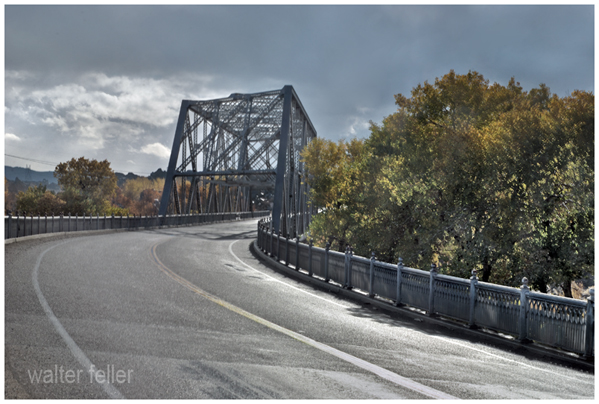
The Mojave Desert can appear vast and open, yet movement across it has never been random. For thousands of years, travelers—whether on foot, horseback, wagon, train, or automobile—have followed a few geographic pathways. These pathways exist because the desert landscape constrains movement. Mountains must be crossed through passes, rivers must be crossed where bridges or fords are possible, and long desert basins must be traversed along routes where grades are manageable and water is available. The result is a transportation system organized around a limited number of natural gateways.
In the Mojave region, these gateways serve as control points for travel. Cajon Pass provides the principal crossing between the Los Angeles Basin and the Mojave Desert. Tehachapi Pass links the desert with California’s Central Valley. The Colorado River crossing near Needles and Topock serves as the primary gateway between California and Arizona. Junctions such as Mojave and Barstow exist where multiple corridors meet, while places like Daggett serve as hinge points connecting Southern California with Southern Nevada.
Other gateways reflect local geographic realities. The Mojave River corridor offers a rare linear water route through the desert, influencing both early travel and later settlement. The eastern Mojave basin corridor—stretching through Cadiz and Fenner—provides a broad, relatively level path across the desert interior. In the north, Owens Valley forms a long north–south corridor along the eastern flank of the Sierra Nevada. Mining districts around Death Valley created additional gateways where mineral railroads connected isolated basins to the main transportation network.
Across time, different transportation technologies reused these same pathways. Indigenous trails first established practical routes between water sources and passes. Wagon roads and stage routes later formalized these corridors. Railroads engineered permanent alignments through the same gateways, concentrating activity at junction towns such as Mojave, Barstow, and Needles. In the twentieth century, highways often paralleled these earlier routes, following the same geographic logic through the desert.
Understanding these gateways helps explain why towns, rail yards, and highways appear where they do. They are not accidental settlements but the result of long-standing corridors shaped by geography. Once these gateways are recognized, the transportation history of the Mojave Desert becomes easier to interpret: most routes are simply different eras of travel passing through the same landscape constraints.