Outpost Cafe

Vintage postcard
The Outpost Cafe began in 1929 as a simple roadside stop, part gas station and part six seat diner, set along the old Route 66 and Highway 395 corridor. In those days, the long pull between Los Angeles and Las Vegas was a different kind of trip, and a place like this could make the difference between pushing on or turning back. Coffee, fuel, and a hot meal were what travelers needed, and that is exactly what the Outpost offered.
Through the 1940s and 50s, the little cafe became a familiar stop for truck drivers, servicemen from the local bases, and anyone crossing the Mojave. It built its following the old way, serving simple food without fuss and keeping the doors open for folks at all hours. By 1961 the new freeway was coming through, and the owners moved a short distance west to stay in the line of travel. The new site in Oak Hills kept the same spirit and much the same menu.

In the 70s and 80s, the place added a bit of roadside fun with a themed wedding chapel. Big signs promised quick ceremonies with no waiting. Young couples headed for Nevada sometimes stopped in, and once in a while a trucker would get married before rolling on to the next load. It was a different time, and travelers liked a little color along the highway.
The chapel disappeared in the 1990s, but the cafe kept right on with its steady trade. Today the Outpost Cafe still serves generous plates in the same friendly style it always has, a reminder of the days when a road trip meant finding a place with its own character rather than one more chain name along the interstate.
Timeline

1929 – The original Outpost opened as a combination gas station and six-seat diner along the old U.S. Route 66/Highway 395 corridor. It was a stop for motorists traveling between Los Angeles and Las Vegas long before the interstate existed.
1940s–1950s – The café gained a steady clientele of truckers, servicemen from nearby military installations, and desert travelers. It became known for hearty, simple meals served quickly.
1961 – When Interstate 15 was constructed, the business moved slightly west to its present site at 8685 U.S. 395 in Oak Hills. This relocation kept it in the path of north–south travelers while adapting to the new freeway era.
1970s–1980s – The Outpost added a themed “Wedding Chapel” next to the restaurant, capitalizing on the Las Vegas marriage trade. Roadside signs promised quick weddings—sometimes marketed as “No Waiting.” It attracted curious travelers, young couples on their way to Nevada, and even a few spontaneous ceremonies for truck drivers.
1990s – The chapel faded from use and was eventually removed. The café, however, remained a constant roadside landmark.
2000s–Present – The Outpost Café still operates as a family-friendly, old-school diner, drawing regulars and travelers for generous portions and the nostalgia of pre-chain-restaurant road culture. Its reputation as a “truck stop with character” has made it a fixture for decades.
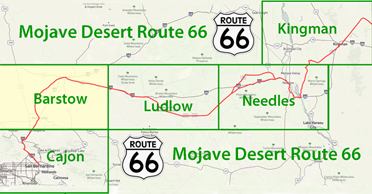
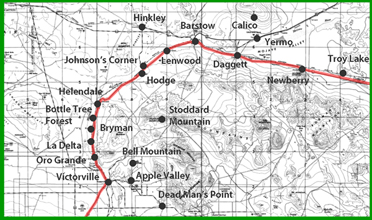
Route 66
15 Freeway
U.S. 395
U.S. 91
National Old Trails Road
Hesperia, CA.

Wedding Chapel - Donna May Butikofer
