-.-
Harper Lake
HARPER LAKE
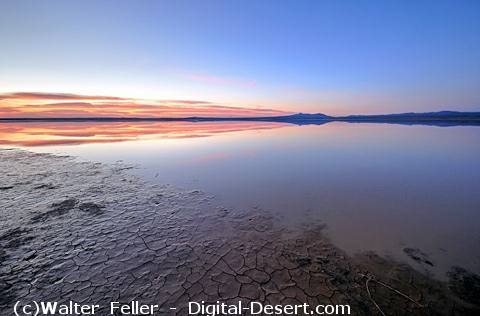
Harper Lake is the most upstream major lake basin within the ancestral Mojave River system and is possibly the oldest lake in the network, appearing about 0.5 million years ago during the mid Pleistocene.GEOGRAPHIC SETTING
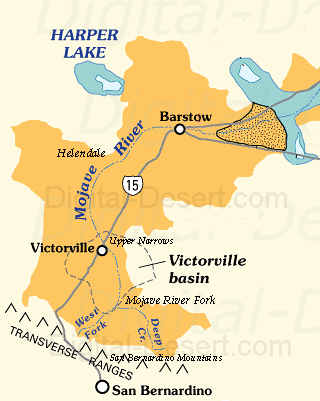
Harper Lake lies within the upper Mojave River basin, downstream of the San Bernardino Mountain headwaters and upstream of the larger Lake Manix basin. Its position marks an early stage of basin storage within the river system.HYDROLOGIC RELATIONSHIPS
Harper Lake likely received water from the Mojave River during periods of sustained flow, acting as an early collecting basin for runoff moving out of the Victorville Basin. During wetter climatic intervals, it may have functioned as part of a connected chain of lakes extending downstream toward Lake Manix.Geologic evidence suggests that Harper Lake and Lake Manix may have coexisted at various times, indicating that multiple basins in the Mojave River system could hold water simultaneously under favorable conditions.
ALTERNATE THEORIES
Some early theories proposed that Harper Lake may have been supplied by overflow from an ancestral Lake Thompson in the Antelope Valley to the west. However, no conclusive evidence has been found to support this connection.SIGNIFICANCE
Harper Lake is important for understanding the early development of the Mojave River system. Its upstream position and age suggest that it played a foundational role in establishing the pattern of internally drained basins that characterize the Mojave Desert.< Previous <> Next >