Bill Williams River
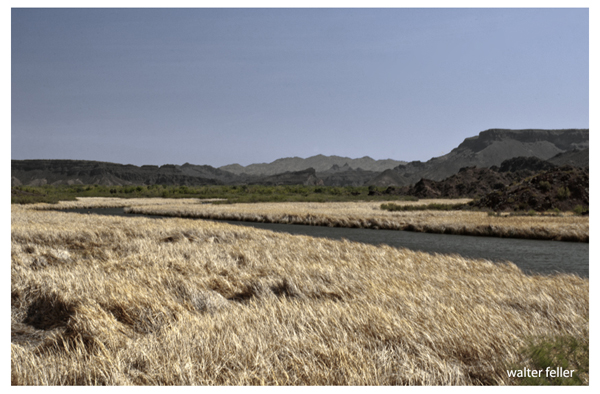
Situated in central-western Arizona along the Lower Colorado River, the Bill Williams River National Wildlife Refuge offers a glimpse into what this landscape looked like hundreds of years ago. Today the refuge holds one of the last stands of naturally regenerated cottonwood-willow forest along the Lower Colorado River and is one of the last ecologically functioning river habitats in the southwest United States. In 1993, 6,100 acres of the Havasu Lake National Wildlife Refuge was designated as Bill Williams River National Wildlife Refuge due to its uniqueness and diversity of habitat.
https://www.fws.gov/refuge/bill-williams-river/
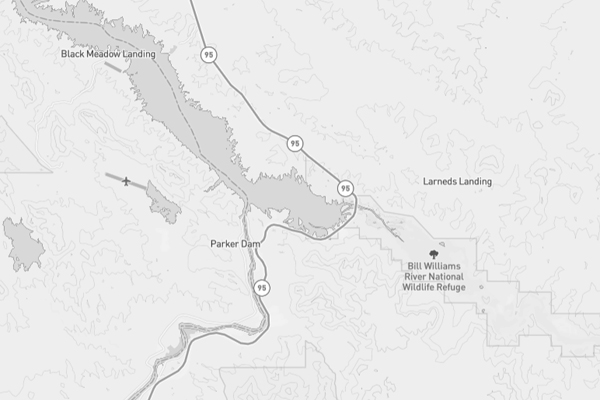
Bill Williams
The Bill Williams River in Arizona is an under-appreciated component with its handsome desert landscapes, lending almost an oasis-like effect to the dry country. It courses for about 46 miles, being born at the junction of the Big Sandy and Santa Maria Rivers before emptying into the Colorado River near Lake Havasu. It was named after the colorful mountain man and explorer Bill Williams, who roamed the area in the early 1800s.It is highlighted by one of the featuring features, which is Bill Williams River National Wildlife Refuge, protecting the last ten miles of the river. This refuge is a rare riparian desert supporting an extraordinary abundance and diversity of plants and animals, ranging from cottonwood to willow trees, and birds ranging from bald eagles to southwestern willow flycatchers. This outdoor enthusiast's haven boasts birding, kayaking, and hiking experiences with the dramatic contrasts of the lush riverbanks against the rocky desert. The water levels change with seasonal rains and releases from Alamo Dam, which help to control flooding and preserve the natural oasis.