Kawaiisu and Tomo-Kahni
The Kawaiisu were a Native people of Shoshonean lineage, speaking a Southern Numic language within the Uto-Aztecan family. For roughly two to three thousand years, they lived in the Tehachapi region of California. Their way of life followed a seasonal pattern, moving between mountains, valleys, and desert areas to gather food and materials.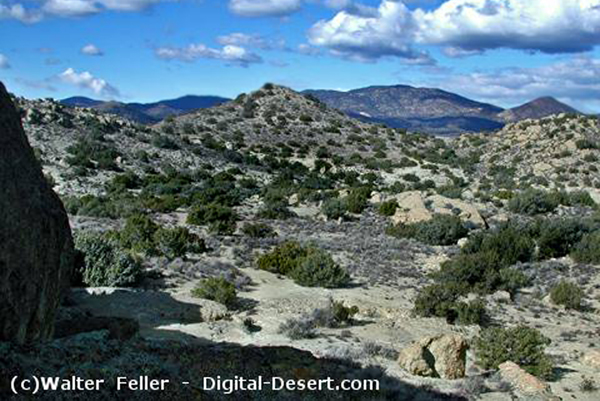
Tomo-Kahni, meaning "winter village," was a central seasonal settlement used during the colder months. It is located in the Tehachapi Mountains in a broad, rocky meadow at over 4,000 feet elevation. The site was carefully chosen. It offers protection from wind while allowing clear views of the surrounding canyon, making it easier to observe anyone approaching.
Evidence shows the village was occupied for a long time and supported a sizable population. Features found at the site include:
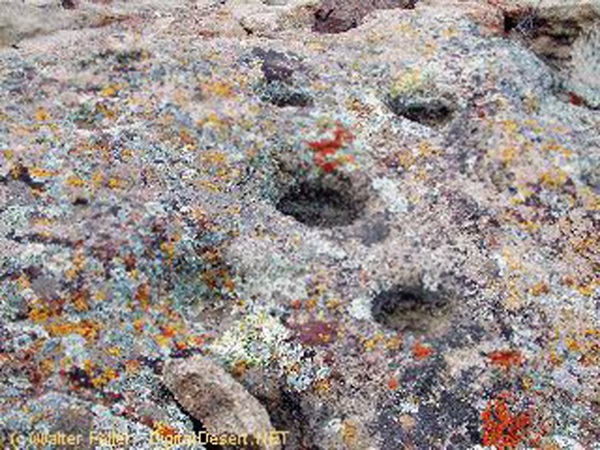
Bedrock mortars used for grinding seeds and plant foods
Sharpening stones used for tools such as awls for basket-making
Stone rings marking sweathouses near water sources
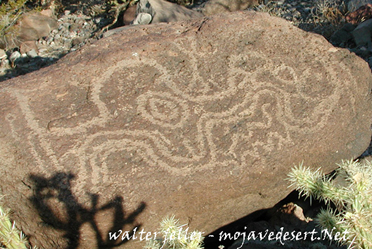
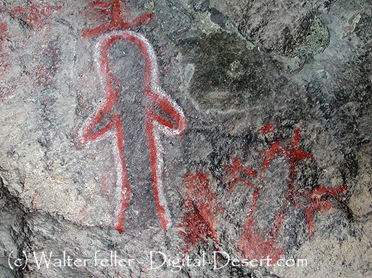
Rock shelters and ceremonial caves
Juniper trees growing from old campfire sites
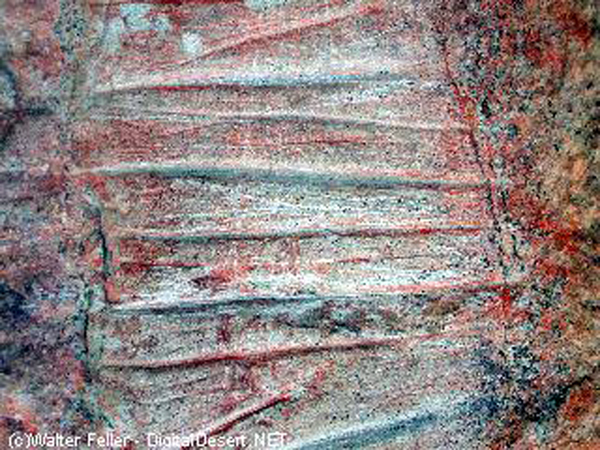
These remains indicate an organized and repeatedly used settlement rather than a temporary camp.
Social and Daily Life
Kawaiisu society was based on small family groups, but people gathered at certain times of year for ceremonies and social events. They were hunter-gatherers, relying on a wide range of natural resources.Children learned practical skills early. Girls were trained to gather and prepare plant foods and to make baskets. Boys learned hunting, toolmaking, and how to produce cordage. Play was often tied to learning, helping children develop the skills they would need as adults.
Basketry was one of the most important crafts. Kawaiisu baskets were tightly woven, detailed, and often colorful, serving both practical and ceremonial purposes.
Winter Activities
During winter, families stayed at places like Tomo-Kahni. Life focused on preparation, maintenance, and teaching. Activities included:Knapping stone tools from chert and obsidian
Straightening arrow shafts and preparing hunting equipment
Weaving baskets and making cordage
Playing games and telling stories
Elders played a key role in passing down knowledge. Lessons emphasized respect for people, land, plants, and animals.
Cultural Practices
Certain times of year brought larger gatherings. Spring was especially important for meeting people from other groups and arranging marriages. Births and deaths were also marked by extended gatherings that included feasting and dancing. Games were part of daily life. Adults played dice games, while children played games such as hide and seek. These activities helped strengthen both skills and social bonds.Preservation and Access
Today, Tomo-Kahni is protected as a state historic park. Because it is a sensitive archaeological site, access is limited to guided tours with advance reservations. Visitors meet at the Tehachapi Museum and then travel to the site as a group.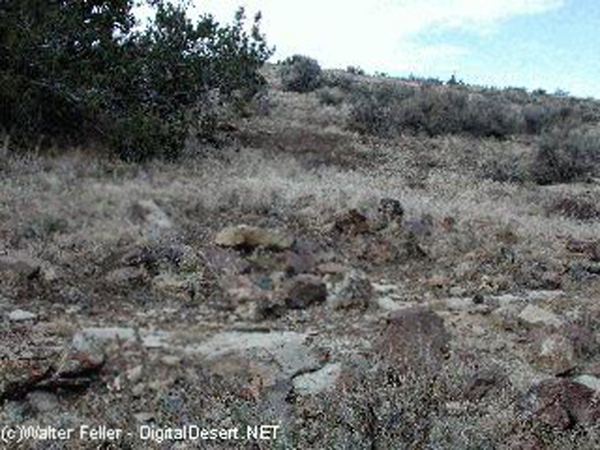
Kawaiisu Indians
juniper trees
Ecosubsections
Tehachapi - Piute Mountains
... characterized by steep mountains. Many ridges are slightly elongated with many different orientations, but those in the Piute Mountains are generally aligned near north-south and those in the Tehachapi Mountains are generally ...Eastern Slopes
... characterized by very steep fault-line scarp and steep mountains. Slopes are gently sloping to moderately steep on Quaternary volcanic rocks, which are not extensive, and ...Community