Chloride Arizona
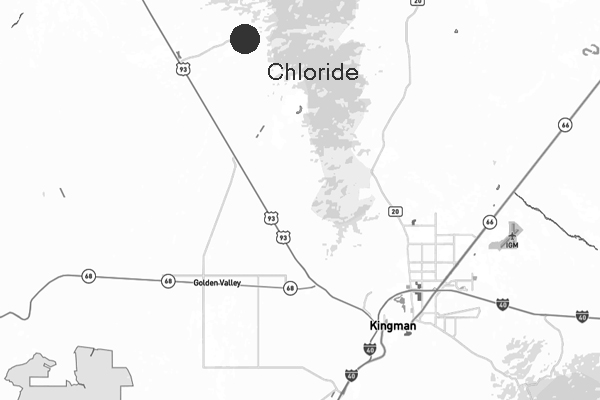
Photographed 2013Chloride is a historic mining community in the Cerbat Mountains of northwestern Arizona. Prospectors explored the region for silver, gold, lead, zinc, and other minerals during the nineteenth century, and the mining camp that became
Chloride developed during the 1860s. Mining activity increased during the 1870s as prospectors and mining companies began working the mineral-rich mountains surrounding the settlement.
A post office was established at Chloride on March 27, 1873. It closed in 1875 but was reestablished in 1893 during a revival of mining activity. As the camp developed, stores, saloons, a blacksmith, and other businesses served miners working throughout the Chloride mining district.
Transportation improved dramatically near the end of the nineteenth century with construction of the Arizona and Utah Railway from the main railroad near Kingman to Chloride. The new line was inaugurated in August 1899, when May Krider is traditionally credited with driving a ceremonial silver spike. The railroad provided an important route for shipping ore and bringing machinery, supplies, and passengers into the district.
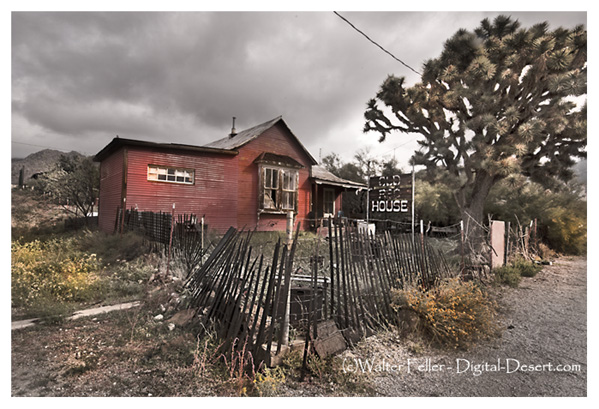
The Mining Boom
Chloride entered its principal period of prosperity around the turn of the twentieth century. Historical accounts give widely varying estimates of the community's population, sometimes claiming several thousand residents in the town and surrounding mining district. The 1900 federal census, however, enumerated 367 residents in Chloride itself. The difference probably reflects the transient nature of mining populations and the inclusion of workers living at mines and camps scattered throughout the surrounding district in some historical estimates.At its height, Chloride supported numerous mines as well as stores, lodging houses, restaurants, saloons, and other businesses typical of a prosperous western mining community.
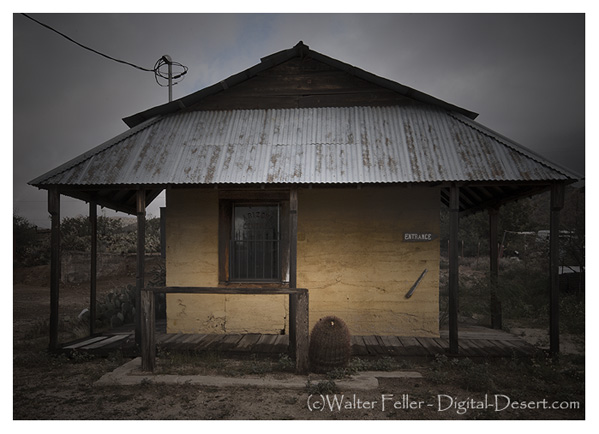
Mining continued through repeated cycles of prosperity and decline during the early twentieth century. Gold, silver, lead, zinc, and other ores were produced from mines throughout the Cerbat Mountains, but changing ore prices, transportation costs, and the exhaustion of profitable deposits gradually reduced activity.
Author Louis L'Amour spent time in Chloride during his wandering years in the late 1920s. Accounts of his life associate him with a destructive fire in the community, during which he reportedly joined residents in a bucket brigade. The episode is best regarded as part of the biographical tradition surrounding L'Amour rather than as a precisely documented event in Chloride's municipal history.
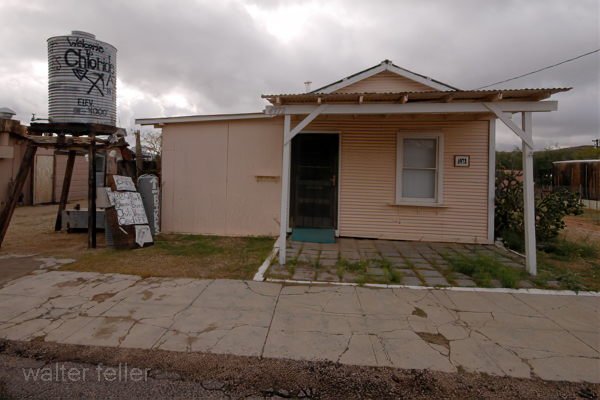
By the middle of the twentieth century, Chloride's population had declined dramatically. Unlike many mining camps of the region, however, the town never disappeared completely. The 1960 federal census counted 135 residents, and a small community has continued to occupy the historic townsite.
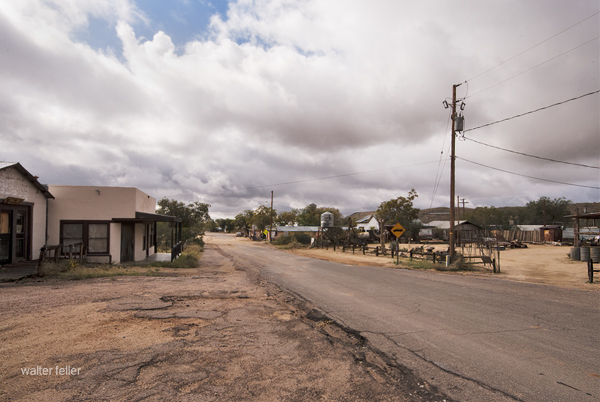
Today, remnants of Chloride's mining past can still be seen among its old buildings, mine workings, machinery, and scattered artifacts. Near the western edge of town is the historic Chloride Cemetery.
image
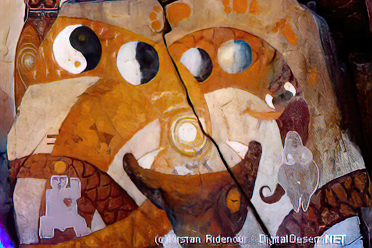
Chloride Murals
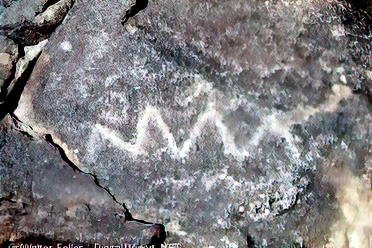
Cerbat Petroglyphs
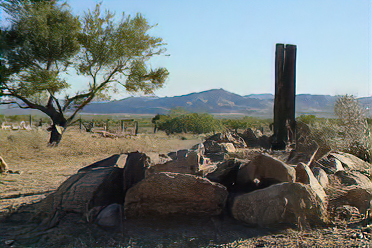
Chloride Cemetery
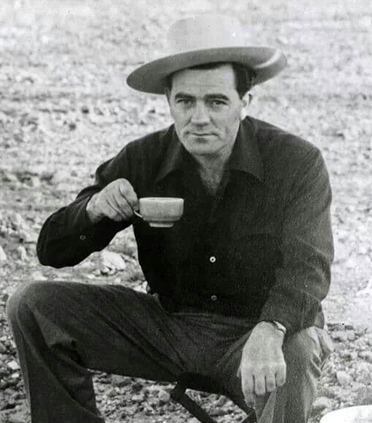
Louis L'Amour
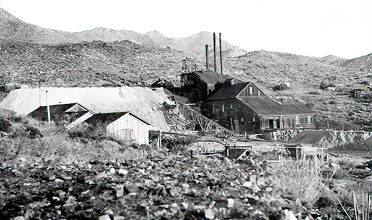
Tennesee Mine & Mill - 1906
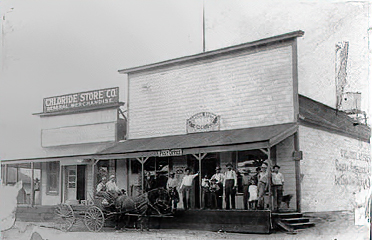
Tennesee & 2nd. - 1910
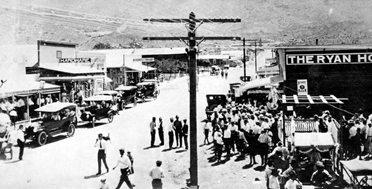
Tennesee Ave. - 1916